

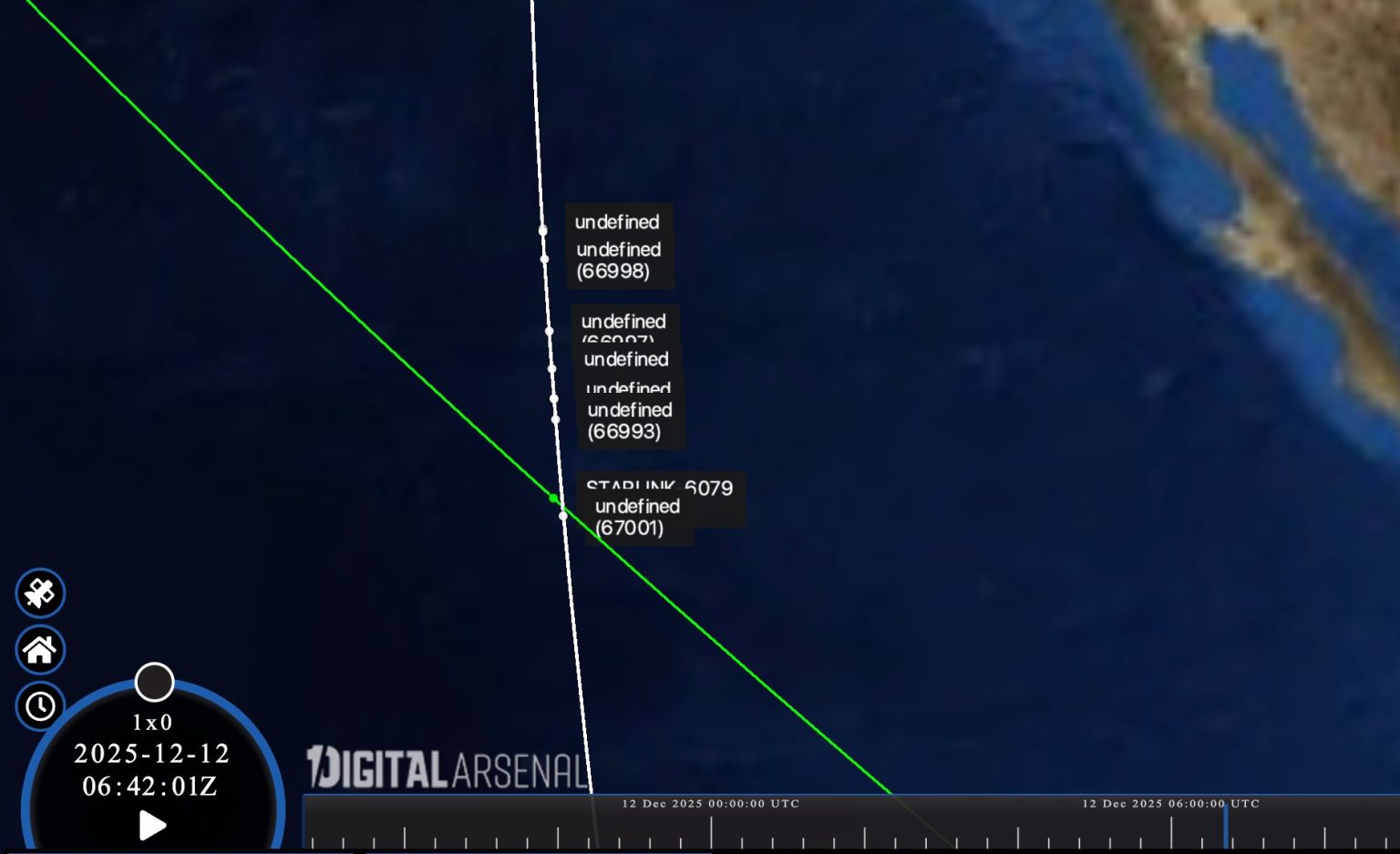
Low Earth orbit already resembles a traffic jam during rush hour. The number of launches is growing, and the risk of collisions is increasing along with them. This became evident after a recent dangerous encounter. On December 9, China launched a Kuaizhou-1A rocket carrying nine satellites. One of them came within 200 meters of a Starlink satellite.
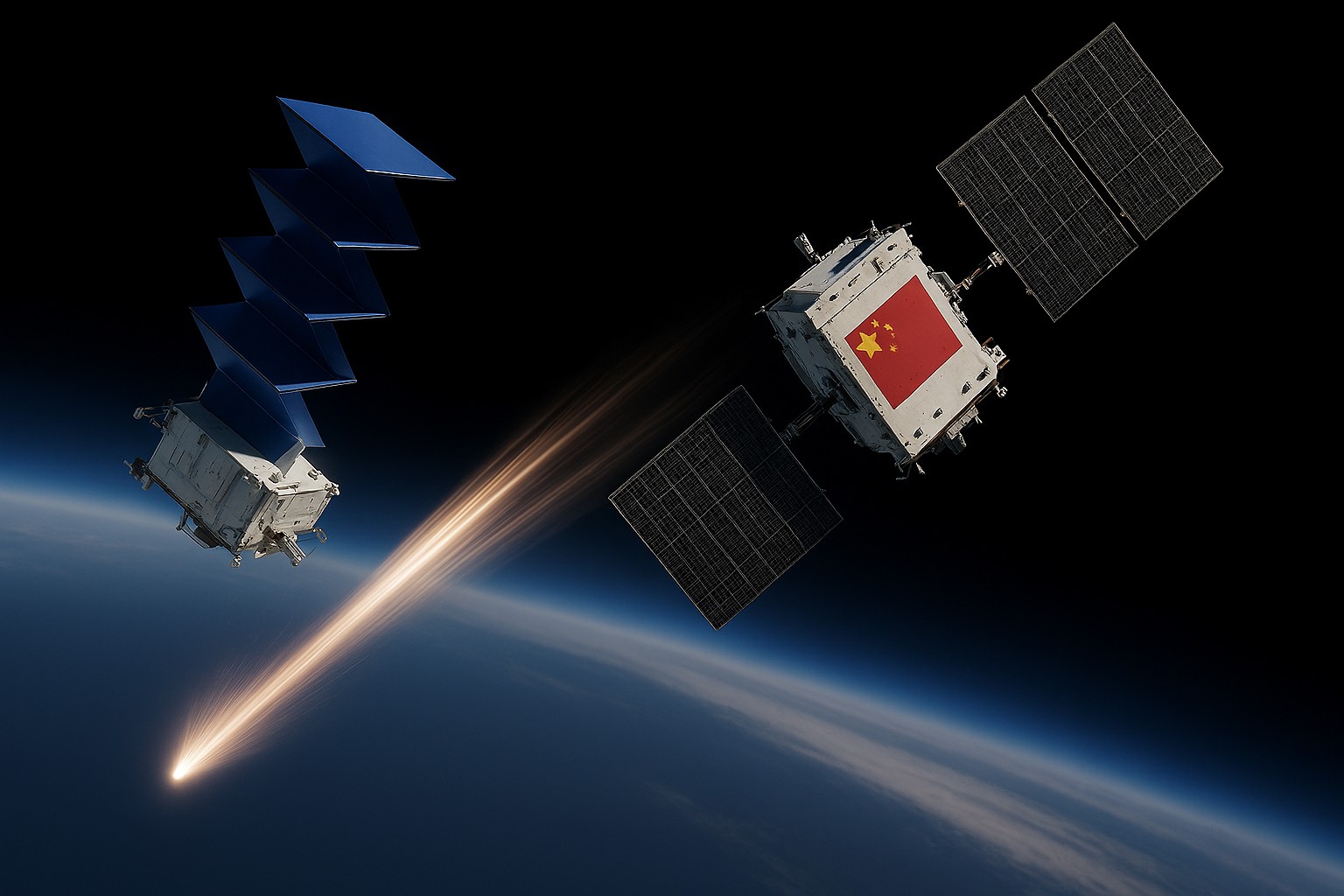
Starlink Vice President of Engineering Michael Nicolls said that the team did not receive accurate data on the trajectory of the Chinese satellite to avoid a collision. He emphasized that the greatest danger was the lack of coordination between operators.
On the other hand, Chinese company CAS Space, the launch operator, assured that it used a collision avoidance monitoring system and was in contact with SpaceX. They suggested that the incident could have been caused by the satellite’s maneuver after separation.
If confirmed, this incident occurred nearly 48 hours after payload separation, by which time the launch mission had long concluded. CAS Space will coordinate with satellite operators to proceed. This calls for re-establishing collaborations between the two New Space ecosystems. https://t.co/bsuFLeguxo
— CAS Space (@cas_space) December 13, 2025
Whoever is to blame, the problem is systemic. More than 9,300 Starlink satellites already make up the majority of active spacecraft in orbit. According to Space, in 2024, each satellite in the network will perform nearly 300 evasive maneuvers daily—twice as many as in 2023.
SpaceX and other companies have even more ambitious plans. In 2026, Starship is expected to deploy third-generation satellites. Amazon and Viasat are also preparing their networks.
The specter of Kessler syndrome
Experts are concerned about the Kessler syndrome scenario—a cascade of collisions between objects that could permanently block access to space. To avoid this, two things need to be done: improving collision avoidance systems and, more importantly, establishing transparent international data sharing.
As the political advisor noted, recent incidents have made it clear that if operators do not begin to communicate effectively, the next “close encounter” could end in disaster. The future of space infrastructure depends on cooperation on Earth.
Earlier, we reported on how space debris was blamed for a plane crash.
According to Gizmodo

