

Astronomers have discovered the 40,000th near-Earth asteroid. This was reported in a statement published on the website of the European Space Agency (ESA).
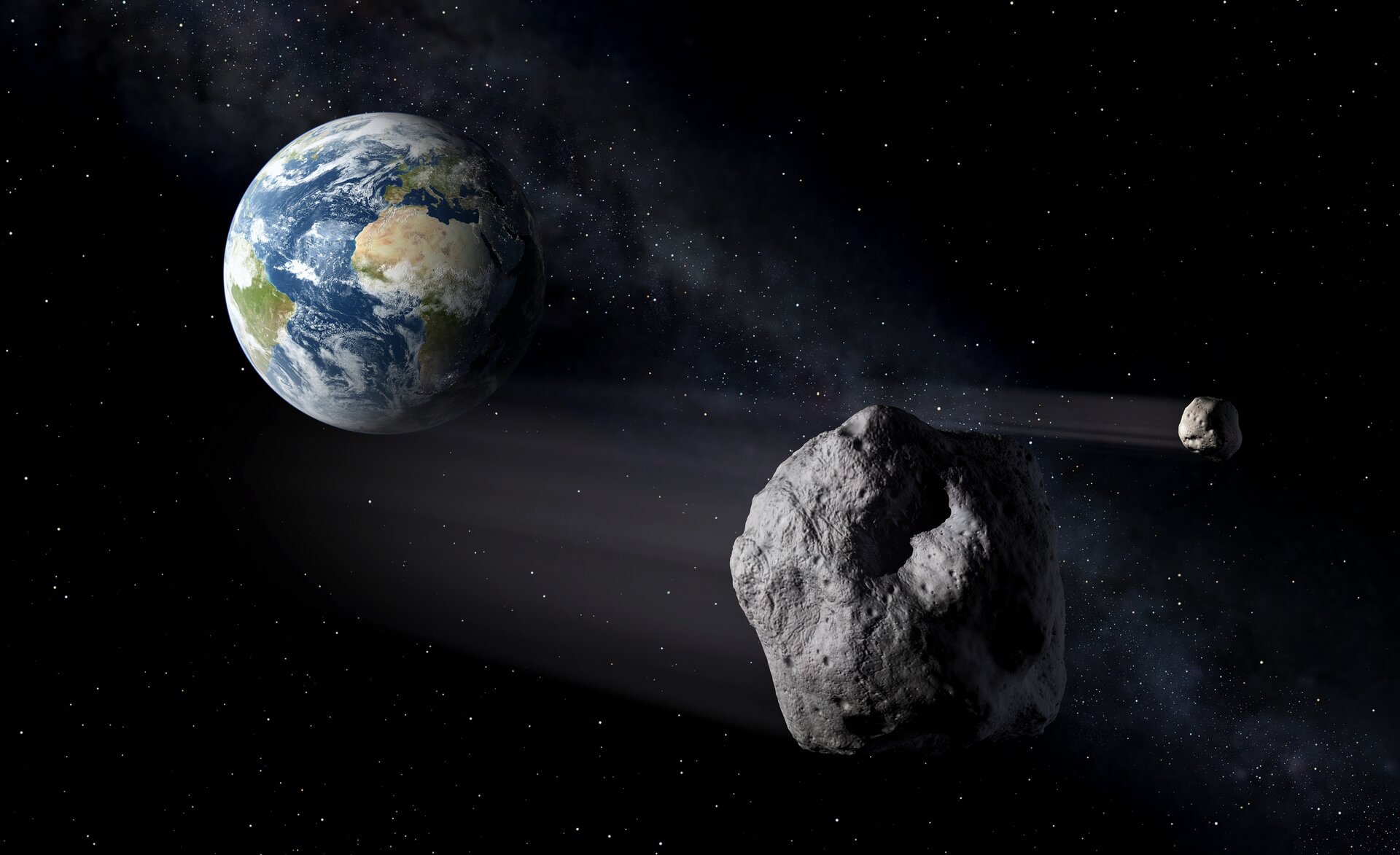
Asteroids are “construction debris” left over from the formation of the Solar System 4.5 billion years ago. The vast majority of them are located in the Main Belt between the orbits of Mars and Jupiter. But there are other groups of asteroids. Those that come within 45 million km of Earth are classified as near-Earth asteroids.
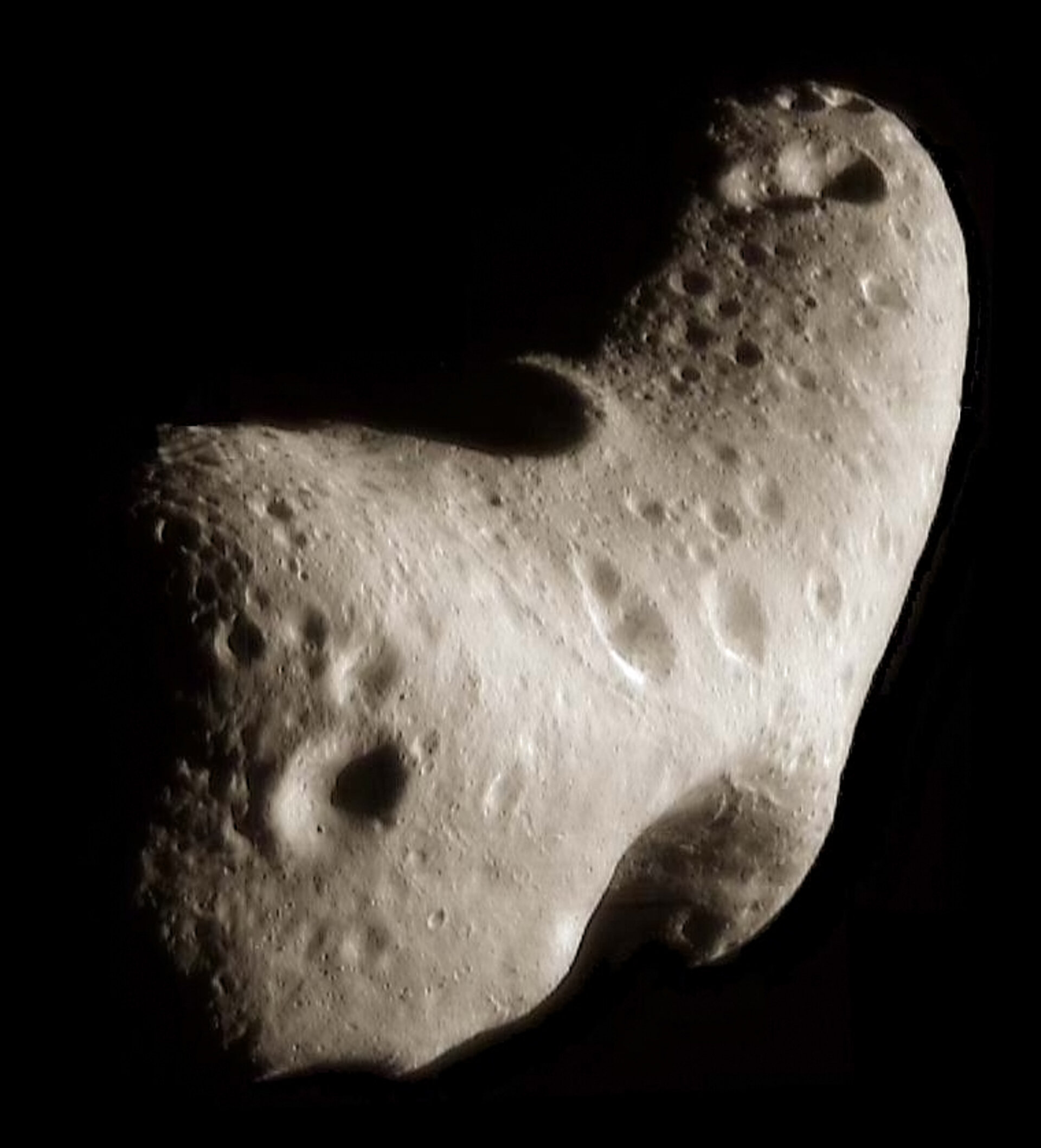
The first near-Earth asteroid, Eros, was discovered in 1898. For decades, discoveries were slow, until the 1990s and 2000s, when special survey telescopes began to find hundreds of such objects every year. By November 2025, the total number of identified near-Earth asteroids exceeded 40,000, with about 10,000 of them discovered in the last three years.
And this pace will only increase. The Vera Rubin Observatory, which began operating this year, although not designed exclusively for asteroid research, will discover tens of thousands of new near-Earth objects.
The main issue associated with near-Earth asteroids is their potential danger. According to astronomers’ estimates, nearly 2,000 such objects have a non-zero probability of colliding with Earth over the next hundred years. However, most of them are very small, pose no significant threat, and the probability of collision is usually much less than one percent.
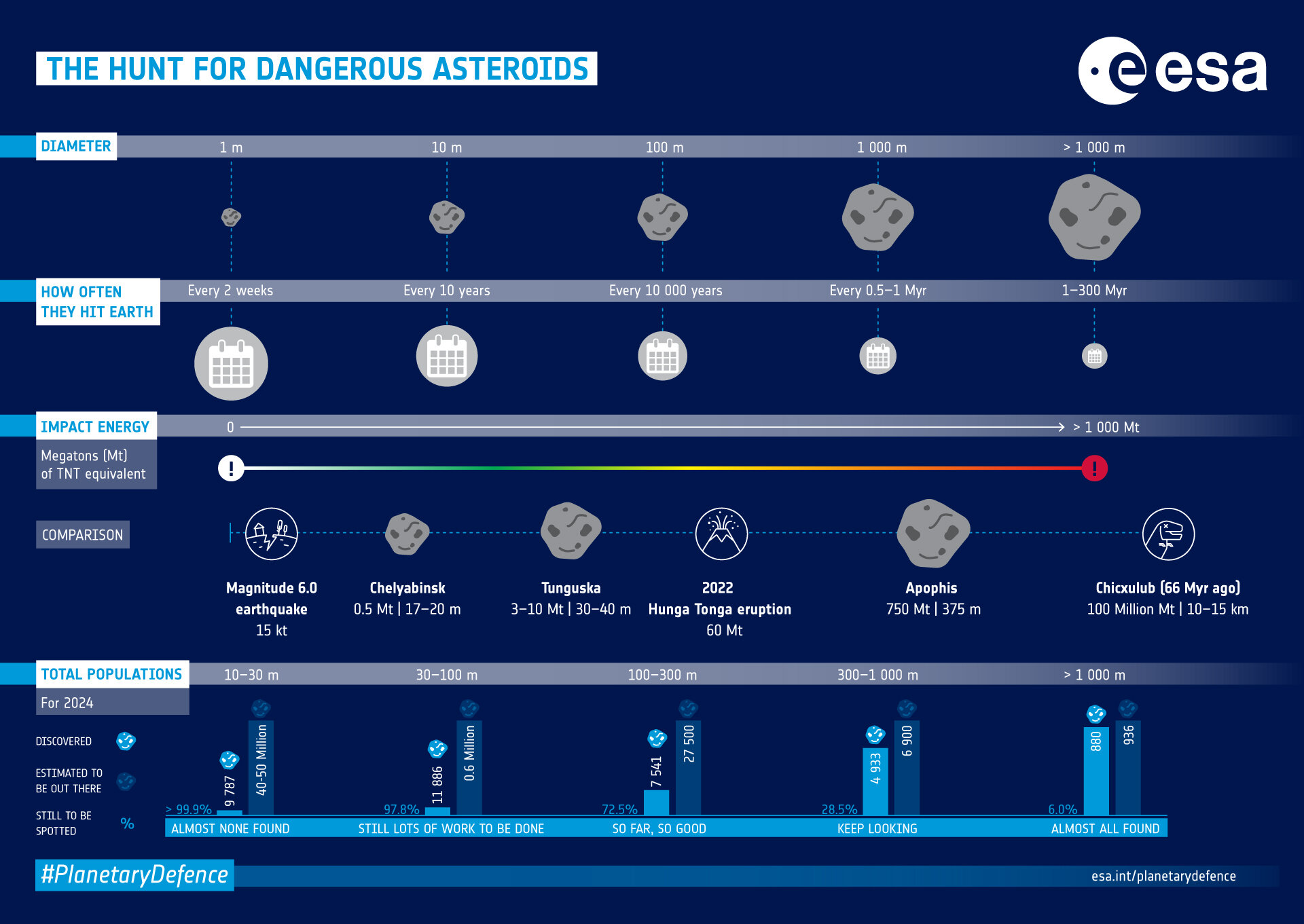
It is important to note that the largest near-Earth asteroids (those with a diameter greater than one kilometer) are also the easiest to find. These objects could have global consequences if they collided with Earth, but the scientific community is confident that the vast majority of them have already been discovered.
Today, the main focus is on finding and tracking medium-sized asteroids, ranging from 100 to 300 meters in width. These are much more difficult to find, and if they collide with our planet, they could cause serious regional damage. Astronomers still have a lot of work to do, as current estimates suggest that they have only discovered about 30% of such objects.
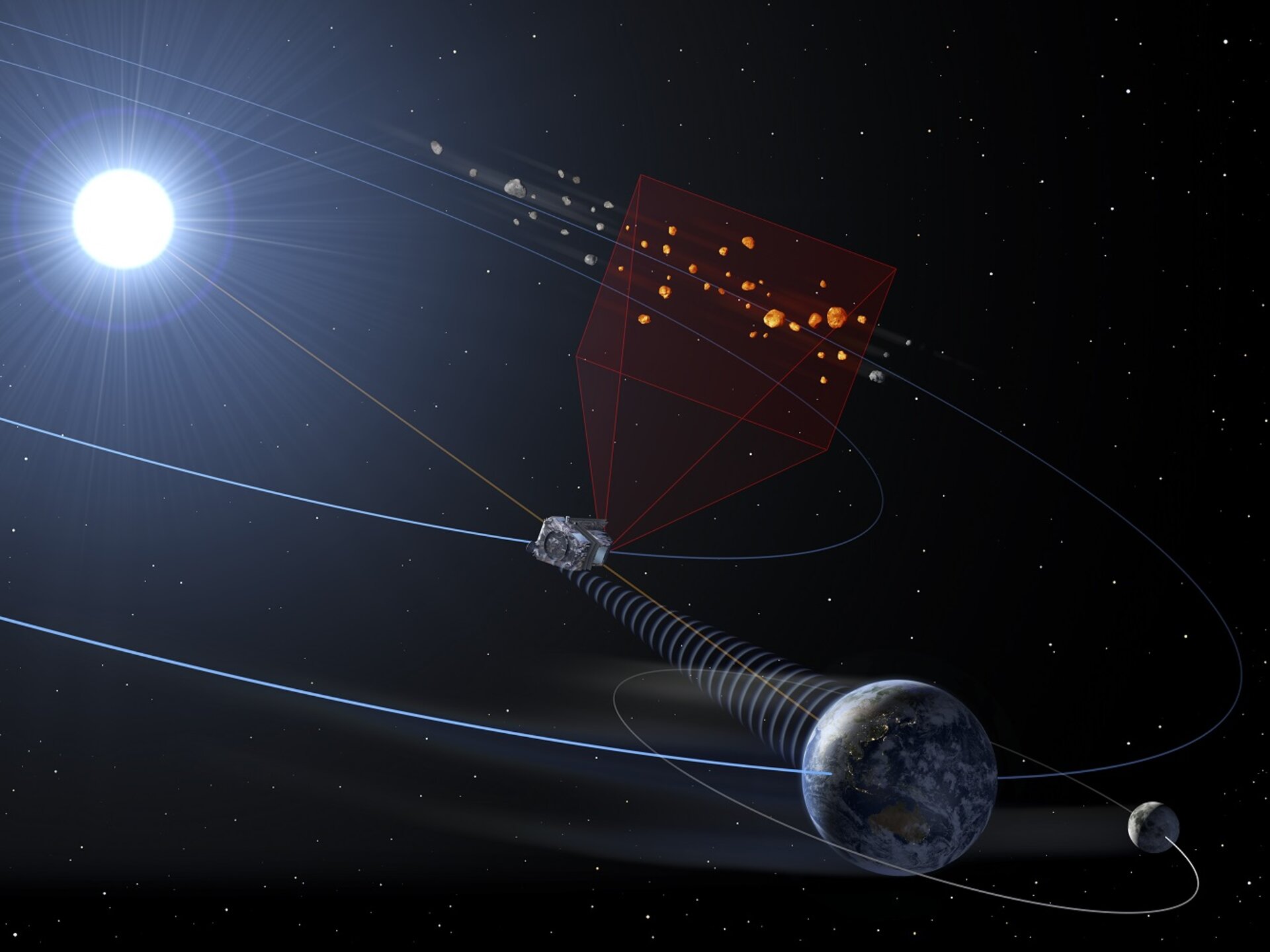
This figure will increase significantly in the next decade after the launch of several specialized missions designed to search for “hidden” rocks. One of these will be the European NEOMIR. It will conduct observations in the infrared range, which will allow for a “blind spot” on the illuminated side of the Earth, where bright sunlight interferes with the detection of asteroids using optical ground-based telescopes.
According to ESA

