

During the first day of trading on the high-tech Nasdaq exchange, Firefly Aerospace shares rose in price by more than 34%. As a result, the company’s value increased to $8.5 billion.
Firefly Aerospace was founded in 2014. Just three years later, the company filed for bankruptcy and put its assets up for sale. It was saved from extinction by Ukrainian entrepreneur and philanthropist Max Polyakov. According to media estimates, over the next four years, he funded it with more than $200 million alone.
Financial investments enabled Firefly Aerospace to get off the ground. It has secured a number of contracts from NASA, the US military, and key defense contractors such as Lockheed Martin and L3Harris. Firefly Aerospace also recently received a $50 million investment from Northrop Grumman as part of a project to develop a new partially reusable rocket. In addition, it is currently the only company in history whose spacecraft has successfully landed on the Moon and completed all of its assigned tasks without any problems.
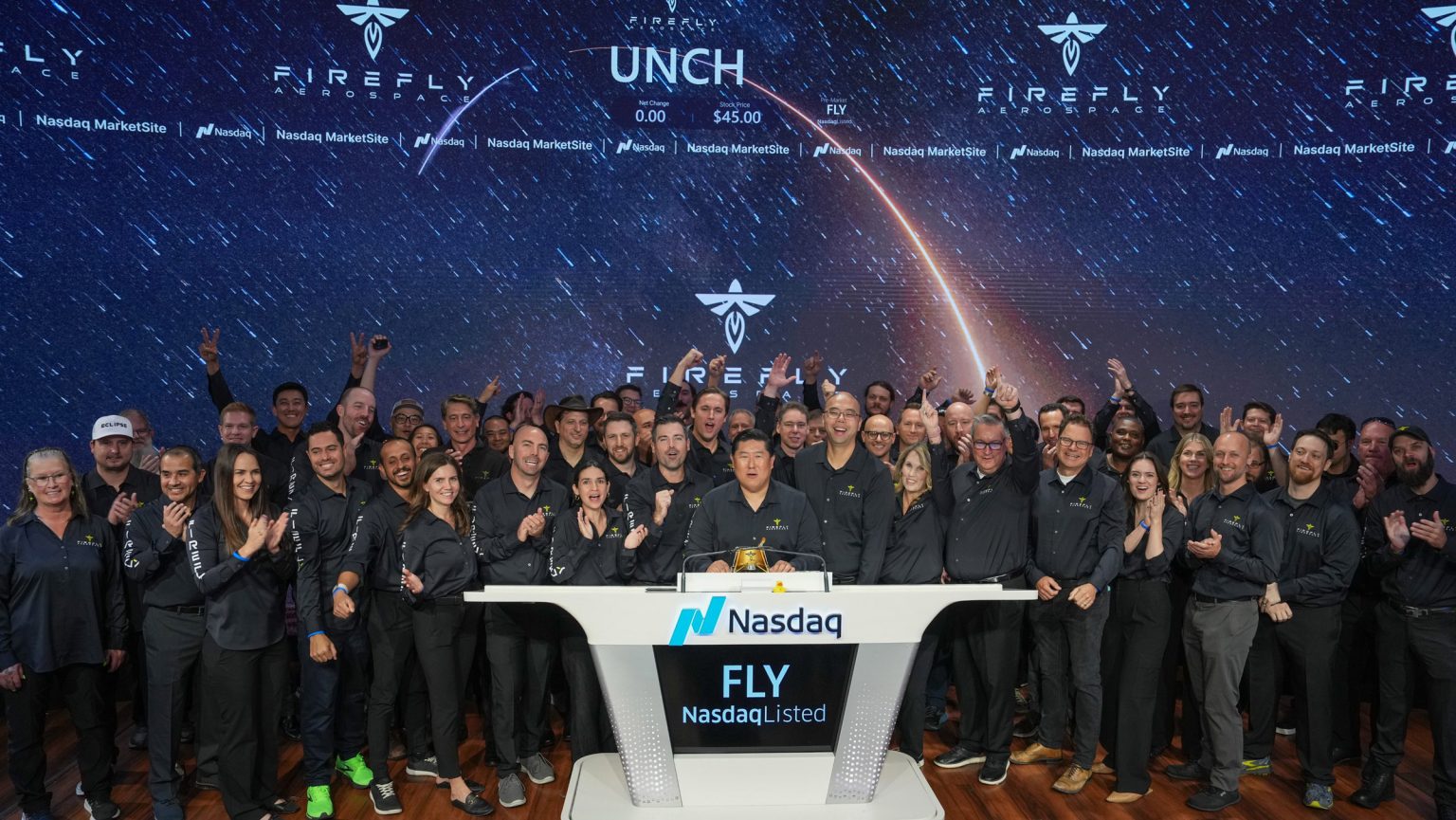
All these successes enabled Firefly Aerospace to go public. As part of its IPO, the company set the share price at $45, which exceeded the expected range, and raised $868 million. In its IPO filing, Firefly reported that revenue for the last quarter grew sixfold, from $8.3 million to $55.9 million. However, the company reported a net loss of approximately $60.1 million, compared to $52.8 million for the same period last year.
Firefly made its stock market debut on August 7 under the ticker symbol “FLY.” At the opening of trading, the company launched a rocket engine.
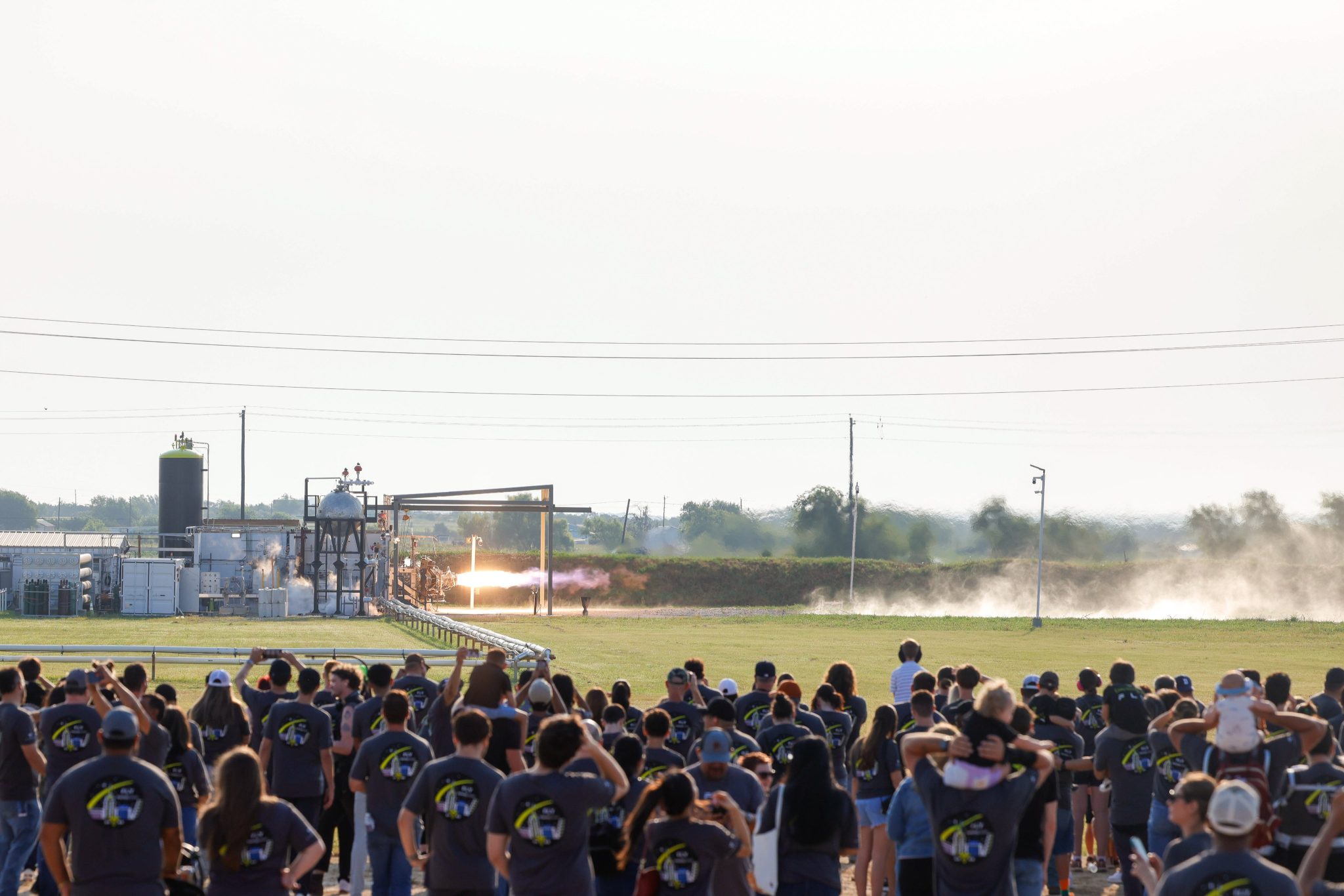
During trading, Firefly Aerospace shares rose in price by more than 34%. They closed at $60.35. As a result, the company’s market value rose from $6.3 billion to $8.5 billion.
“It’s all about execution,” said Jason Kim, the company’s CEO, on Thursday on CNBC’s Squawk Box. “We are focused on improving the reliability of our Alpha rockets because there is huge demand for specialized launches of payloads weighing up to one ton for national security, commercial purposes, and hypersonic rocket testing.”

