

The U.S. Army has tested a new air defense missile designed to replace the Stinger, one of the world’s most famous systems. During flight tests, the guidance system achieved a 100% success rate in hitting targets. This is a key step in the program to develop a new short-range interceptor.
What is QuadStar?
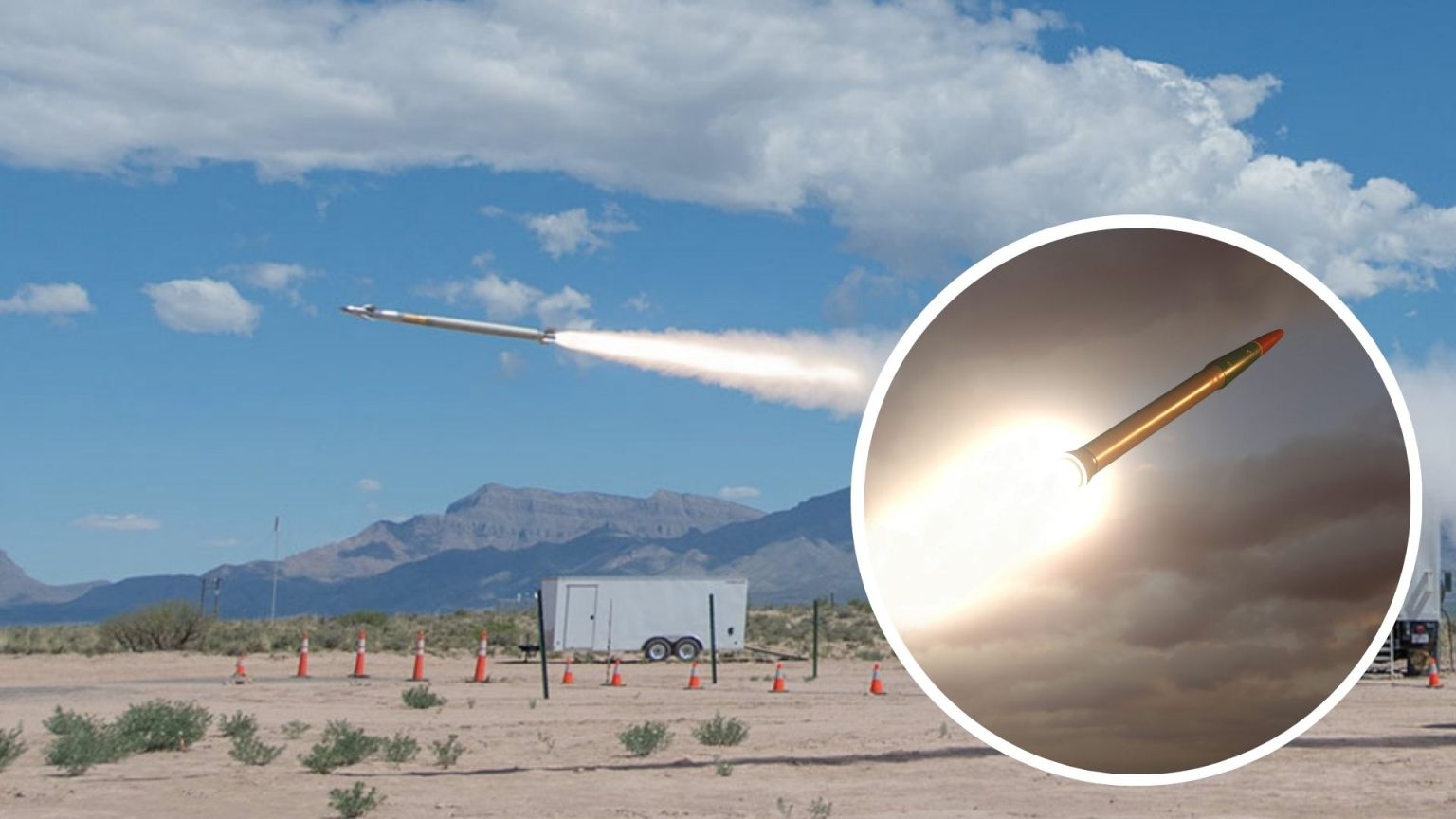
Lockheed Martin has successfully completed flight tests of the QuadStar missile guidance system. The system is being developed as part of the NGSRI program to create a new-generation short-range interceptor to replace the Stinger man-portable air defense system, which has been in service since the 1980s. The U.S. Army is seeking a more advanced close-in air defense system capable of countering a wider range of air threats.
During the test, the missile was launched from a stationary Command Launch Assembly, after which it flew along a tactical trajectory. Its range exceeded that of the previous system, and the guidance head captured images in real time, processed signals, and tracked the target throughout the entire flight path.
How the guidance system works
The QuadStar tracking head is capable of intercepting drones, helicopters, and airplanes. It processes signals directly on board and tracks the target without transmitting data to external devices. The new Command Launch Assembly also features advanced optics and AI-based fire control software, which speeds up target detection and acquisition.
The system is based on an open modular architecture—the company’s proprietary development—that combines expertise in machine learning, fire control systems, and rocket aerodynamics. This approach allows for rapid software updates and enables the rocket to be adapted to new types of threats without requiring major design changes.
Development pace
Less than six months have passed since the first flight and the guidance system test. According to company representatives, the program is on schedule and is even ahead of schedule.
The tests were conducted at the White Sands Missile Range in New Mexico. Lockheed Martin plans to continue testing as part of the next phase of the U.S. Army’s selection process.
According to interestingengineering.com

