

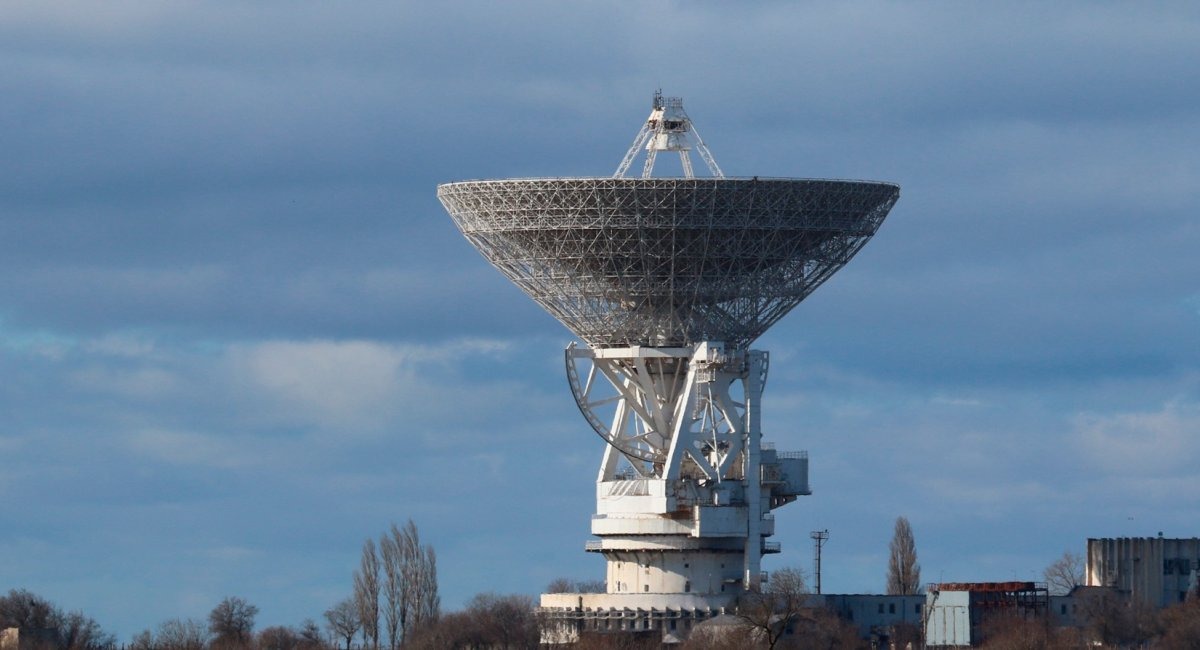
The Ukrainian Armed Forces destroyed the unique RT-70 radio telescope in the temporarily occupied Crimea. This giant once served science, sending messages into deep space. But after the capture of the peninsula, Russia modernized the radio telescope for military use, making it a legitimate target for the Ukrainian Armed Forces. The destruction of the complex prevented the aggressor from using it for military communications purposes, which is a crucial tactical step for Ukraine.
From space missions to the search for aliens
У Криму "Примари" ГУР знищили російський радіотелескоп РФ РТ-70 pic.twitter.com/XG0w2hMGiJ
— Українська правда ✌️ (@ukrpravda_news) August 31, 2025
The 70-meter RT-70 antenna was located in Yevpatoria. It was one of the largest radio telescopes in the world. Construction began in the 1970s during the Soviet Union era. The telescope was designed to support missions to explore Venus, Mars, and other planets, as well as to communicate with spacecraft, particularly within the Venus, Vega, and Phobos programs.
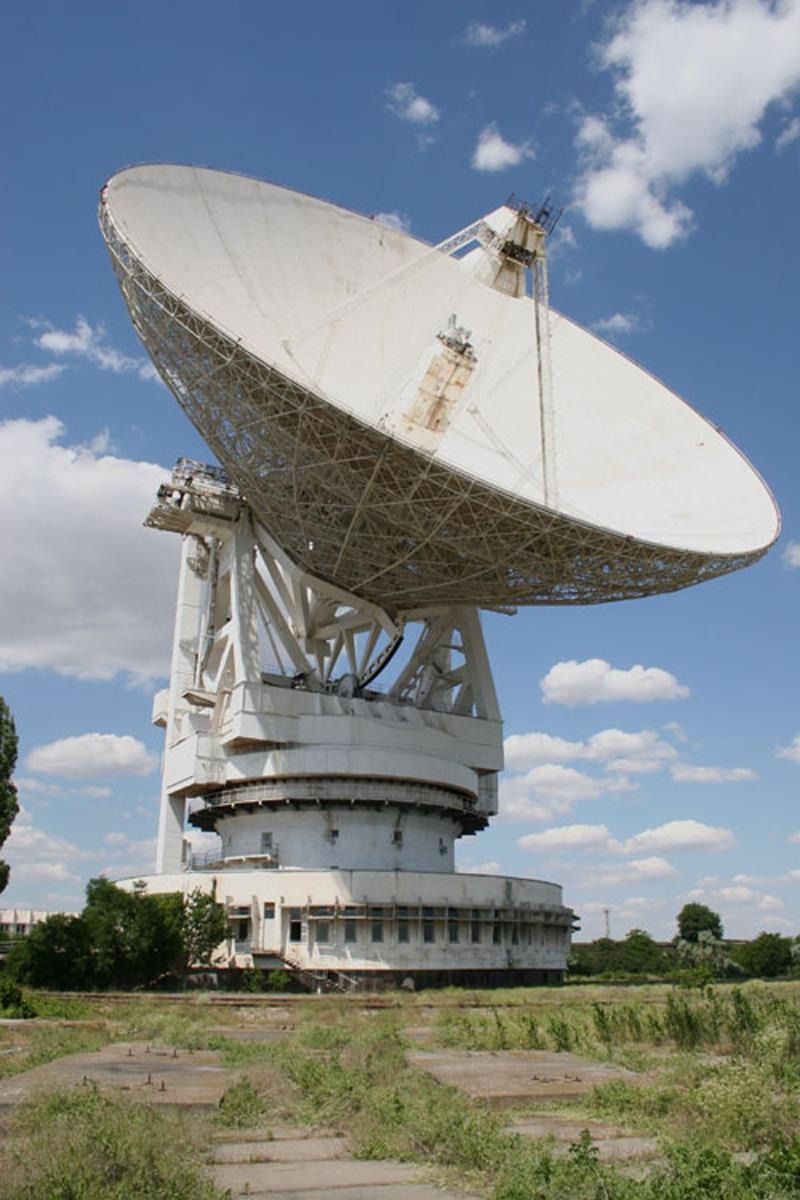
Photo: Wikipedia
In addition, the RT-70 played a key role in the METI (Messaging Extraterrestrial Intelligence) program – attempts to send messages to extraterrestrial civilizations. Thanks to its power, it was the ideal tool for such experiments.
Space “letters” and their recipients
Throughout its history, the RT-70 has been involved in several significant projects aimed at establishing contact with extraterrestrial intelligence:
- Cosmic Call (1999–2003): As part of this experiment, the telescope sent two sets of interstellar messages to the nearest stars, carrying information about Earth and humanity.
- Teen Age Message (2001): A group of teenagers interested in astronomy used a telescope to send a series of radio transmissions containing messages to six sun-like stars.
- A Message from Earth (2008): The most famous project, when RT-70 transmitted a powerful message containing 501 images, texts, and songs selected by the public. Its destination was the super-Earth exoplanet Gliese 581c.
War destroys science
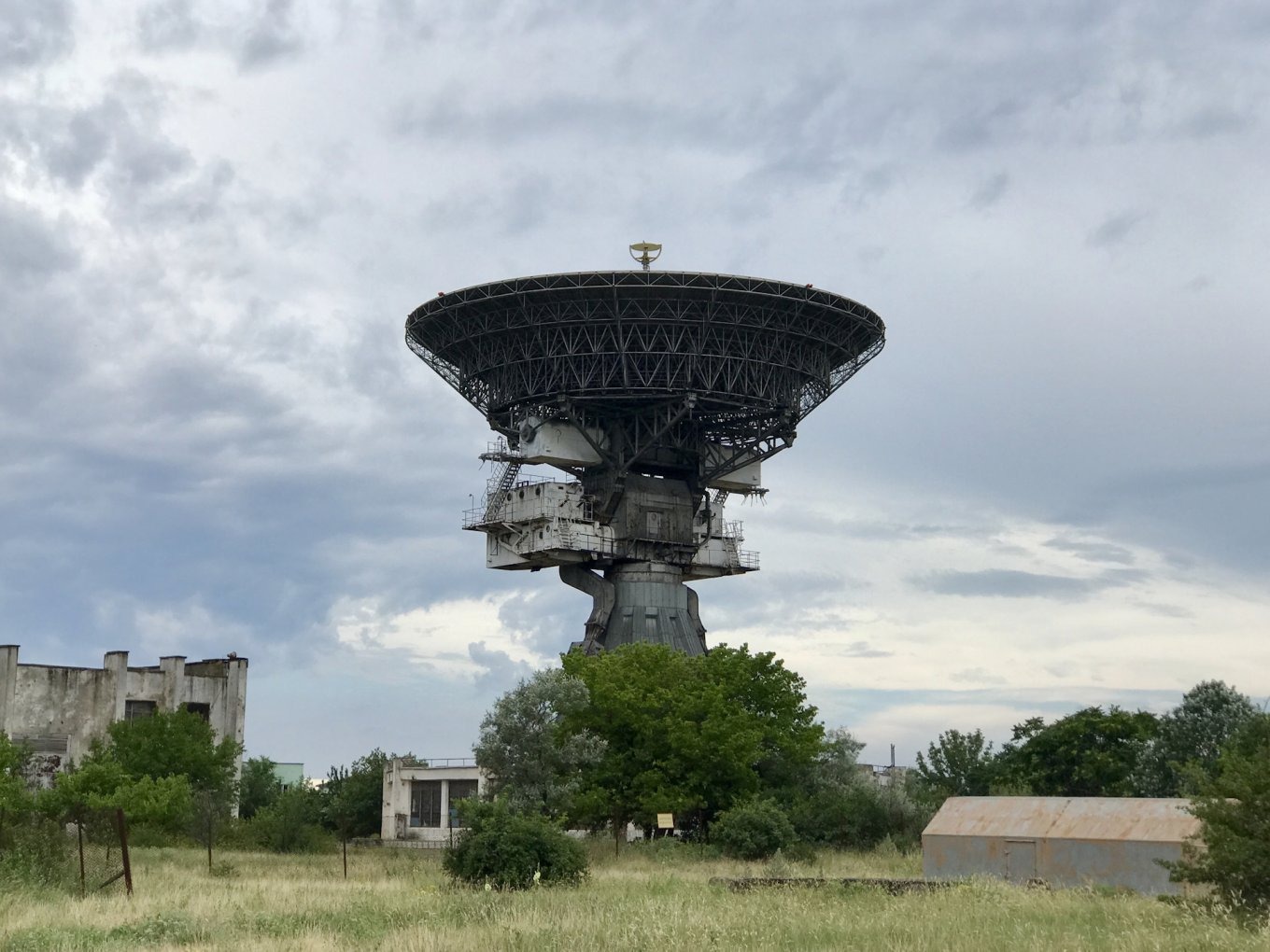
After Russia annexed Crimea in 2014, RT-70 came under the control of the invader. According to space.com, the aggressor used the radio telescope to improve the accuracy of its GLONASS satellite navigation system, which is analogous to the American GPS. The modernization of the telescope for use in military communications finally transformed the facility from a scientific to a strategic one.
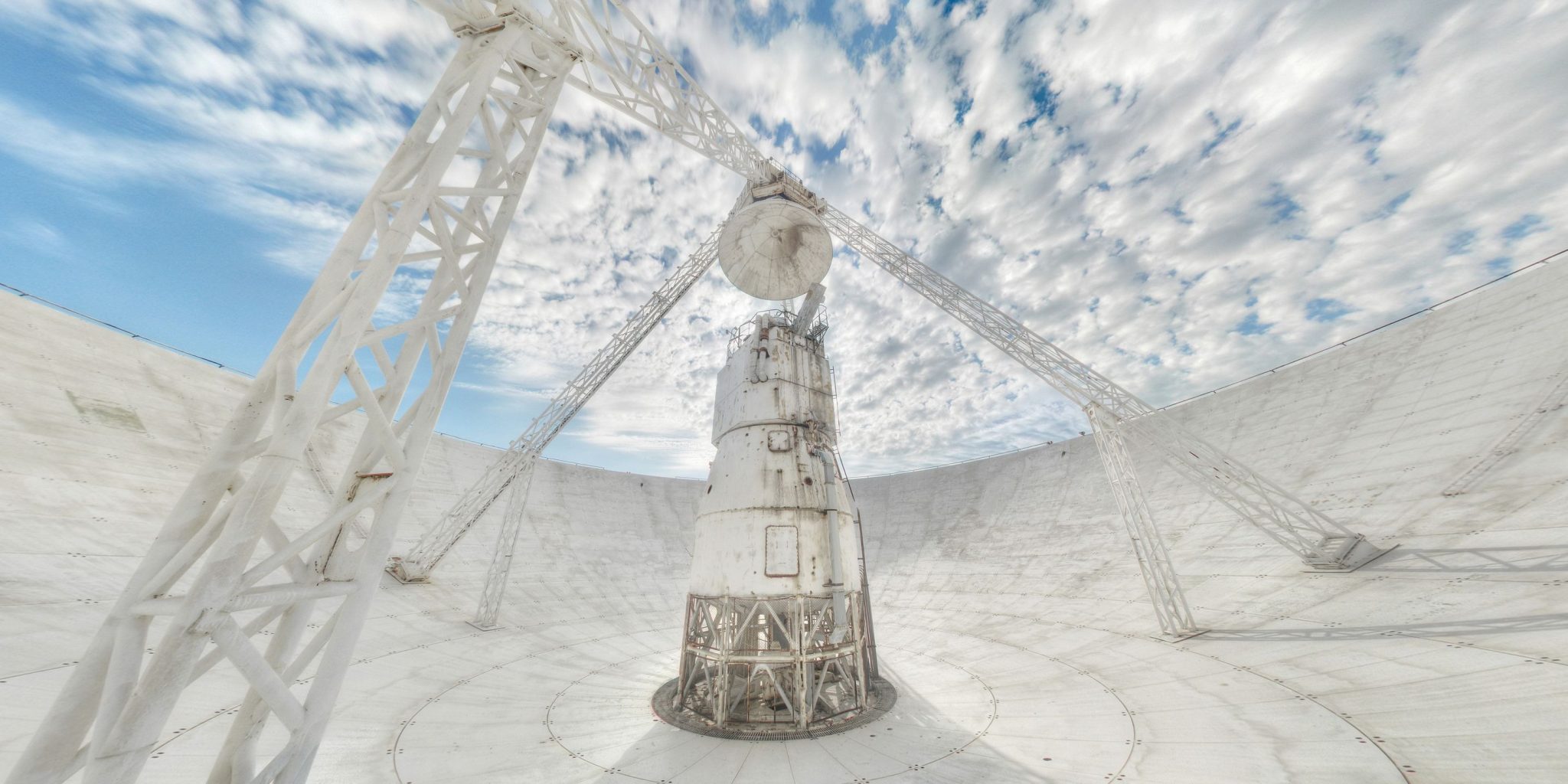
This case once again highlights the devastating impact of war on science. Ukrainian research institutions have suffered significant losses since the start of the full-scale invasion in 2022. Observatories and research centers have been damaged or destroyed, and precious equipment has been lost forever. UNESCO estimates that it will take around $1.26 billion to rebuild Ukraine’s public research infrastructure.
In addition to the destroyed RT-70, Russia also controls other important facilities in annexed Crimea, including the G.A. Shajn Mirror Telescope and the Crimean Astrophysical Observatory. All these losses not only harm Ukrainian science but also deprive the global community of access to the unique research opportunities that were concentrated in this region.
Earlier, we reported on how successful Russia’s attempts to cut Ukraine off from satellite communications were.
Provided by: Defence Express and Space

