

A rare meteorite of lunar origin that fell to Earth has revealed evidence of a massive catastrophe to scientists. This previously unknown event shook the Moon about 3.5 billion years ago—just as the first signs of life were beginning to emerge on our planet. Research into this ancient impact sheds light on the turbulent past of our solar system.
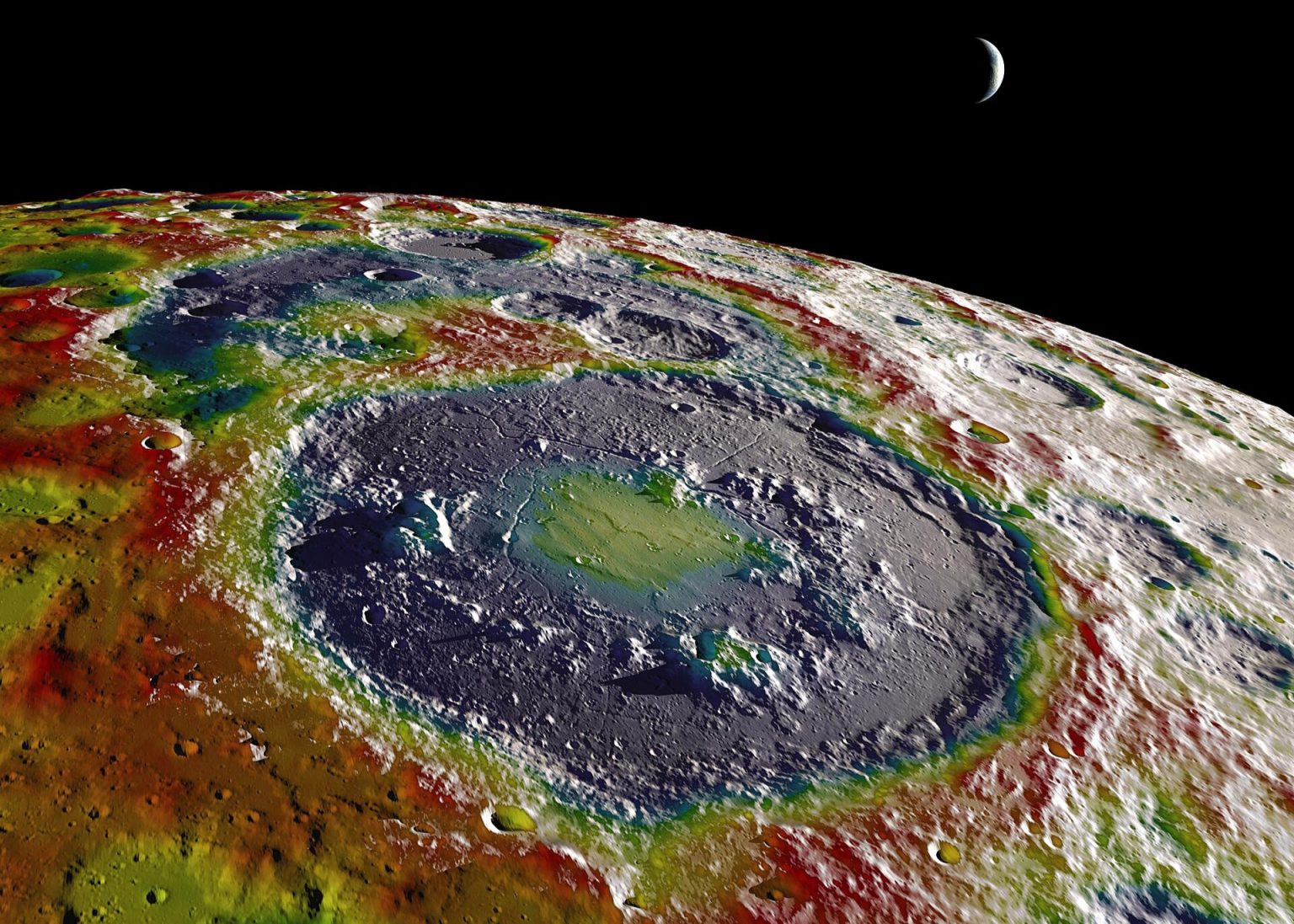
The meteorite, designated NWA 12593, was found in northwestern Africa. According to research published in the journal Geology, it contains evidence of three distinct cosmic events related to the Moon.
In addition to the earliest large-scale impact, the rock bears traces of two other events: the formation of molten rock (breccia) following the collision and a final impact that ejected the fragment from the Moon’s surface onto a trajectory toward Earth. The scientists focused their attention specifically on the very first and oldest impact.
Zirconium as a witness
To accurately determine the age of the earliest catastrophe, researchers used radiometric dating—a method for estimating the age of a material based on the decay rate of its radioactive elements. The analysis showed that the impact occurred approximately one billion years after the formation of the Solar System.
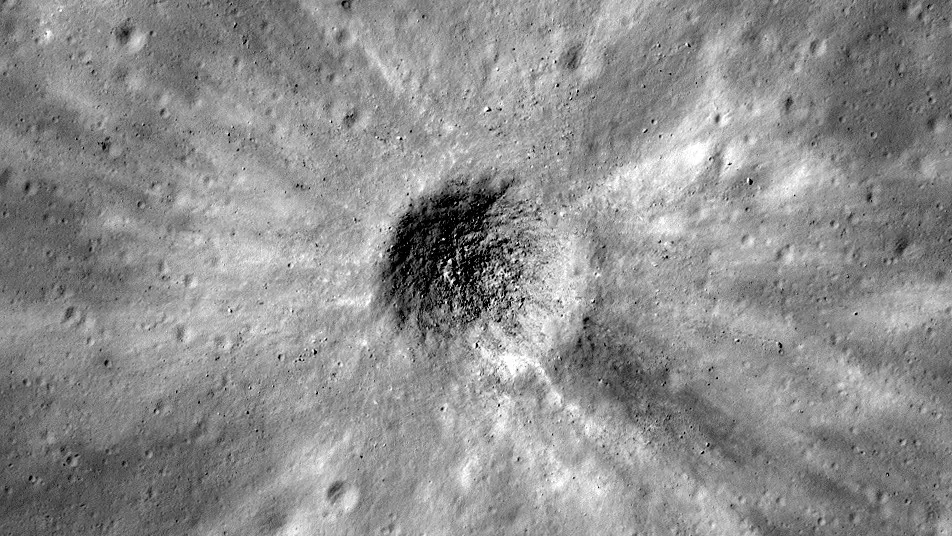
The key evidence of the power of the event was the cubic zirconium (cubic phase of zirconium dioxide) found in the meteorite — a high-temperature modification of ZrO2. On Earth, this material forms only at extremely high temperatures. Although it disintegrates in the Moon’s cold environment, scientists were able to identify it by traces of recrystallization products. This indicates that during the impact, the Moon’s surface literally melted due to the incredible heat.
Cosmic chaos and the origin of life
Planetary scientist Carolyn Crow of the University of Colorado Boulder, the study’s lead author, emphasizes the importance of the discovery. It was exactly 3.5 billion years ago that the first fossil evidence of life appeared on Earth.
“The question that we often have, even going back further, is what was the impact record when life was emerging?” Crow notes. “It is important for understanding how life is taking hold… The cadence of these catastrophic events is an important part of the equation.”
Interestingly, this lunar impact coincides in time with other massive collisions on Earth and on the large asteroid Vesta that were discovered earlier. Finding evidence of three large-scale catastrophes on three different celestial bodies that occurred during the same period is extremely rare, since erosion processes usually destroy such traces.
Further comparison of these cosmic events will help scientists better understand the dynamics of the early Solar System—an era when clouds of dust and gas transformed into asteroids, comets, and eventually into the planets we know today, one of which gave rise to life.
We previously explained whether the Moon could collide with Earth.
According to livescience.com

