

Using data from ESA’s SMOS satellite, scientists have discovered surprising changes in the Southern Ocean surrounding Antarctica: its waters are becoming saltier, even despite the rapid decline in sea ice cover. This discovery contradicts conventional beliefs, as melting ice usually leads to a decrease in the salinity of surface ocean waters.
Unprecedented melting of ice
Since 2015, Antarctica has lost an area of sea ice comparable in size to Greenland — one of the fastest environmental changes on the planet in recent decades. Melting ice typically reduces the salinity of surface waters, creating conditions that then promote ice recovery.
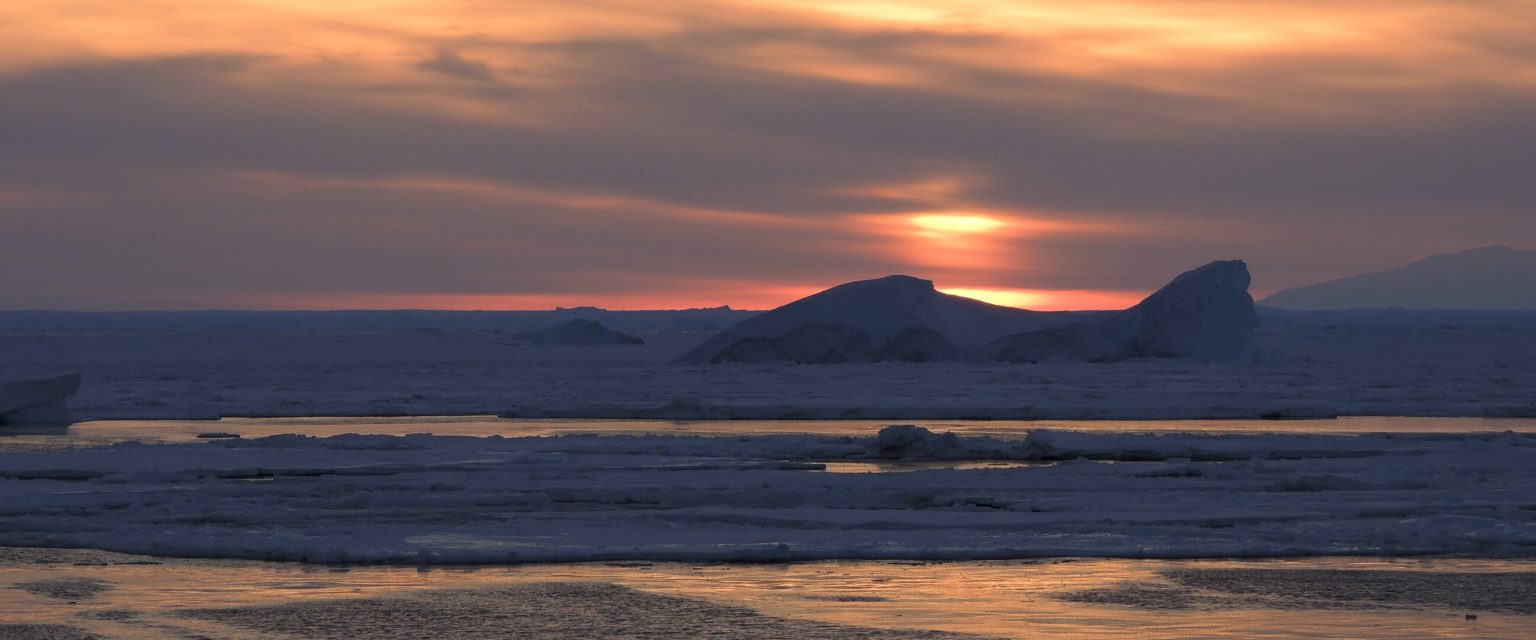
However, using ocean salinity measurements obtained during the SMOS mission, a group of researchers led by the University of Southampton in the UK made a striking discovery. They found that south of 50° south latitude, there was a sudden increase in the salinity of surface waters. This means that the processes associated with ice melting and surface water cooling are more complex than previously thought.
This change was completely unexpected. Since the early 1980s, surface waters have become increasingly fresh and cold, contributing to the expansion of sea ice.
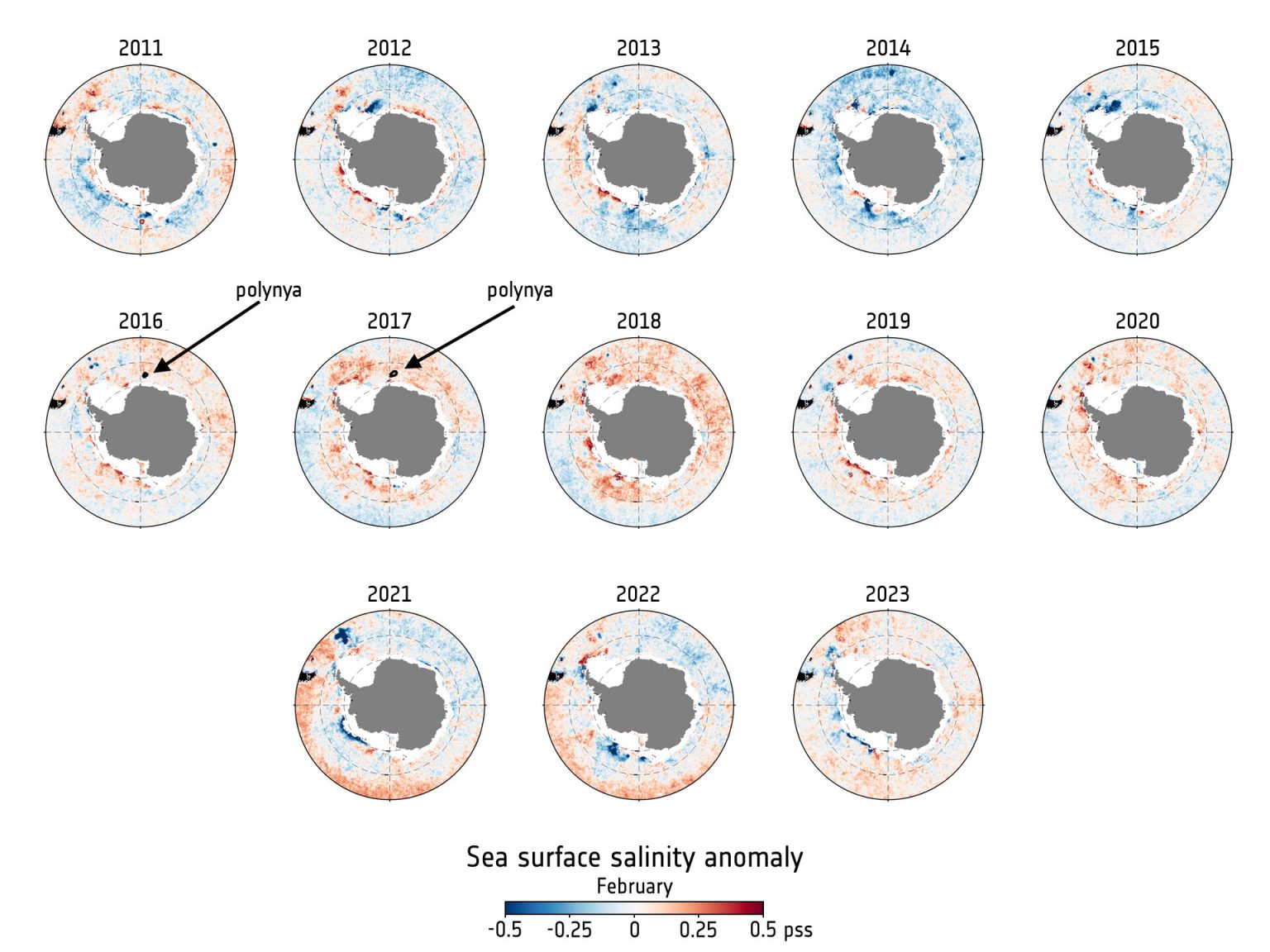
Alessandro Silvano, who led the study, the results of which were published in the journal PNAS, said: “The discovery was unexpected because melting ice should freshen the ocean, not make it saltier.” However, data from the SMOS satellite show that the opposite is happening, and this is a cause for serious concern.
Saltier surface waters alter ocean dynamics. Cold, fresh surface water usually lies above warmer, saltier water at greater depths, as buoyancy in these latitudes depends largely on salinity. This layering keeps heat trapped in the depths of the ocean, making surface waters cool and helping sea ice form.
“But now, saltier surface waters allow heat from the depths to rise more quickly. This upward flow of warmer water melts sea ice from below, making it much more difficult for it to reform.”
Consequences for Earth
This change in ocean conditions coincided with a sharp reduction in sea ice cover in Antarctica and the unexpected appearance of the Maud Rise polynya — a large area of open water in the Weddell Sea that had not been observed since the 1970s.
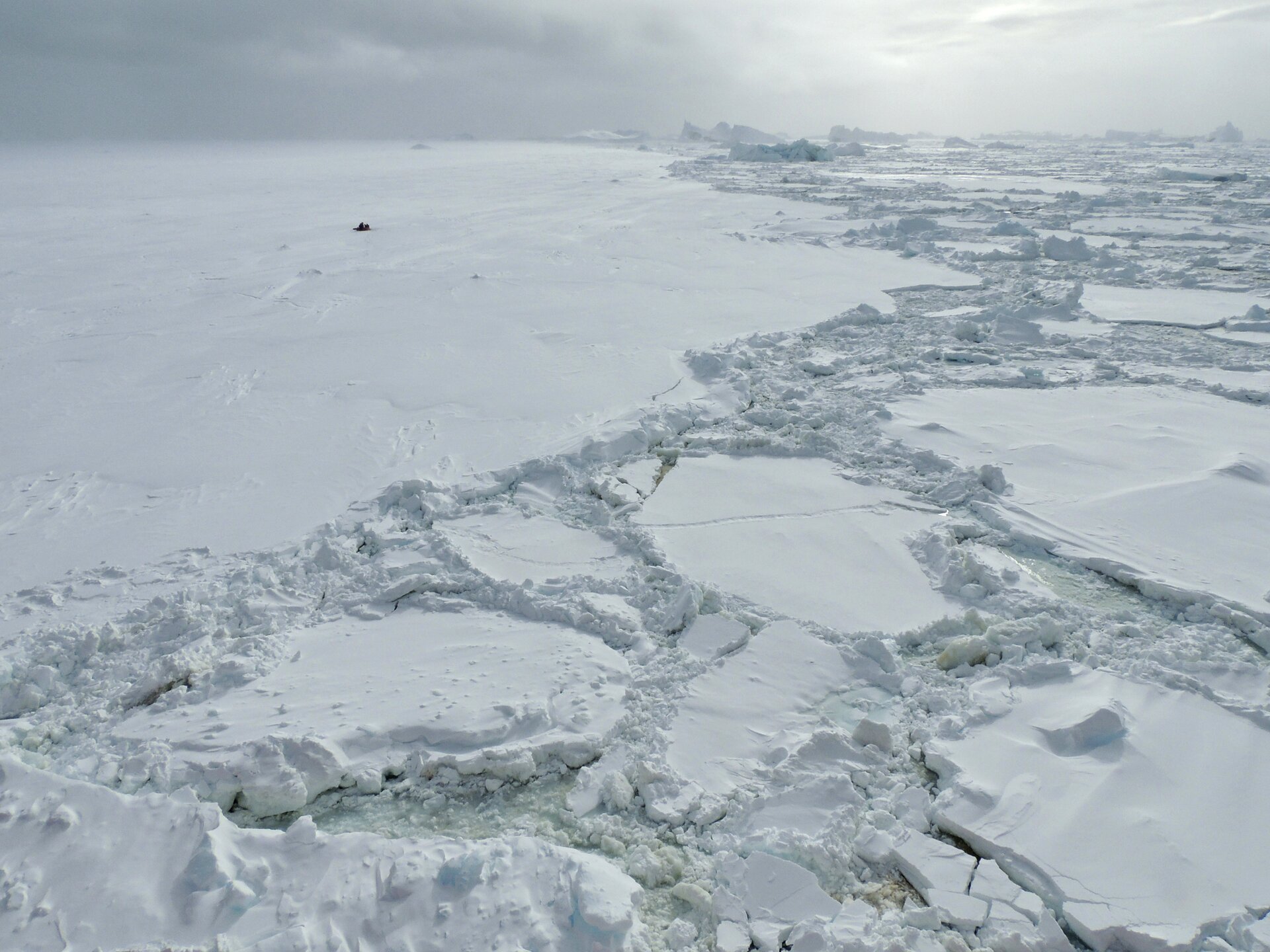
According to another participant in the study, Dr. Silvano, the return of the Maud Rise polynya shows how unusual the current situation is. If the trend toward increased salinity and reduced ice cover continues, it could lead to long-term changes in the Southern Ocean that will have consequences for the rest of the world. We may be closer to a tipping point than expected and have potentially entered a new state characterized by a steady decline in sea ice, supported by a recently discovered feedback loop.
The loss of sea ice in Antarctica has far-reaching global consequences. As the ice melts, more and more heat stored in the ocean is released into the atmosphere, intensifying storms and accelerating climate change.
This, in turn, contributes to extreme heat waves on land and further melting of the Antarctic ice sheet, leading to a rise in global sea levels. The reduction in sea ice also threatens vital habitats for penguins and other species that depend on ice for survival.
All this suggests that Antarctica is no longer the stable, frozen continent that it was once thought to be. It is experiencing rapid and unexpected changes that cannot be predicted by modern climate models.
Earlier, we reported on how satellites showed an increase in vegetation cover in Antarctica.
According to ESA

