

SpaceX is preparing for the sixth Starship test right now. It is scheduled for 19 November. Because of this, the editors of Universe Space Tech have decided to answer the most common questions about Starship and the reasons why it gets so much attention.
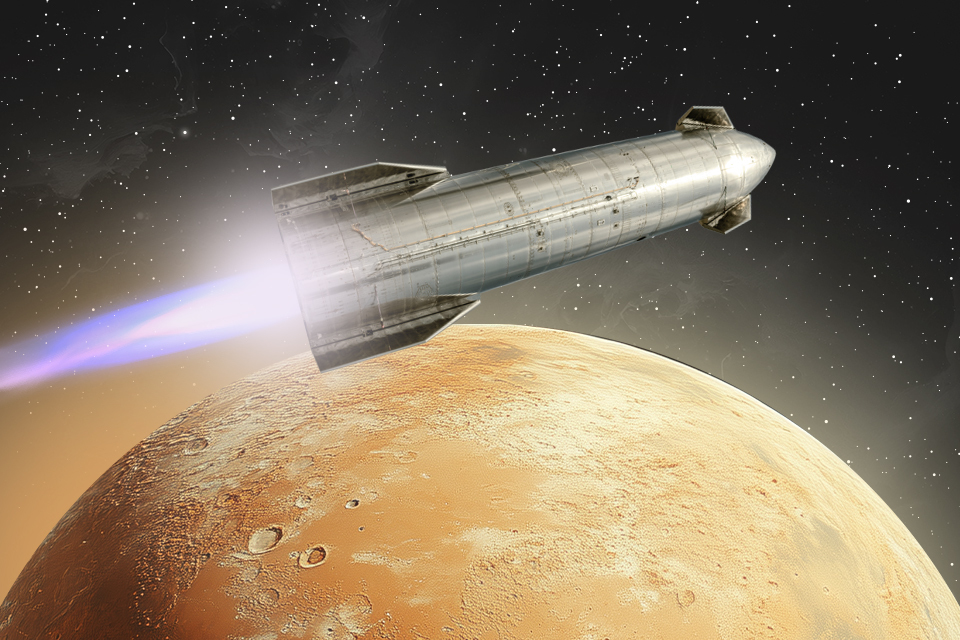
What is Starship
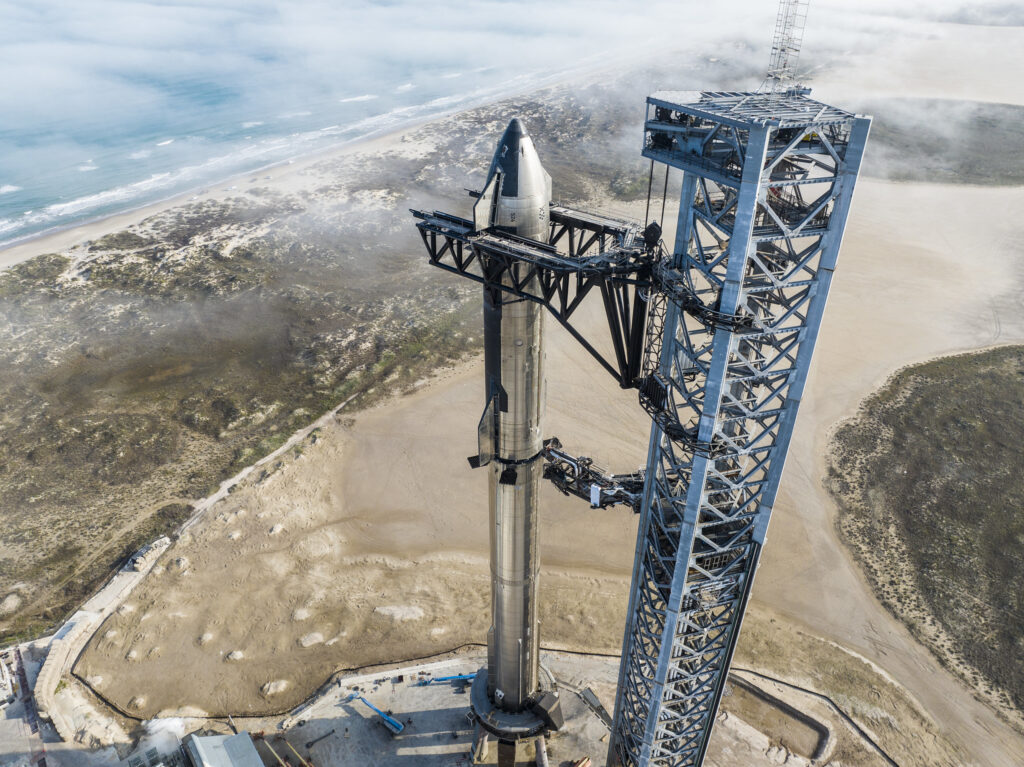
Starship is the name of a reusable space transportation system created by SpaceX. It consists of a spacecraft of the same name and a booster (first stage) called Super Heavy.
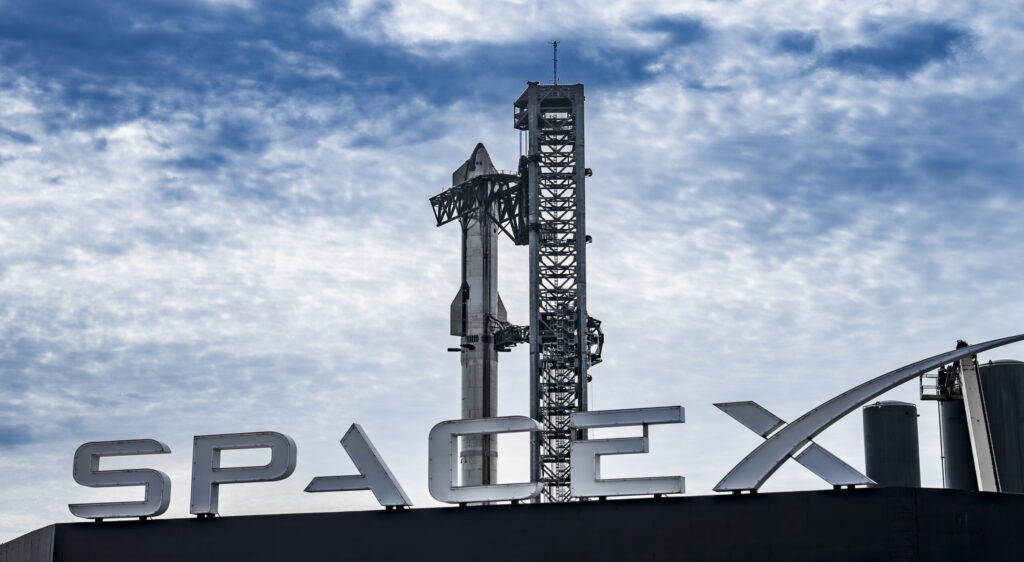
The mass of the Starship and Super Heavy bundle in the fueled state is about 5000 tons, and its height is 121 m. To date, it is the highest and most powerful launch vehicle in history. It is important to note that Starship is still in development and SpaceX specialists regularly make changes to its design. It is expected that in the future the super-heavy rocket will increase and will be able to launch more payloads into orbit.
What Starship is for
Starship is a multifunctional system capable of accomplishing many tasks. One of them is the delivery of a large amount of cargo into space. SpaceX plans to use the Starship cargo modification to launch the next generation of Starlink satellites into orbit, which have a size and mass too large to be launched on conventional rockets like the Falcon 9.

Another purpose of Starship is to be used as an interplanetary transportation system. SpaceX intends that it will be the cornerstone of the Mars exploration and colonization project. And NASA wants to use Starship in the Artemis programme to land US astronauts on the south pole of the Moon.
Finally, Starship could be used for intercontinental passenger flights on Earth. SpaceX estimates that it will be able to fly the New York to Shanghai route in just 39 minutes.
What Starship is made of
Initially, SpaceX specialists planned to make Starship from carbon fiber, but later changed their mind and made a choice in favor of stainless steel, which surprised many experts, because steel is quite rarely used in the space industry. Elon Musk motivated this decision by the fact that stainless steel is cheaper than composite materials, it is easier to work with, its strength at cryogenic temperatures increases, but it has a high melting point. And this is very important for vehicles that have to enter the atmosphere.
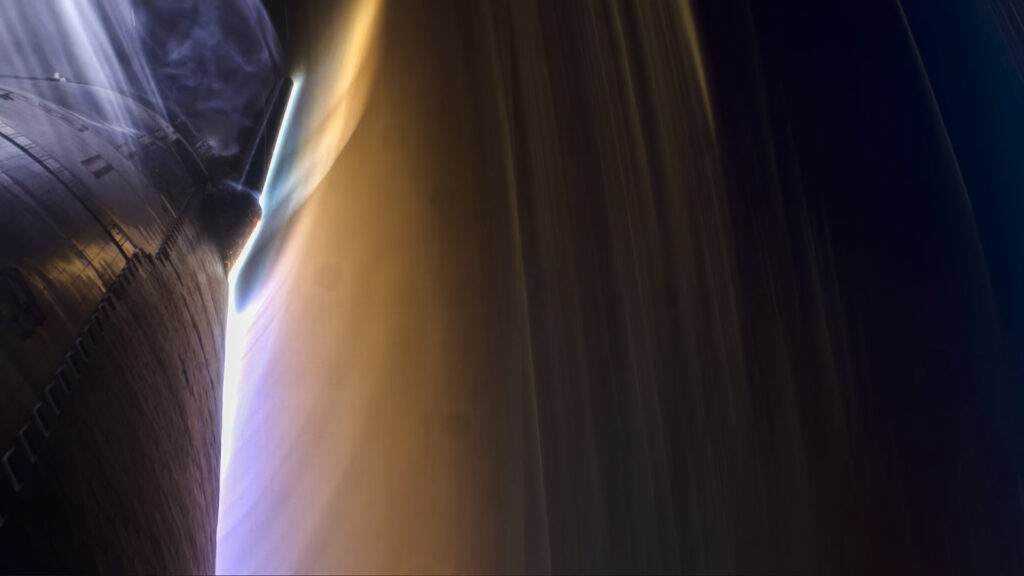
Starship is also equipped with a heat shield. It consists of several thousand hexagonal tiles made of silicon dioxide. They can withstand temperatures of 1400°C and are designed to be reusable.
Starship flights that have already taken place have confirmed that this design solution works. Even if the heat protection tiles are lost, the stainless steel hull can withstand the temperatures encountered during re-entry, allowing Starship to maintain its integrity. This distinguishes it from the shuttles, which made extensive use of aluminium alloys, which had a lower melting point. Therefore, when the shuttle Columbia lost several heat protection tiles in 2003, the damage was fatal to the ship and crew.
What makes Starship different from other spacecraft
All manned spacecraft in use today have a capsule design. This means that only the crew capsule making the descent by parachute returns to Earth — the rest burns up in the atmosphere. Starship is a fully reusable vehicle that performs vertical takeoff and landing using its own engines.
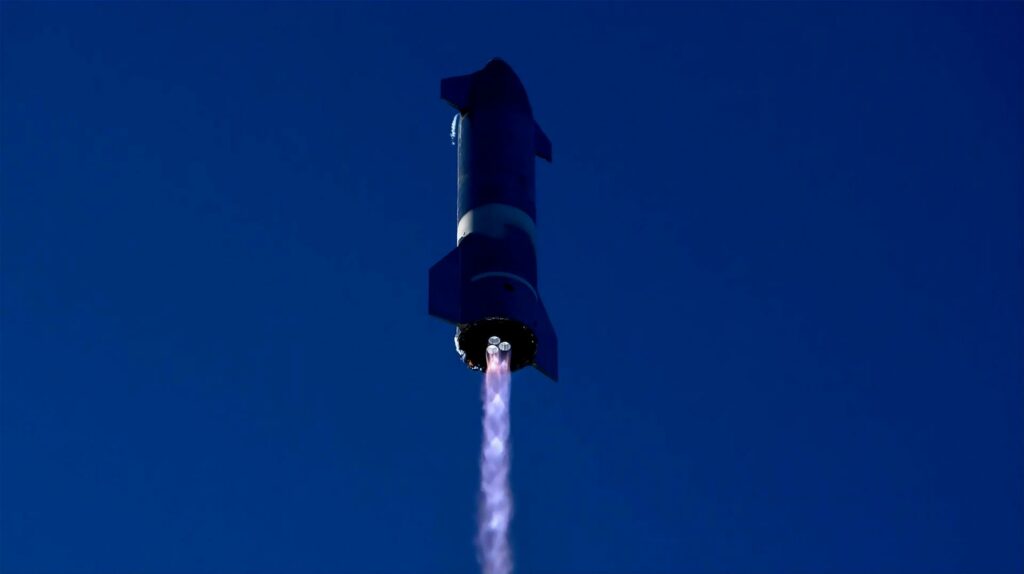
In addition, as we have already said, Starship is designed as a universal system. The ship can be used in many different modifications – from an unmanned orbital tanker to a Martian spacecraft.
Main benefits of Starship
Compared to traditional spacecraft and rockets, Starship has three key advantages. The first is reusability. It is the first fully reusable space system in history. Even the shuttles were not truly reusable. They required a one-time-use fuel tank for launch, and after returning to Earth, they underwent a complex maintenance procedure that took months and involved reassembly and replacement of many components. Because of this, the cost of operating the shuttles was much higher than originally expected. Starship is designed for scheduled space flights with minimal post-flight maintenance.
Another key advantage of Starship is its payload capacity. The spacecraft will be able to launch up to 200 tons of cargo into low-Earth orbit, which is a record.
And finally, as we have said, Starship has the ability to land and then take off from the surface of other celestial bodies. This makes it suitable for missions to the Moon, Mars and asteroids.
Why NASA needs Starship
In 2021, NASA signed a contract with SpaceX to use a Starship modification for the Artemis program. It will be used as a descent vehicle to deliver astronauts to the Moon.
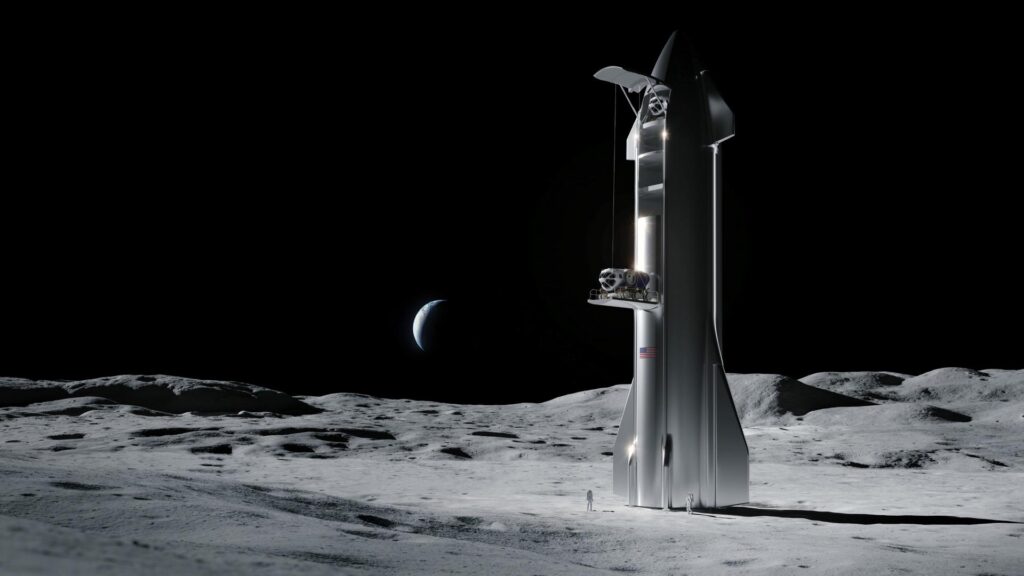
There are several reasons for NASA’s choice. SpaceX’s proposal was noticeably cheaper than other competitors. At the same time, the ship will be able to deliver a much larger volume of cargo to the Moon than any of the alternative projects with a more traditional design. And most importantly, unlike its competitors, which still exist only on paper, Starship prototypes are already flying and achieving very notable success.
Where Starship is launched from
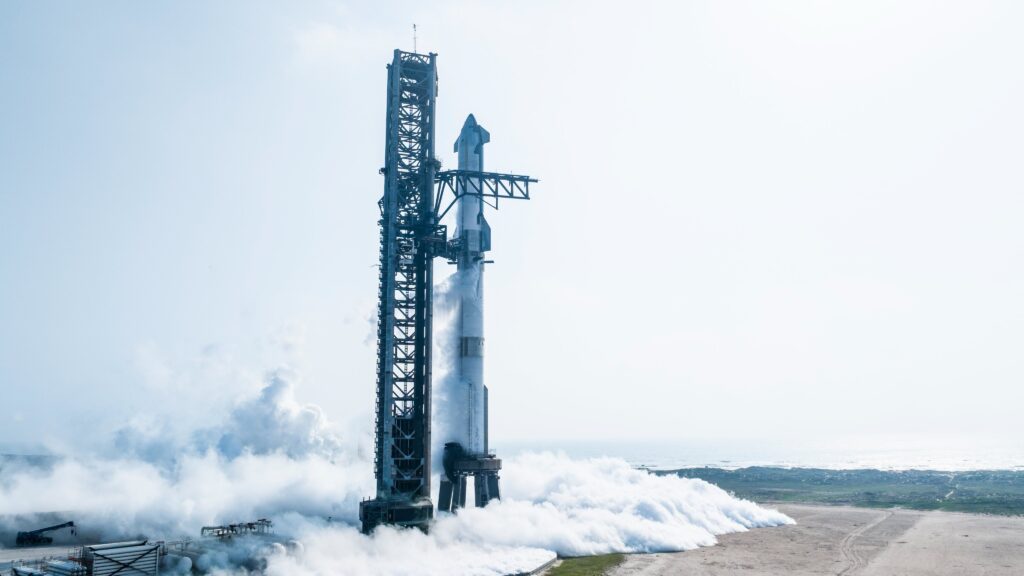
For now, Starship is currently launching from the Starbase site. That’s the name of SpaceX’s test spaceport and production facility near Boca Chica, Texas. SpaceX intends to expand the geography of Starship launches in the future. The company’s engineers are currently constructing a pad for this purpose at the LC-39A Launch Complex.
How many times has Starship flown
To date, SpaceX has conducted four Starship launches. Each of them was more successful than the previous one and allowed the company to solve new tasks. If the first flight ended with loss of control and subsequent destruction of the spacecraft when it was at an altitude of 39 kilometers, the fifth time SpaceX managed to successfully alight Starship and the Super Heavy booster successfully returned to the spaceport, where it was picked up by the Mechazilla tower.

The sixth flight will follow the pattern of the previous test with minor modifications. SpaceX plans to bring the Super Heavy back again using Mechazilla. As for Starship, its flight will follow the same suborbital profile as the previous time. The ship will fly across Africa before landing in the Indian Ocean. During the flight, engineers plan to re-ignite one of the Raptor’s engines. This should demonstrate the possibility of descending from orbit in future missions.
The next two key goals of the project are the return of the Starship itself (Mechazilla will also be used for this), as well as the development of the orbital refuelling procedure. SpaceX will try to achieve them in 2025.

