

Zhamanshin is an impact crater in Kazakhstan estimated to be approximately 900,000 years old. Scientists have recently discovered that it is larger than previously thought, and that the collision between Earth and the asteroid that led to its formation may have had a significant impact on the climate.
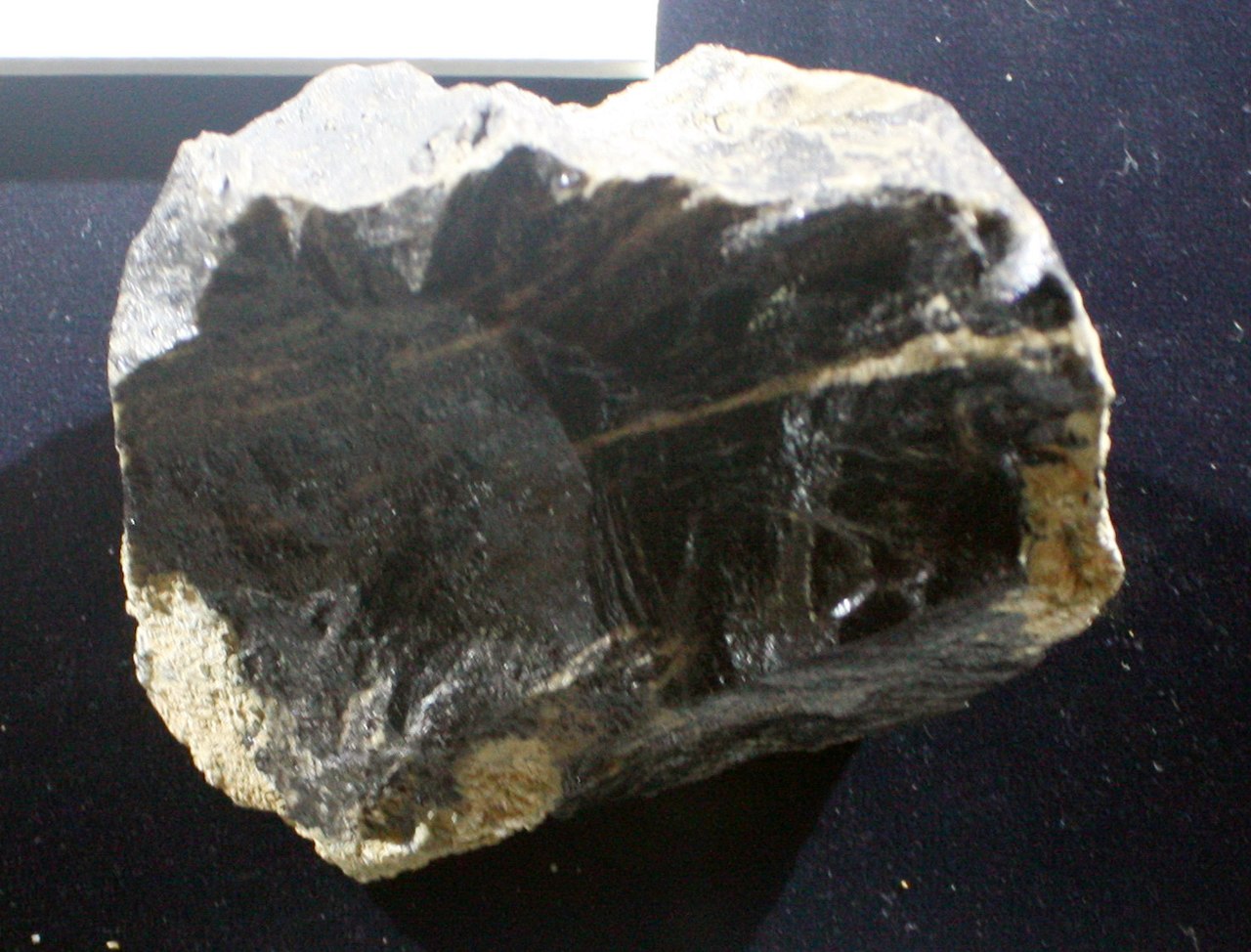
Zhamanshin Crater
An article by NASA scientists on the Zhamanchin crater was recently published in the Planetary Science Journal. It is located in western Kazakhstan and has a diameter of about 14 km. Its distinctive feature is that it was formed as a result of a collision between Earth and a large celestial body 900,000 years ago, at a time when the genus Homo was already present on Earth.
The Zhamanchin Crater has long attracted the attention of researchers, primarily because it is one of the youngest craters of this size. Moreover, it shows virtually no signs of erosion, which makes it possible to estimate the size of the asteroid that formed it with a high degree of accuracy. At the same time, this alleviates concerns about such events to some extent: it appears that their impact on life on our planet is not particularly significant.
And now a new study has been published. Scientists have reexamined the topographic data and discovered that there are additional impact-induced ring-shaped ridges around the crater. It’s just that erosion actually had quite an effect on the impact site and concealed it.
How the impact affected Earth
It is now known that the total radius of the Zhamanchin crater, including its ring structures, is 26.5 km. This means that the blast was significantly more powerful than previously thought. Its force is estimated at 240,000 tons of TNT equivalent. And that’s at least four times more powerful than the most powerful thermonuclear bomb.
And now the question arises: did this event really have absolutely no impact on the Earth’s climate? After all, at that very moment, the interglacial period began to give way to another cooling phase. Although it will probably be difficult to determine whether this was a natural process or the result of an asteroid impact.
According to phys.org

