

The Artemis II mission is nearing its peak. On April 6, four astronauts will begin their flyby of the Moon. At that moment, they will be farther from Earth than anyone in history. You’ll be able to watch it live.
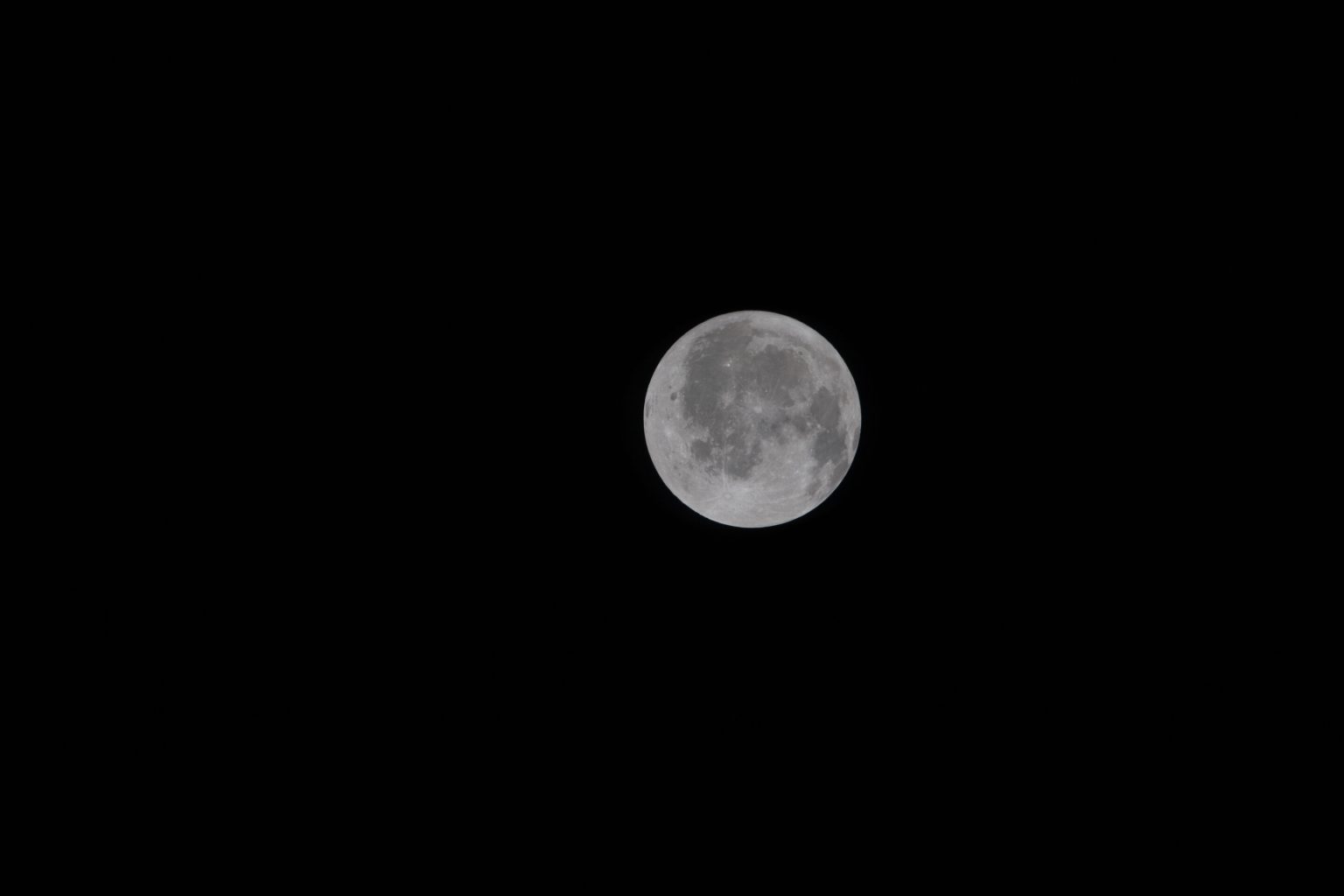
Flyby of the Moon
The astronauts on the Artemis II mission are already approaching the Moon. At 11:03 p.m. Eastern Time (it was already 6:03 a.m. Monday in Kyiv), they fired the Orion spacecraft’s engines to adjust its trajectory ahead of the most critical phase of its journey: the flyby around the Moon. The pulse lasted only 17.5 seconds.
It will not require any additional engine firings. The gravitational pull of our planet’s moon will turn the spacecraft carrying the four astronauts around and direct it toward Earth. The next phase began at 12:41 a.m. Monday, April 6, when Orion flew so close to the Moon that its gravitational pull finally began to overcome Earth’s.
And at 1 p.m., several services will begin broadcasting the flyby itself, which will last several hours. The easiest way to watch it is on NASA+ via this link.
The people furthest from Earth
Less than an hour after the broadcast begins, at 1:56 p.m., the most significant event of the entire flight will take place. The Artemis II crew will set a new record for the farthest distance a human has ever traveled from Earth. It now belongs to the Apollo 13 crew. However, the astronauts did not set it up of their own accord at the time. Instead, a landing had been planned, but before it could begin, an oxygen tank exploded on board, forcing them to urgently seek a trajectory that would bring them back to Earth as quickly as possible.
This time, Orion is following a similar trajectory, but this time it’s a conscious decision. Officially, the record will be set at 2:10 p.m. However, the astronauts will reach the farthest point of their orbit at 7:07 p.m. At that point, the four astronauts on the Artemis II mission will be 6,400 km farther from Earth than the three who were aboard Apollo 13.
Solar eclipse and loss of communication
At 2:15 p.m., the crew will switch the spacecraft’s cockpit to the lunar flyby configuration. At approximately 6:44 p.m, the spacecraft will be on the far side of the Moon, and communication with it will be lost for exactly 40 minutes. During the period when the astronauts are away from Earth, they will pass the point closest to the Moon.
At 7:25 p.m., communication with the crew should be restored, but that won’t be the end of the four astronauts’ adventures. And at 8:35 p.m., the Moon will pass between them and the Sun, and the astronauts will be able to observe an eclipse that no one else will see. It will end at 9:32 p.m.
According to www.nasa.gov

