

On April 6, the Artemis II crew flew around the Moon. During this journey, they set a record by becoming the first people to travel farther from Earth than anyone else. The previous record was held by Apollo 13.
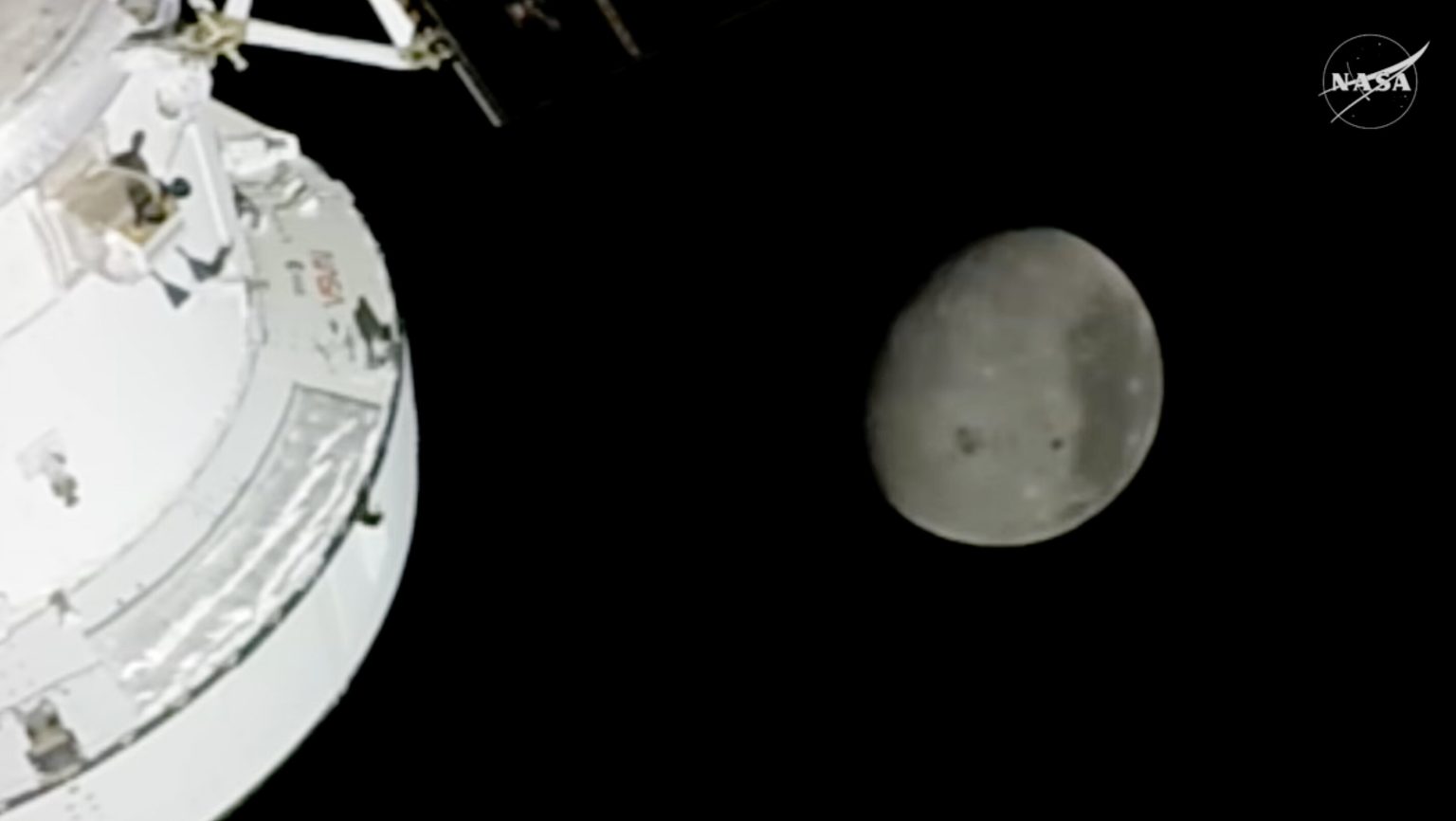
Flyby of the Moon
The historic Artemis II mission has reached its finale. For the first time since the 1970s, a crew of astronauts—Reid Wiseman, Victor Glover, Christina Koch, and Jeremy Hansen—found themselves on the far side of the Moon. At this point, it is already known that the operation—during which contact with them was intentionally interrupted for a full 40 minutes—went safely.
And it was during those 40 minutes that the mission’s most significant record was set—the astronauts aboard the Orion spacecraft reached a greater distance from Earth than any human had ever before.
At approximately 7:07 p.m. EDT (2307 GMT), Orion was 406,778 km from Earth. That is 6,606 km farther than the previous record. It was installed by the Apollo 13 astronauts in 1970, and at the time it was a necessary measure.
What’s next?
Interestingly, although the astronauts are proud of their achievement, they have no intention of keeping hold of it. Canadian astronaut Jeremy Hansen summed up the mood in the capsule by saying that this was a challenge issued to future generations, in the hope that this record would not stand for long.
In addition to setting the record, the astronauts accomplished several other important tasks during the flight. They named two small craters on the far side of the Moon. One of them was named after their spacecraft—Unity—and the other was named Carol, in memory of Jeremy Hansen’s ex-wife, who had died of cancer.
The four astronauts on the mission were also the only people who saw the lunar eclipse that night and took some unique photographs. They are now officially on their way to Earth, and in a few days they will face their final test: re-entry into the atmosphere.
According to phys.org

