

Just a few years ago, the world watched with excitement as the OSIRIS-REx spacecraft delivered unique samples from the asteroid Bennu to Earth. It was a journey 300 million kilometers into the past of our cosmic neighborhood. However, after the capsule’s successful return in the autumn of 2023, the scientific world immersed in lengthy research, and public interest began to wane.
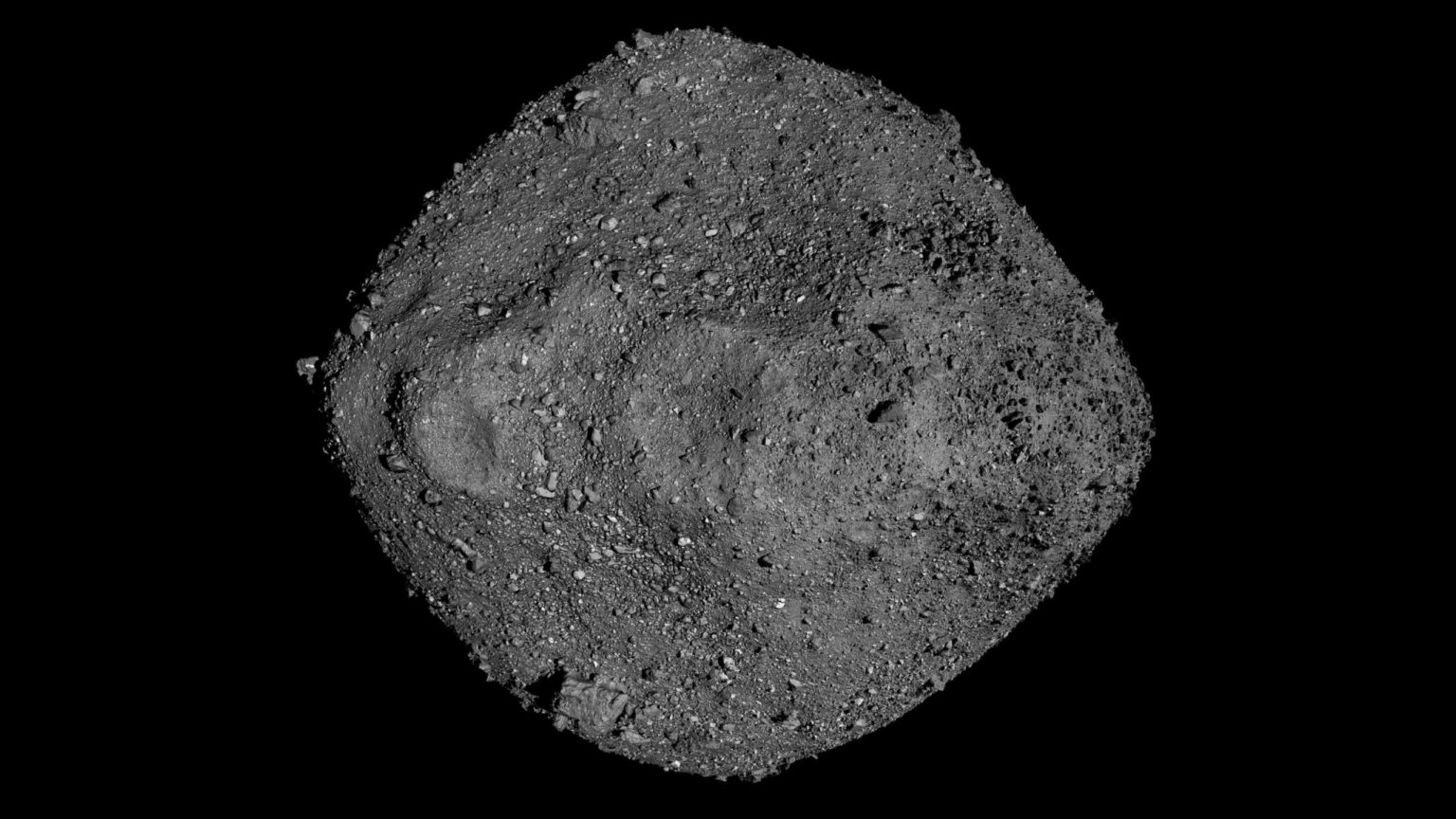
Science takes time. Therefore, it was not until the summer of 2024 that the scientists’ patience was rewarded with impressive discoveries. The first large-scale study, published in Nature Geoscience, not only confirmed previous assumptions, but also revealed surprising facts about the origin of our cosmic home.
Cradle of the Solar System
Bennu turned out to be a real space time capsule. This rocky body, rich in carbon and nitrogen, formed nearly 4.5 billion years ago — at the very beginning of our planetary system’s existence. Analyses have shown that the asteroid contains the original ingredients that formed everything around us, even those components that are considered fundamental to the origin of life.
Even more impressive was the discovery that Bennu was probably part of a primitive oceanic world that was once destroyed by a powerful collision. This is indicated by the large quantities of magnesium-sodium phosphate and clay minerals found, which are usually formed in an aquatic environment.
Mosaic from different corners of space
Three new scientific papers published in the autumn of 2024 added even more details to this fascinating story. Research led by Jessica Barnes and Ann Nguyen showed that Bennu’s progenitor was likely located between Mars and Jupiter. It accumulated materials of various origins — both from within and outside the Solar System, and even interstellar matter that existed before the formation of the Sun.
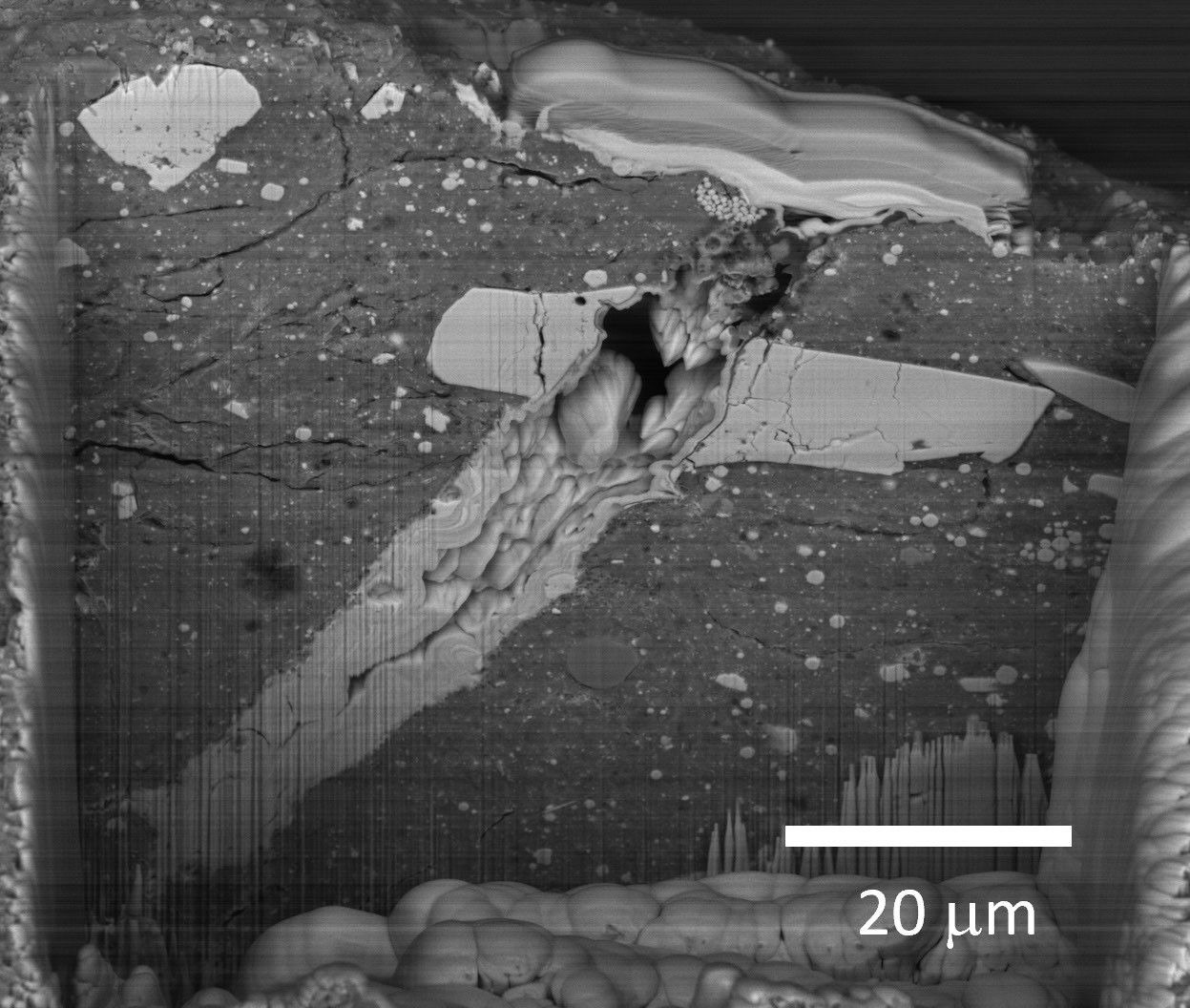
Another group of scientists led by Tom Zega proved that although the primary components of the asteroid have been preserved, some of them have undergone significant changes under the influence of water, which probably reached Bennu from the outskirts of our planetary system.
A third team of researchers discovered traces of intense micrometeorite bombardment that the asteroid had been subjected to over eons. Its surface is covered with numerous microscopic craters and tiny droplets of once molten rock.
What next?
These discoveries are just the beginning. Scientists are only beginning to realize the true significance of the Bennu samples. Meanwhile, NASA is preparing new missions: Artemis III astronauts are expected to deliver new samples from the Moon as early as 2027.
The OSIRIS-REx spacecraft, renamed OSIRIS-APEX, is already heading toward its new target — the asteroid Apophis. This celestial body is causing concern due to a small risk of collision with Earth in the future. In 2029, the spacecraft will not collect samples, but will instead map the surface of Apophis in detail to better understand its nature and potential threat.
The mission to Bennu has forever changed our understanding of the origins of life and the formation of planets. This is a reminder that the most important answers are sometimes hidden in the tiniest fragments of space.
Earlier, we discussed what would happen if the asteroid Bennu fell to Earth.
According to nasa.gov

