

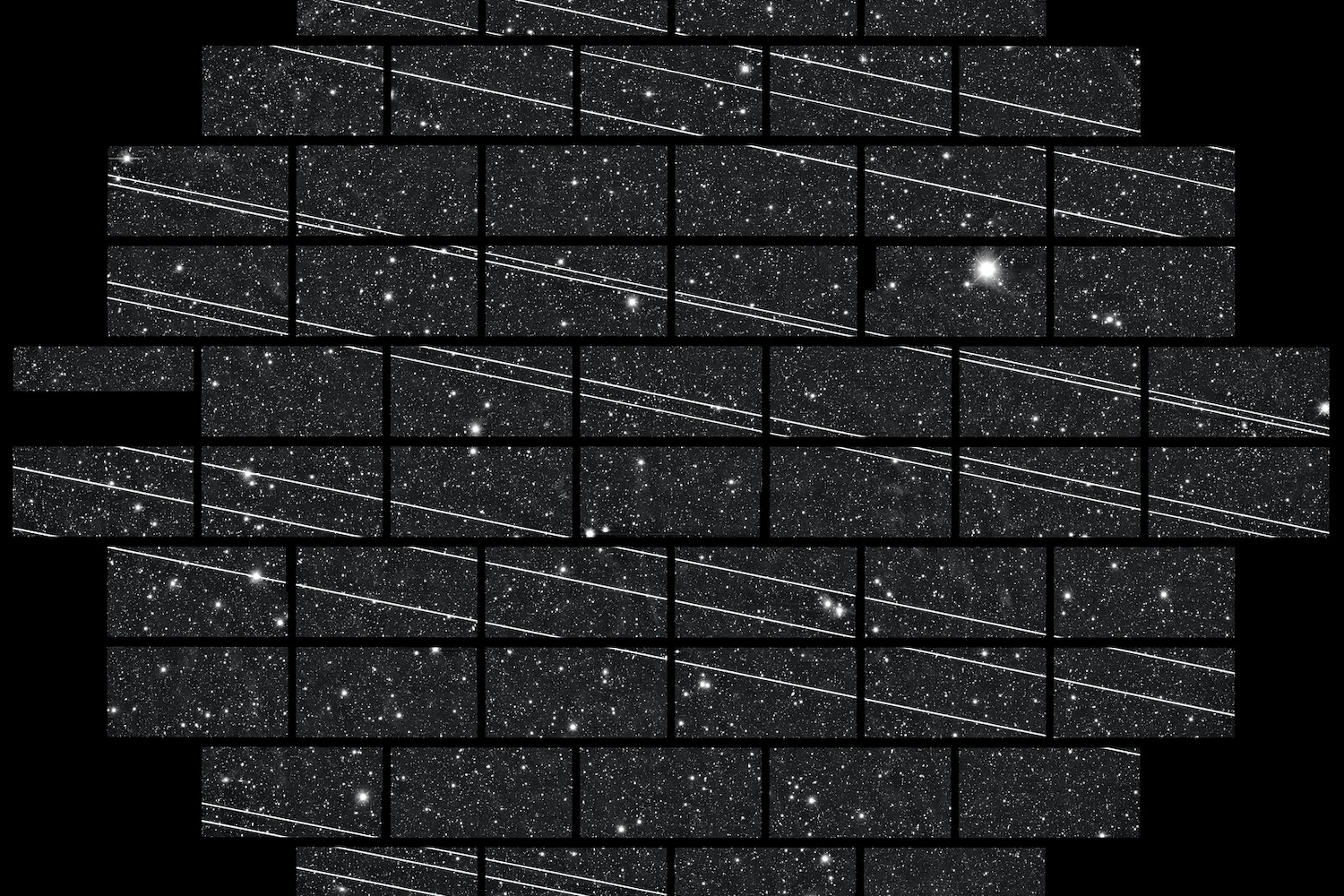
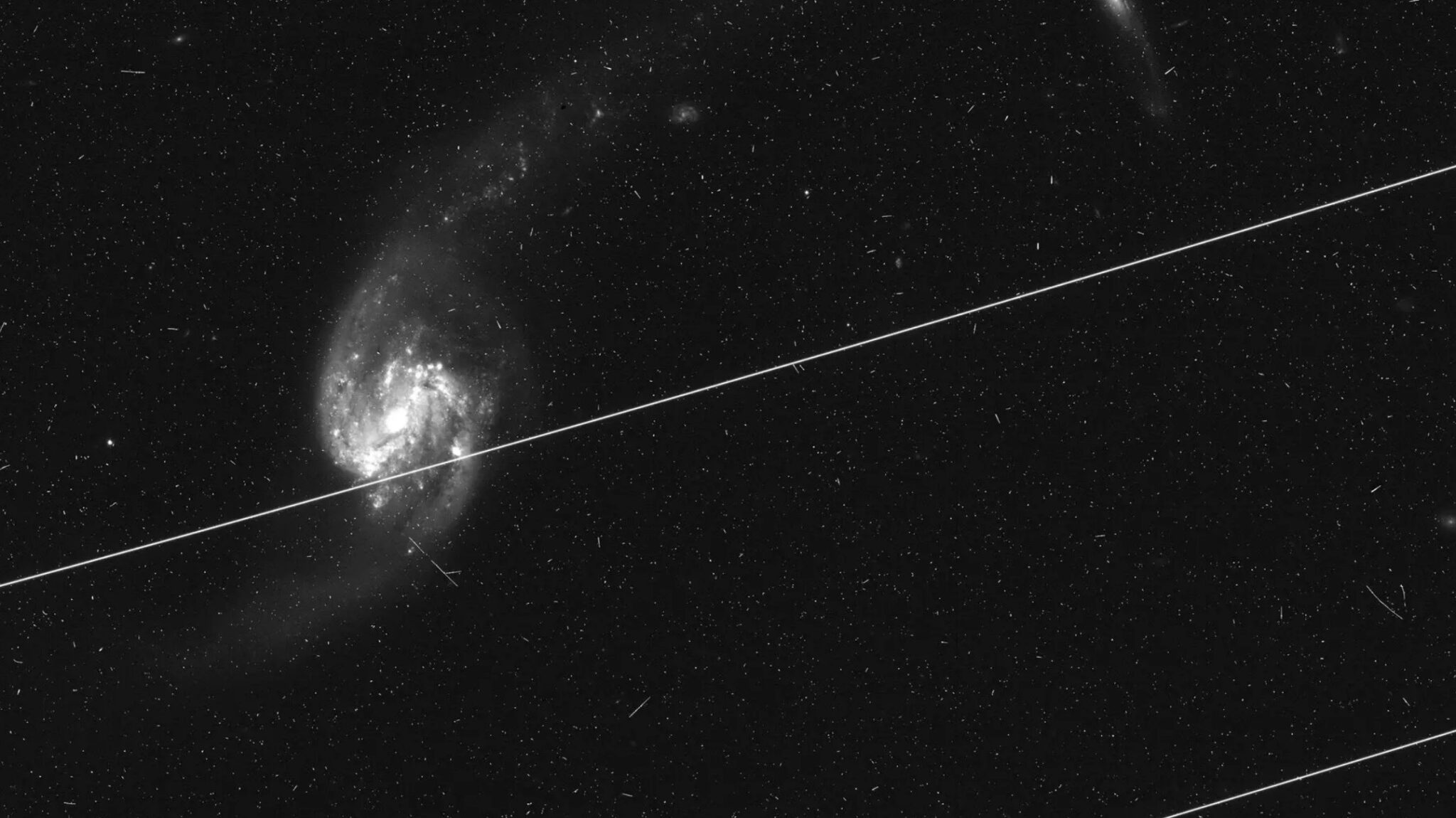
More than 12,000 active satellites are currently orbiting the Earth. Their number continues to grow rapidly — it has doubled over the past three years. This satellite boom poses a serious problem for astronomers: bright streaks from satellites are increasingly appearing in telescopic images and spoiling the view of the night sky. New research confirms that most satellite constellations shine much brighter than permitted by international guidelines.
The International Astronomical Union (IAU), through its Center for the Protection of Dark and Quiet Skies (CPS), has established clear guidelines for satellite brightness. For professional astronomy, the maximum permissible brightness level is +7 stellar magnitude. This means that the objects have to be practically invisible to the naked eye and not interfere with the operation of super-sensitive telescopes. However, as analysis published on arXiv has shown, almost all satellite constellations exceed this threshold, obscuring valuable observations.
Major violators of observations
Astronomers are most concerned about SpaceX’s Starlink megaconstellation, which already has more than 8,000 satellites. After numerous complaints, SpaceX, in collaboration with astronomers, took measures to dim its satellites. The brightness of the new models was reduced from +3 to +6 magnitude. However, the new Gen 2 Mini satellites, although smaller in size, operate in a lower orbit, making them more visible.
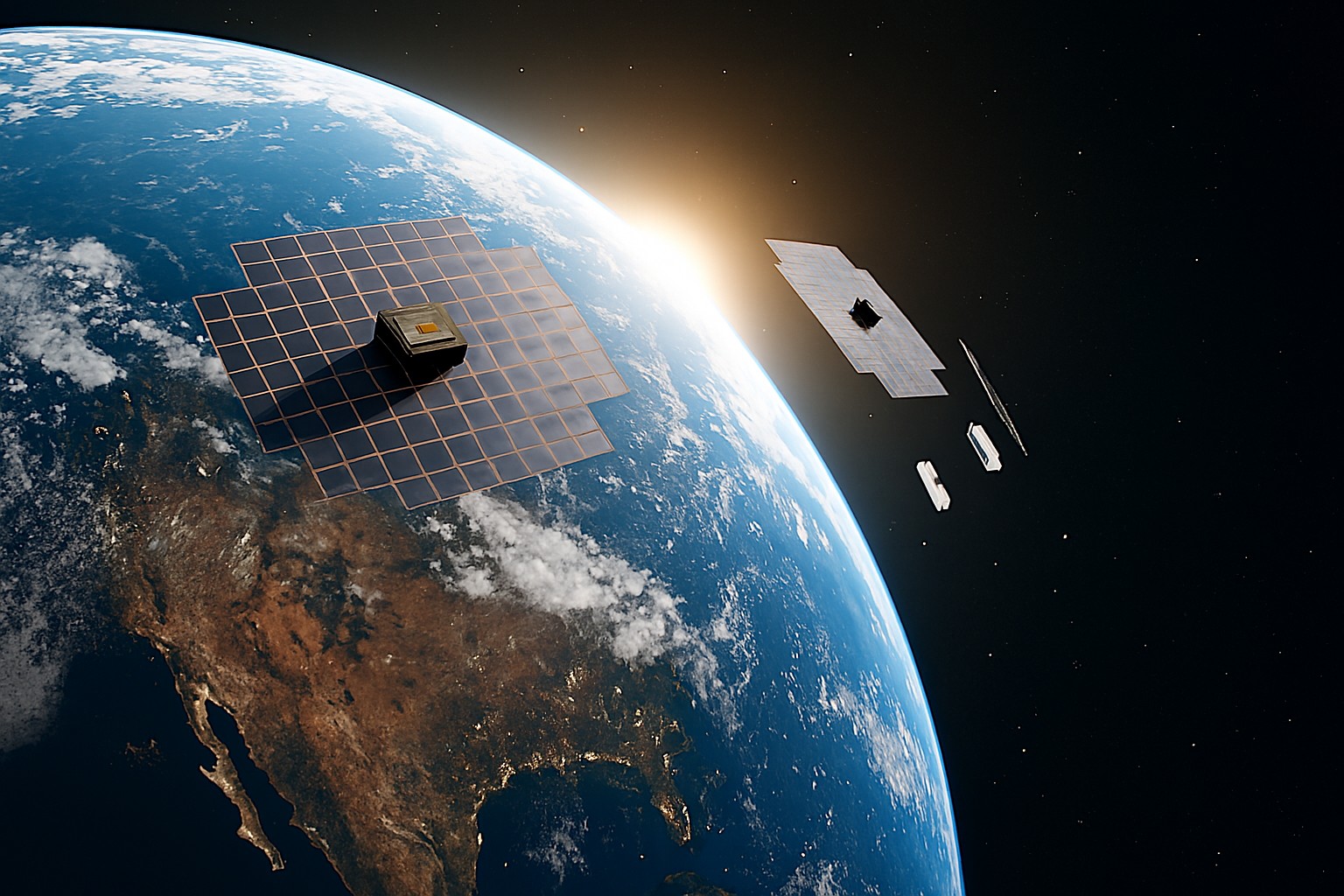
The Texas startup AST SpaceMobile emerged as the absolute leader in brightness. Its companion BlueWalker 3, with an antenna area of over 60 m², shines with a brightness of about +2 magnitude, surpassing most stars in visibility. The company plans to deploy 100 such devices in Earth orbit, which could permanently change the appearance of the night sky.
Role model
Among all operators, only one company complies with the established standards. The British company OneWeb has 652 satellites at an altitude of 1,200 km, but their average brightness is +7.85 magnitude, which fully complies with CPS recommendations. This example proves that it is technologically possible to develop networks without harming science — if there is a desire to do so.
For now, CPS recommendations are not binding. The center aims to engage more actively with governments and regulators to establish legal norms for the rapidly developing space industry. However, their appeals have not yet received serious attention.
The future of astronomy will depend on whether we can strike a balance between technological progress and preserving the ability to study the Universe. Without clear rules, our access to the stars may be lost forever.
We previously reported on how cell phone signals interfere with astronomers’ efforts to create a perfect navigation system.
According to gizmodo.com

