

In recent days, the brightness of comet C/2025 A6 (Lemmon) has increased significantly. This is demonstrated by photographs taken around the world, capturing the evolution of the icy visitor and its tail.
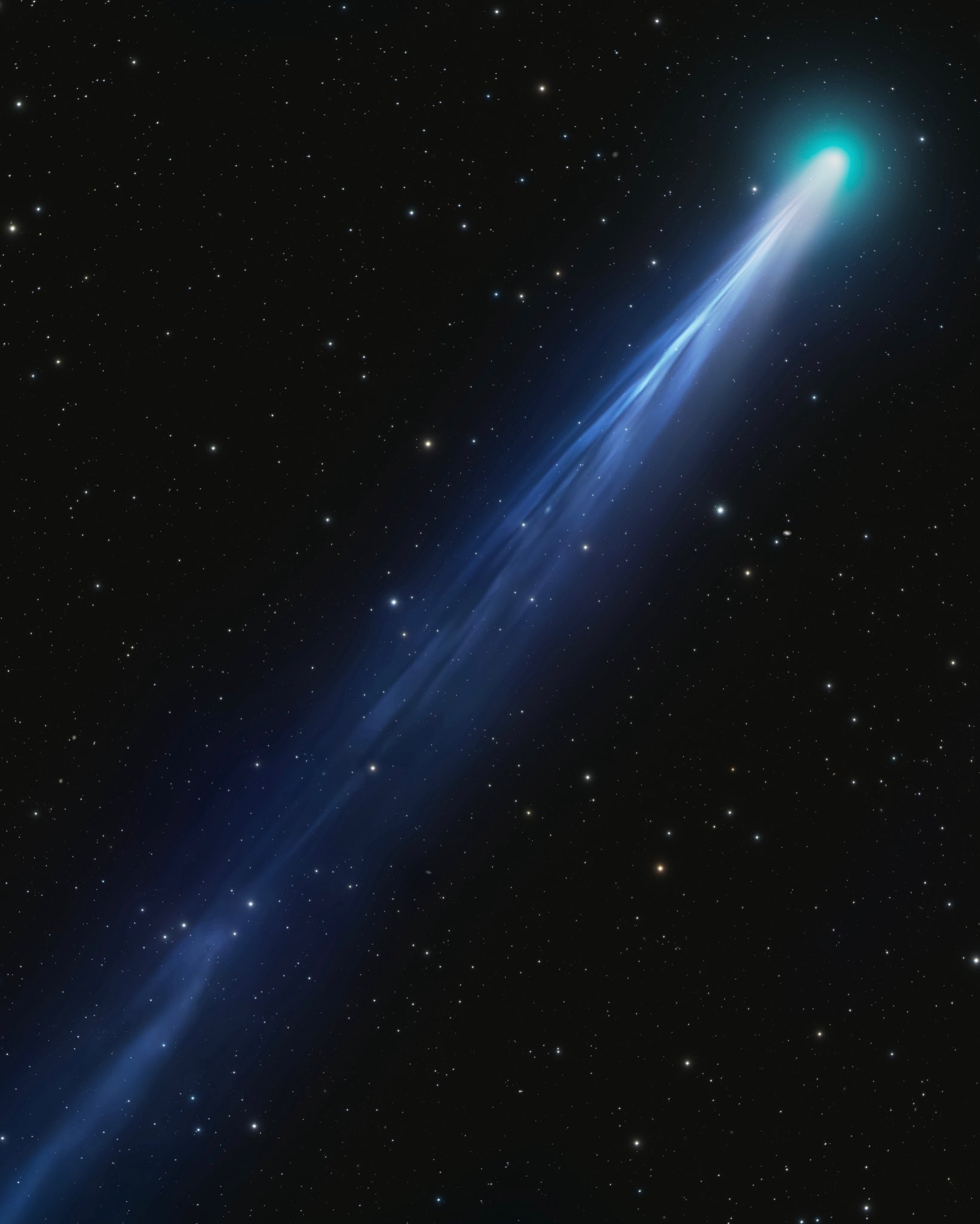
Comet Lemmon was discovered in early 2025. Initially, the discovery was not given much importance — it was expected that the comet would be barely noticeable. However, from early July to mid-August, its brightness unexpectedly increased from +16 to +9 magnitude, and astronomers had to radically revise their predictions of its brightness, increasing it by orders of magnitude.
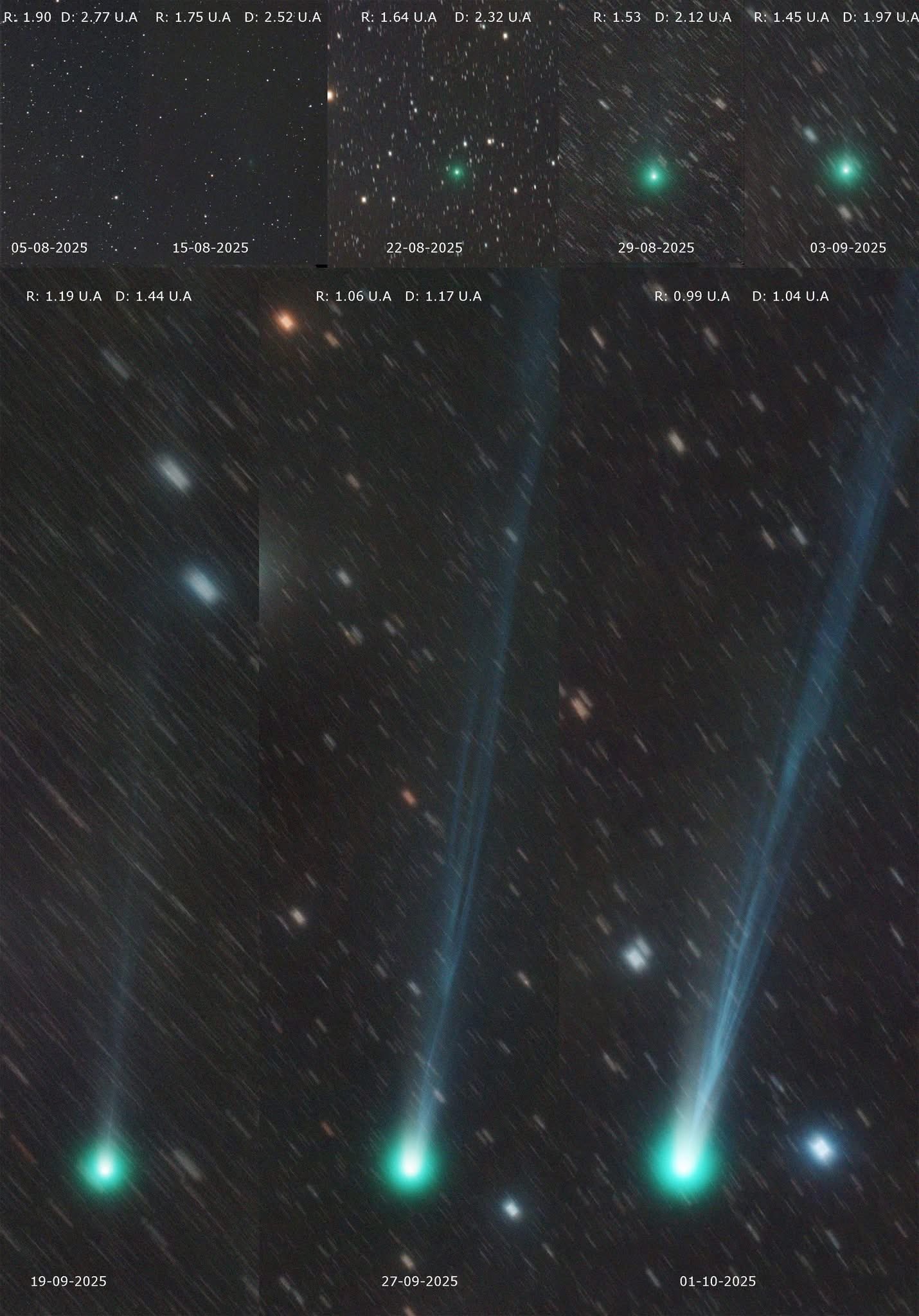
Images taken over the past few days clearly demonstrate the potential of Comet Lemmon. It has acquired a long tail, which continues to grow. Its brightness is also increasing. Currently, its magnitude has reached +6. This means that under ideal viewing conditions and in the absence of light pollution, it can be seen in the sky with the naked eye. It is important to note that residents of the Northern Hemisphere are particularly fortunate. The comet will be visible in the sky throughout October—first in the morning, and then in the evening hours.
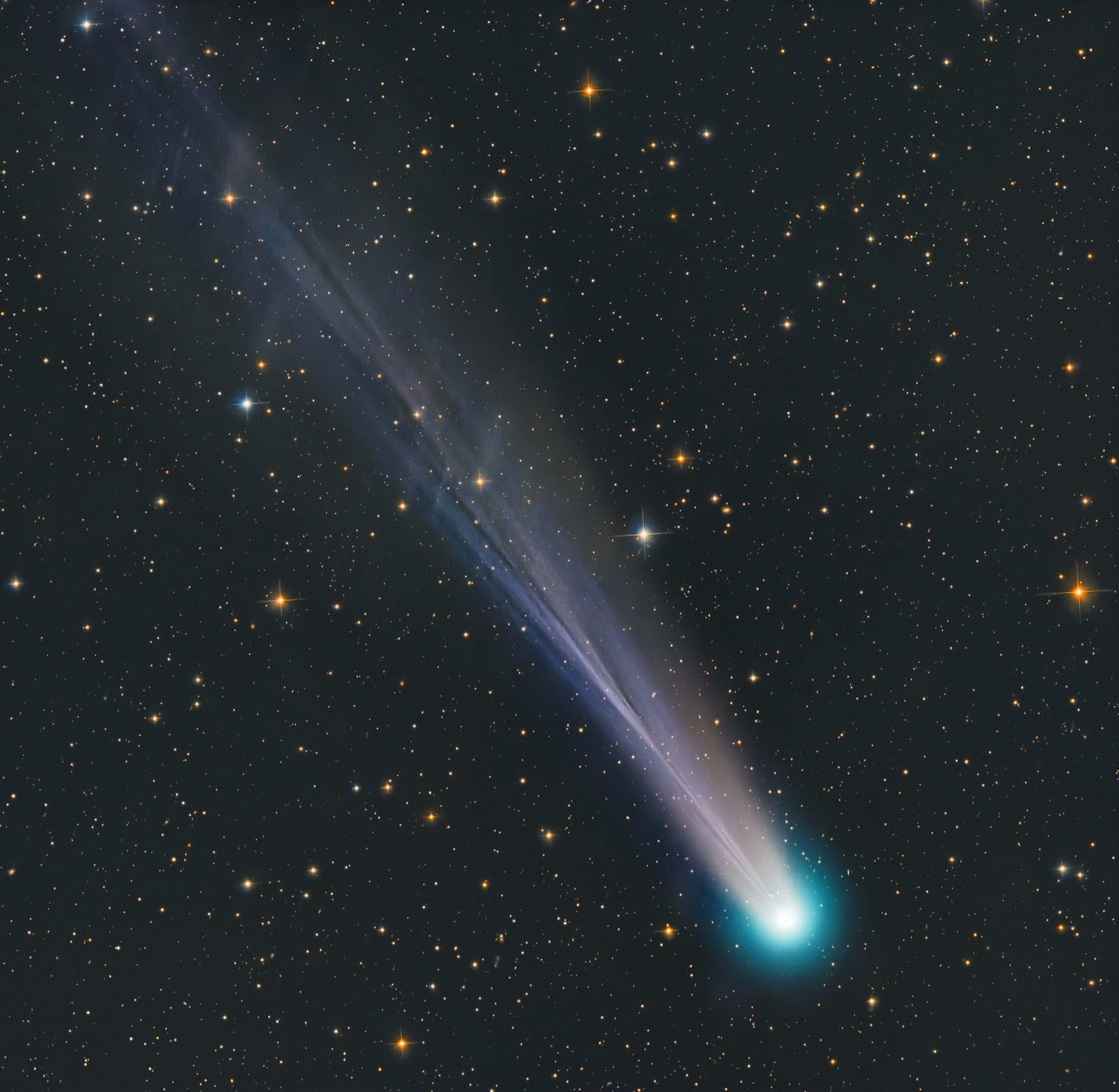
As it approaches the Sun, the brightness of Comet Lemmon will continue to increase. According to the most optimistic estimates, at its peak, its brightness will reach +2.5 magnitude. In this case, it will be visible to the naked eye even from within the city limits. Whether this is true or not, we will find out very soon.
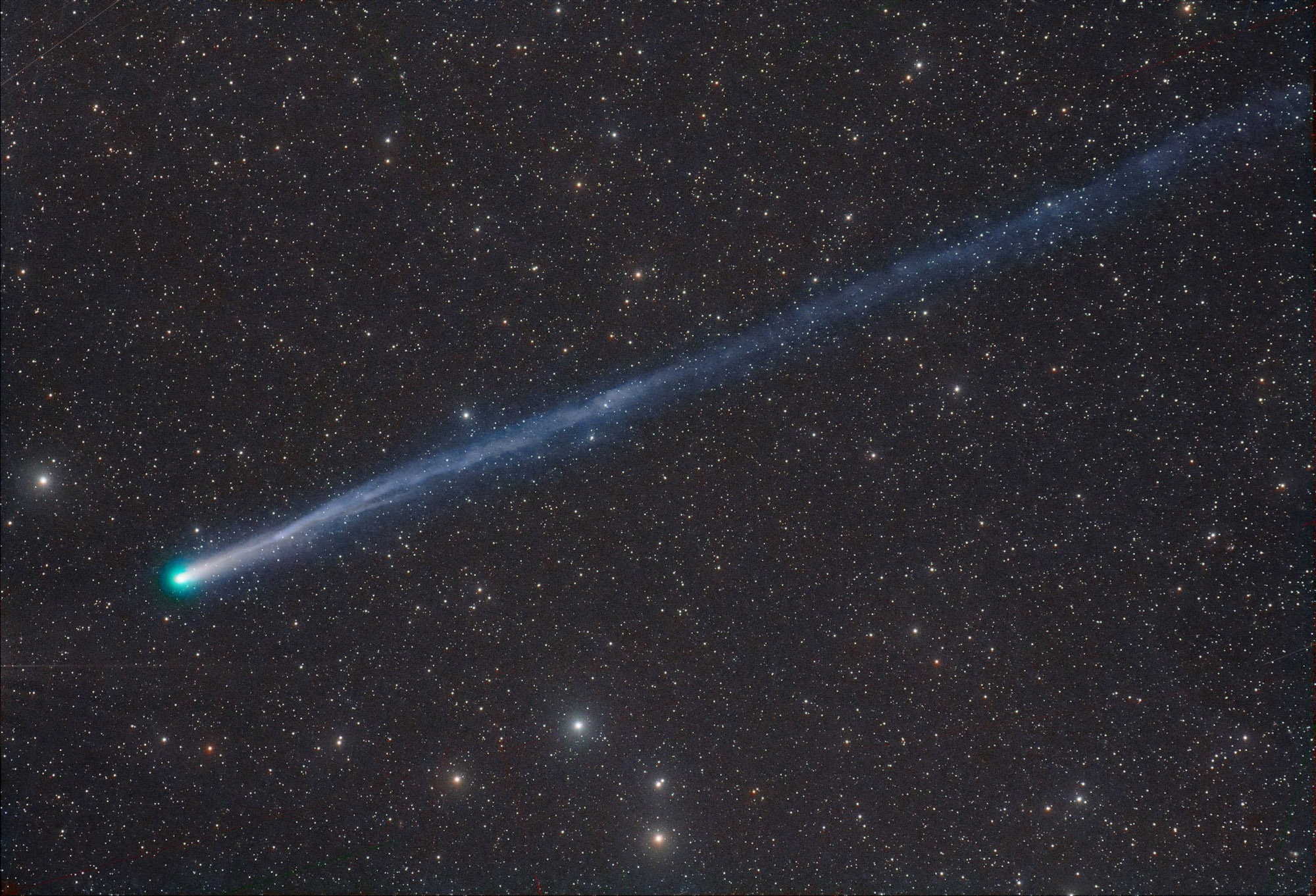
On October 21, Comet Lemmon will pass at a minimum distance of 0.68 AU (101 million km) from Earth. On November 8, it will pass the perihelion of its orbit, approaching the Sun at a distance of 0.53 AU (80 million km), after which it will begin its return journey to the outskirts of the Solar System. Its next visit to the Sun will take place in 1,150 years.
You can find out more about Comet Lemmon and the conditions for observing it in our article.

