

The Blue Moon MK1 lunar lander has successfully passed vibration tests, according to Blue Origin CEO David Limbaugh.
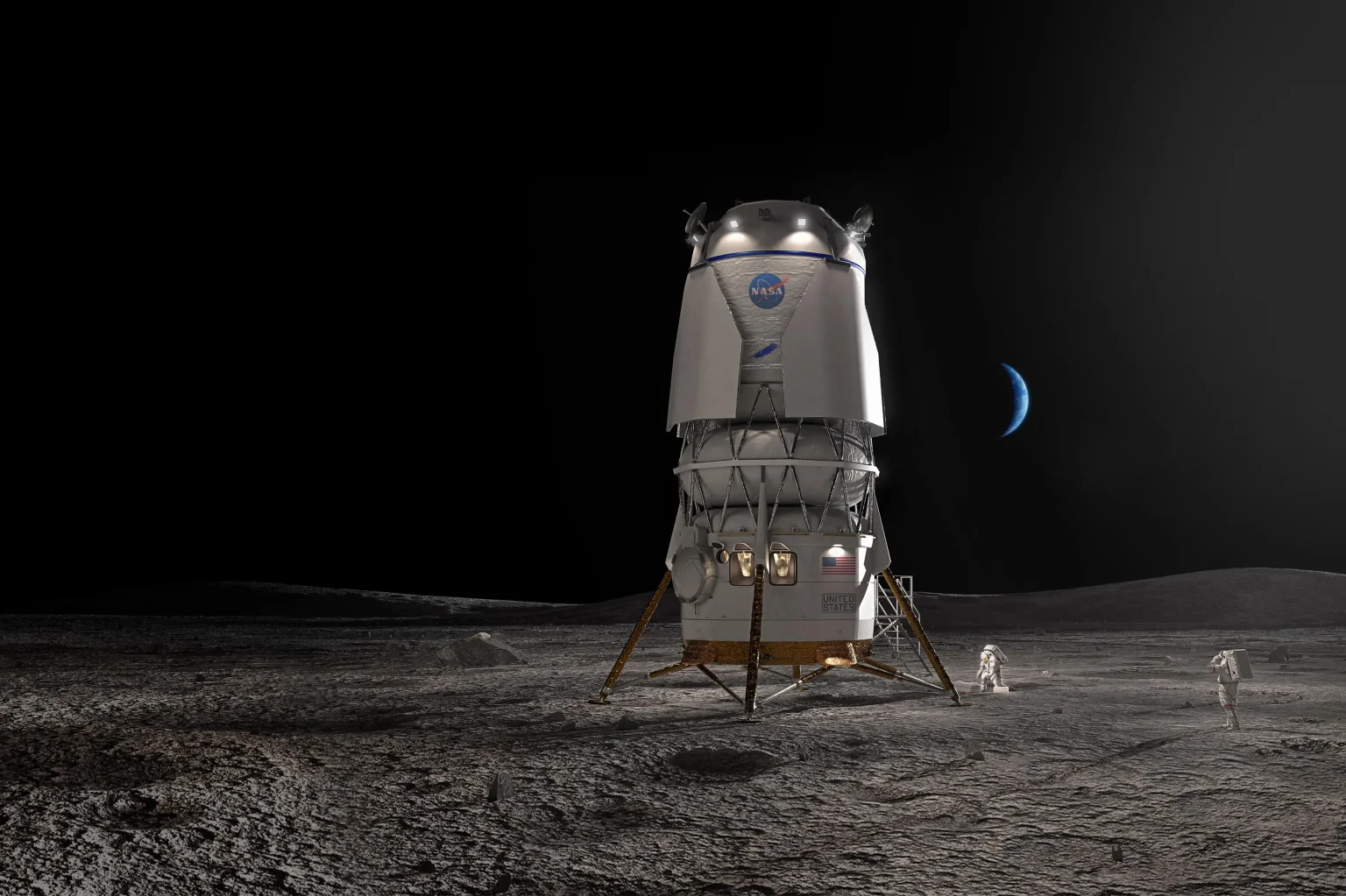
Blue Moon MK1 is an automatic vehicle designed to deliver cargo to the Moon. It is 8.05 meters high, 3.08 meters in diameter, and weighs 21.35 tons (including fuel). It can deliver up to three tons of payload to the lunar surface. The vehicle can also be used as a base station to supply energy and communications for future lunar expeditions.
At present, construction of the first Blue Moon MK1 flight model has been completed. In preparation for its debut lunar mission, the spacecraft is undergoing a series of tests designed to demonstrate its ability to withstand the conditions of space flight. One of these tests was acoustic-vibration testing, during which specialists checked how the Blue Moon MK1 would cope with the vibrations generated during launch. To achieve this, they surrounded the spacecraft with a ring of ten-meter-long loudspeakers to create an almost diffuse acoustic field corresponding to the conditions inside the rocket fairing, with a total sound pressure level of over 138 decibels.
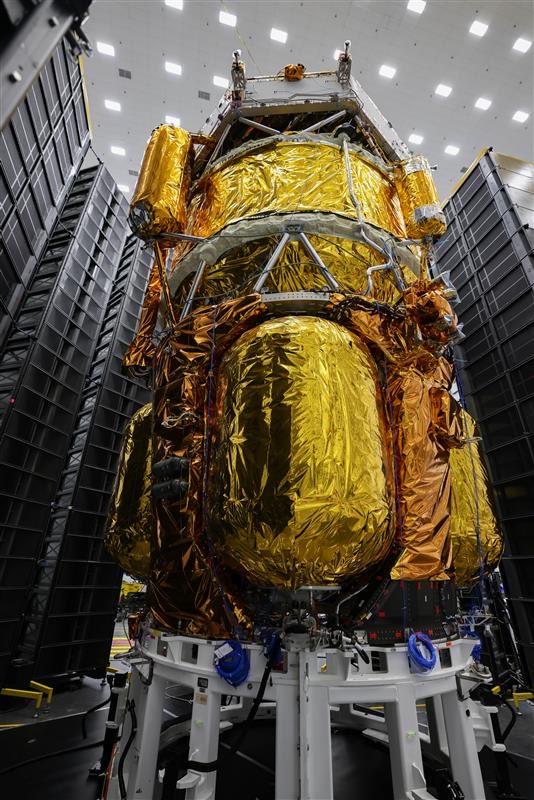
During testing, Blue Moon MK1 had a configuration similar to its flight one: its tanks were filled with helium and nitrogen, and its batteries were charged. In total, the test lasted two minutes and was successful. Now, Blue Moon MK1 will be transported to the Johnson Space Center, where it will undergo a series of tests in a thermal vacuum chamber.
The super-heavy New Glenn rocket will be used to launch Blue Moon MK1. The main objective of the mission will be to test the systems and components that will be used in a more powerful manned version of the spacecraft and to develop precision landing technology for the Moon. The spacecraft will carry a set of instruments provided by NASA, as well as cargo from various commercial customers.
As of now, the exact launch date for Blue Moon MK1 is unknown. It’s estimated to happen sometime in mid-2026.

