

AST SpaceMobile announced the successful deployment of the BlueBird 6 satellite into low Earth orbit. The company calls it the largest commercial communications antenna array ever deployed in LEO: the aperture area is approximately 223 m² (≈ 2400 ft²). According to the developers’ plan, such a space-based cellular repeater should provide 4G/5G connectivity directly to conventional, unmodified smartphones — including voice, data, and video.
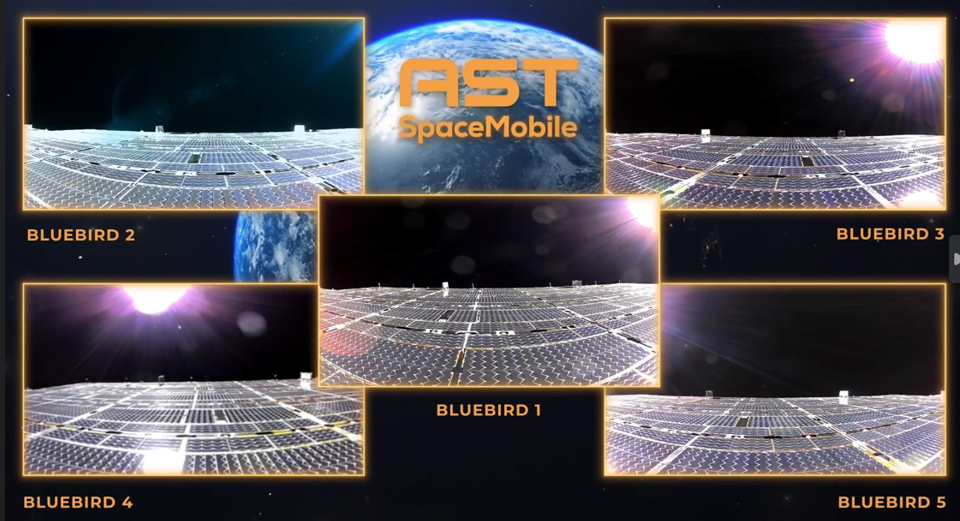
AST SpaceMobile emphasizes that a large aperture is not just a giant antenna, but the key to stable signal reception/transmission with pocket devices and accurate beamforming. Narrower, more controllable beams reduce mutual interference, increase network capacity, and maintain more predictable service quality in specific coverage areas.
The company also states that BlueBird 6 is designed for peak speeds of up to 120 Mbps and should provide 10 times more bandwidth than the BlueBird 1–5 series satellites. The roadmap calls for 45–60 devices by the end of 2026, with launches every one to two months on average.
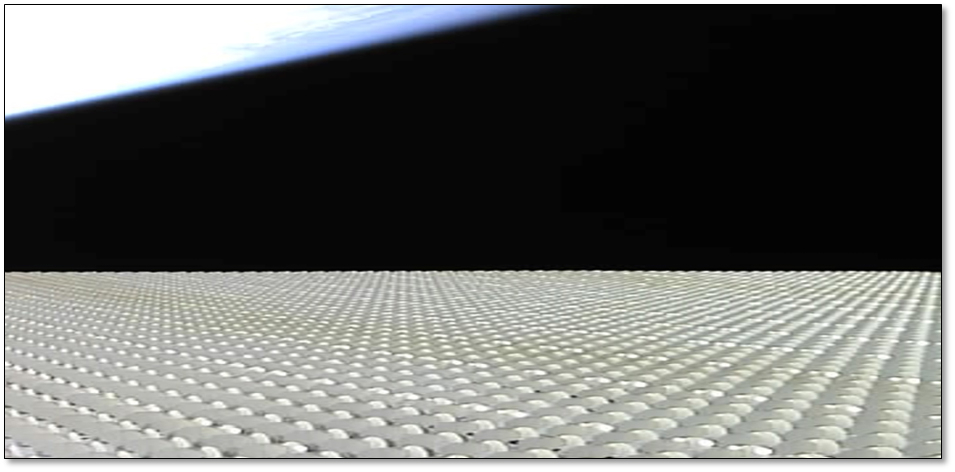
How does it work? BlueBird 6 operates like a space base station: in orbit, the satellite deploys a giant phased array antenna that forms controllable narrow beams to specific areas on Earth. Thanks to its large aperture, the antenna picks up very weak signals from a standard smartphone (which does not have a powerful transmitter or directional antenna) and at the same time can more accurately illuminate the subscriber from orbit, improving the energy balance of the communication line. The satellite then routes the traffic either directly to the operator’s network via ground gateways or through other infrastructure elements, coordinating frequencies, time slots, and channel resources to minimize interference and support 4G/5G services (voice/data) without a dedicated terminal.
Why is this important? Global direct satellite-cellular communication can become the data infrastructure for remote scientific sites: high-altitude observatories, radio telescope stations, Antarctic bases, mobile expeditions, and autonomous sensor networks. Stable data and telemetry transmission channels simplify remote equipment control, fast delivery of large observation arrays, and communication backup where ground networks are weak or non-existent.
According to businesswire

