

The CalgaryToSpace team from the University of Calgary is completing preparations for its first satellite, FrontierSat (CTS-SAT-1) – likely the first student-built spacecraft in the city’s history. The 3U CubeSat (approximately 30 cm in length) will investigate the rare light phenomenon STEVE in the upper atmosphere and collect data on space weather.
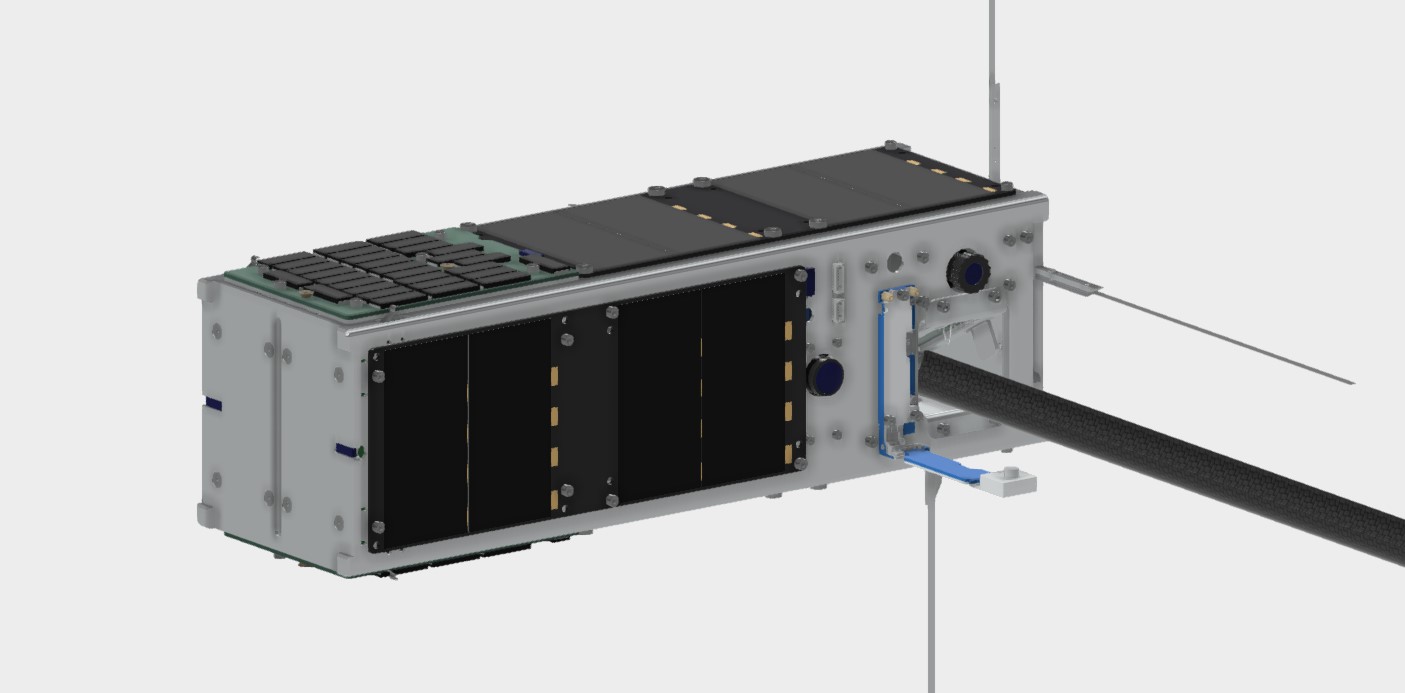
The device carries two key payloads: a miniature plasma imager (MPI) developed at the University of Calgary and a folding composite grid mast with a surveillance camera. MPI is based on the experience of Canadian engineers who participated in the ESA Swarm mission and is designed for detailed measurements of ion winds in the ionosphere.
According to the plan, FrontierSat will operate at an altitude of approximately 510 km for up to seven years (the final service life will depend on solar activity). The launch is scheduled to take place on Falcon 9 via the provider Exolaunch. The initial plan for an autumn launch has been postponed, and the team is now targeting early 2026.
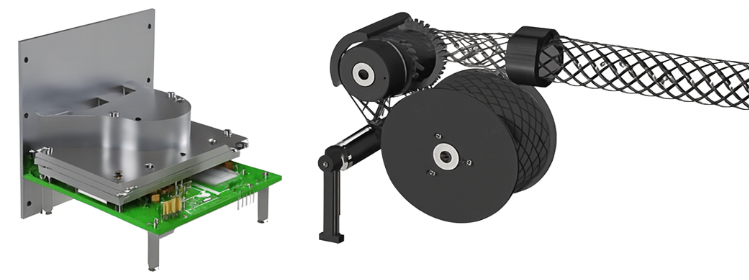
The project is being implemented by the student organization CalgaryToSpace (founded in 2020) with the support of the Canadian Space Agency, university programs, and charitable foundations. More than 100 students from the Shulich School of Engineering and the Faculty of Science are involved in the project.
STEVE – a narrow purple band in the sky associated with hot plasma flows in the subauroral zone. New satellite measurements from the compact CubeSat will supplement global data from ESA’s Swarm mission and public observers, helping to better calibrate space weather models and assess risks to radio communications, navigation, and atmospheric drag on satellites. In particular, MPI is capable of providing in-situ profiles of ion velocities and temperatures necessary for resolving open questions in STEVE physics.
Would you also like your idea to fly into space? Start with practical steps: in the article “How your idea can go into space: NASA’s open challenges,” you will find current competitions, requirements, and tips on how to prepare your application, team, and minimize risks.
And if you represent a university or student laboratory, the article “How and why universities should buy a mini-rocket with a payload of 1 kg or more” explains how to quickly move from prototype to orbital experiments, what infrastructure to choose, and how to calculate your budget. Both materials provide a concise route from idea to launch: instruments, partners, deadlines, and realistic scenarios for your project.

