

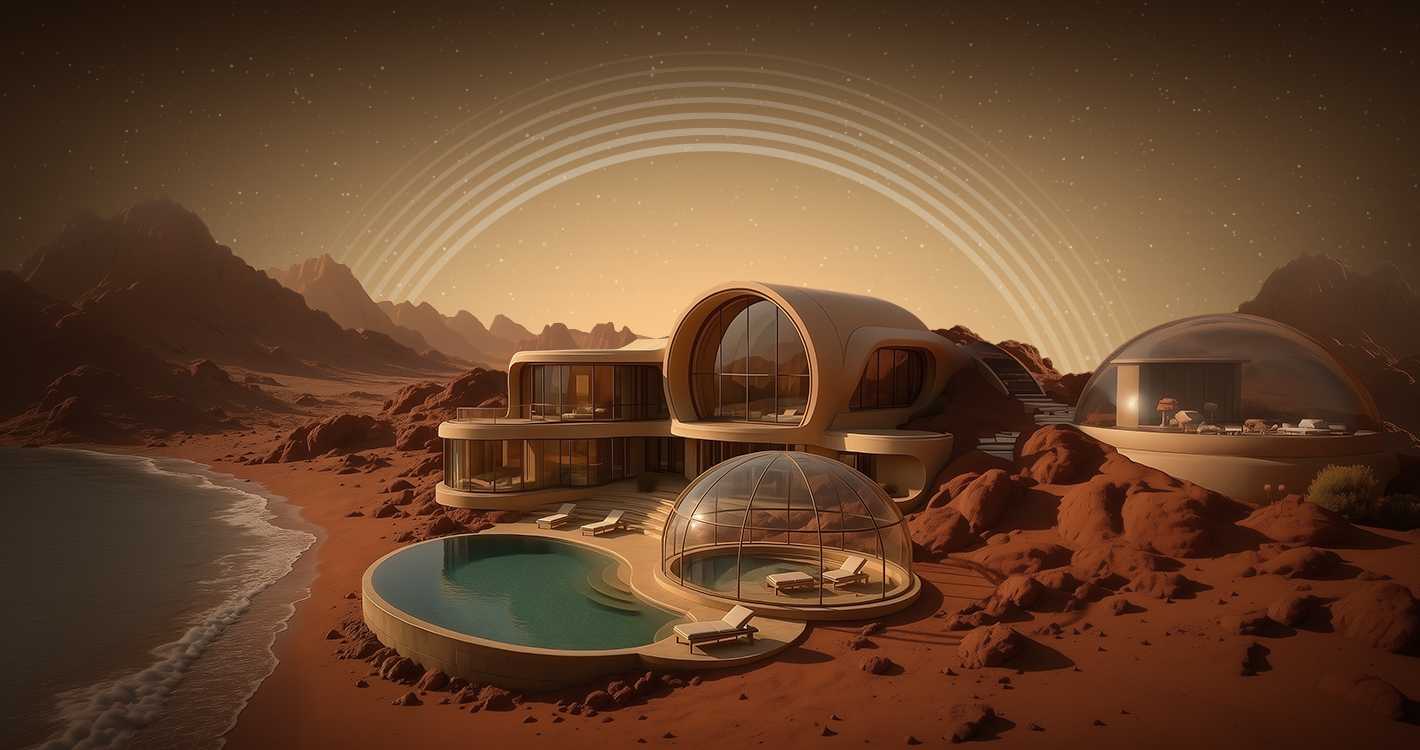
Have you ever dreamed of flying away during the autumn cold to a place where it is always warm, but not too warm, with moderately humid air and, if possible, no strong winds? Could a planet with such conditions exist? Could such a space resort exist in reality?
Zone of life
Autumn has arrived in the Northern Hemisphere, including Ukraine. The days have grown colder, and the nights have grown longer. The leaves are falling from the trees, and it is generally a sad time of year. It makes you want to go somewhere where there is no winter. Or fly away. Have you ever dreamed of a resort planet? One where it is neither too cold nor too hot anywhere on the surface.
There are places on Earth where such conditions prevail all year round. We call them subtropical or Mediterranean climates. But is it possible for an entire planet to have such a climate? Or at least for it to have only tropics and temperate latitudes closer to the poles, without the rainforests of the equator, arid deserts and semi-deserts, and the icy expanses of the Arctic and Antarctic?
In general, it should be noted that a planet that is simply suitable for life on Earth would already be a real sensation. After all, many still believe that Earth occupies a unique place in the universe in terms of its characteristics and that there is no other planet like it, let alone one with better conditions than our planet.
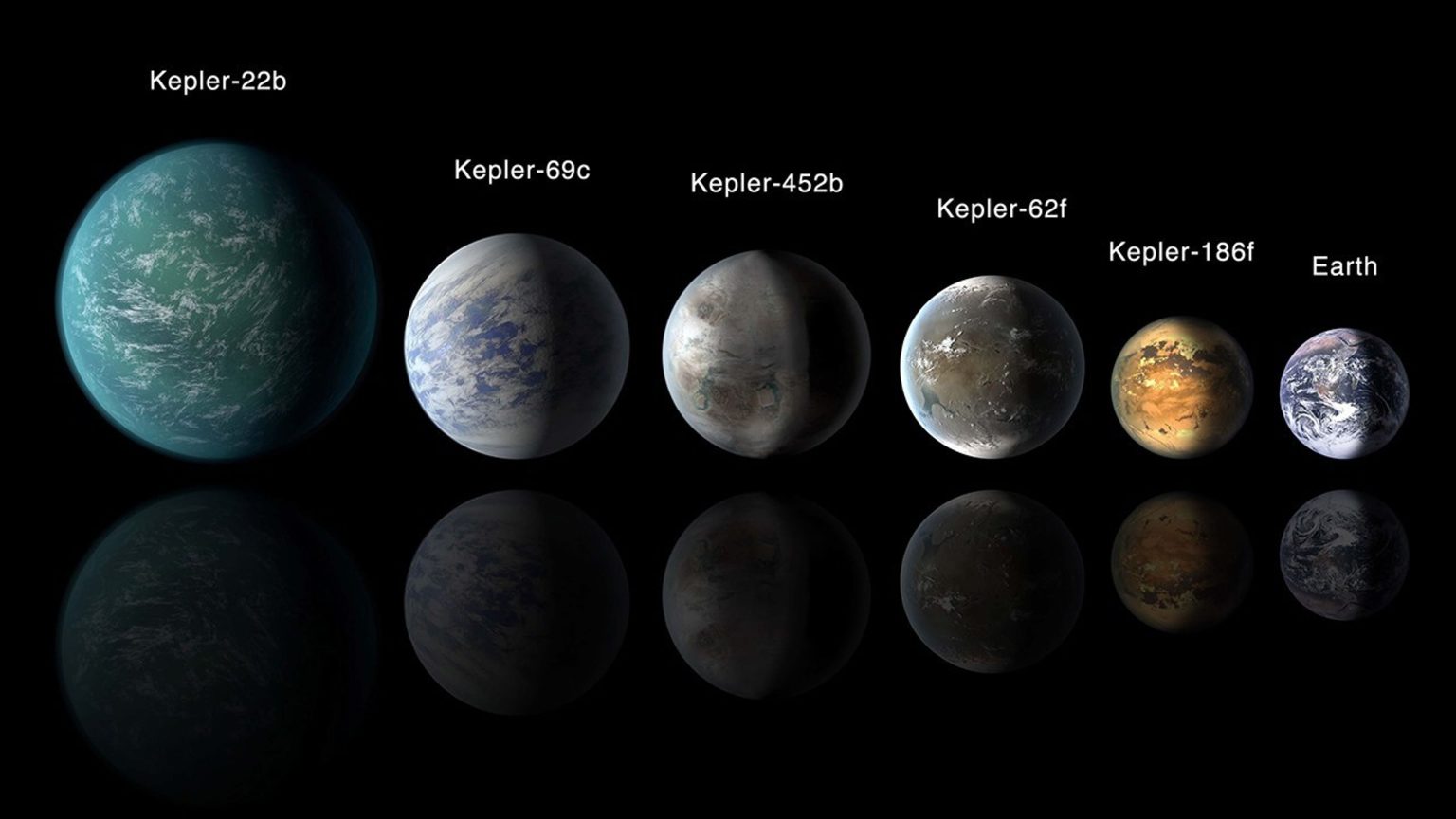
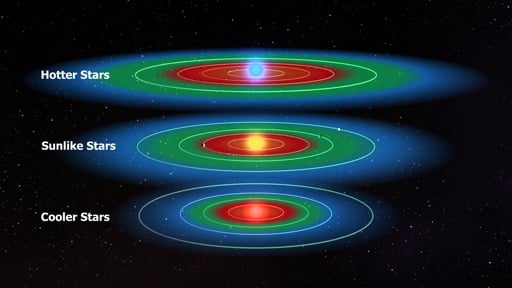
Although in reality, there is nothing incredible about the existence of a planet similar to Earth. The main thing is that it should be comparable in size to Earth and located within the habitable zone, where it would receive neither too much nor too little heat for liquid water to exist on its surface.
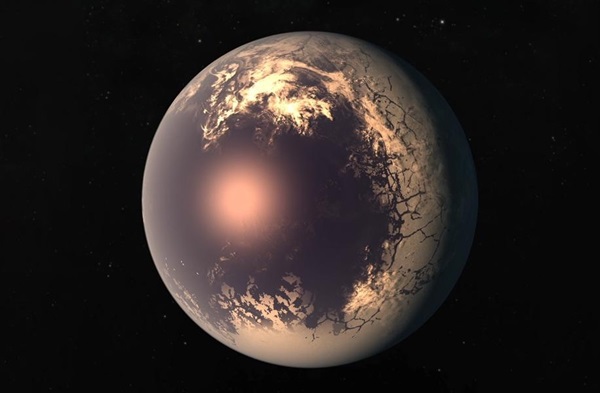
However, this is actually an oversimplification, because climate is not just about the amount of sunlight. For example, a planet with synchronous rotation, i.e., one that always faces its star with the same side, will almost certainly not be a resort. Life on it will most likely exist, but it will exist in climatic conditions that are relatively extreme for Earth.
This means that at least some of the worlds orbiting red dwarfs are unlikely to be considered resorts. However, certain areas of their surface may still have fairly favorable conditions, even pleasant ones for relaxation.
Short year, length of day, and axial tilt
In general, with stars whose luminosity is significantly lower than that of the Sun, everything is quite ambiguous. Because in reality, a small distance from the star to the habitable zone means a very short orbital period, which means that annual temperature fluctuations cannot be significant, because the atmosphere and hydrosphere need time to heat up and cool down.
On the other hand, these planets will mostly have tidal locking or very long days (40, 60, or 80 hours). This means that the planet can experience significant annual temperature fluctuations, but it can cool down significantly overnight.
However, regardless of how close a planet is to its star, the most significant astronomical parameter affecting its climate is the axial tilt. If the Earth’s axis were perpendicular to the ecliptic, we would not know what seasonal changes were, and the difference between the polar and equatorial regions would not be so pronounced. So it is quite possible that this situation exists on some other planet.
Oceans and atmosphere
Therefore, for a planet to resemble a resort, it must orbit close to a circular path at a distance from its star such that the surface temperature is 15-30 degrees above the freezing point of water. At the same time, its axis of rotation must be perpendicular to the plane of the ecliptic. It is also desirable that the planet’s period of rotation around the star be shorter than that of Earth, but not so short that it becomes tidally locked.
But this is not all. The atmosphere and hydrosphere have a much stronger impact on the climate. They act as heat accumulators and transferors. Therefore, worlds with little water and thin atmospheres cannot be resorts.
A good option would be a planet slightly larger and more massive than Earth. It is believed that they can hold more water and gases, but we should not get carried away here, because a world that is too large will most likely turn into an ocean world, or even a mini-Neptune. An atmosphere only slightly denser than Earth’s, combined with a global ocean, will provide a greenhouse effect and powerful currents that distribute heat throughout the planet.
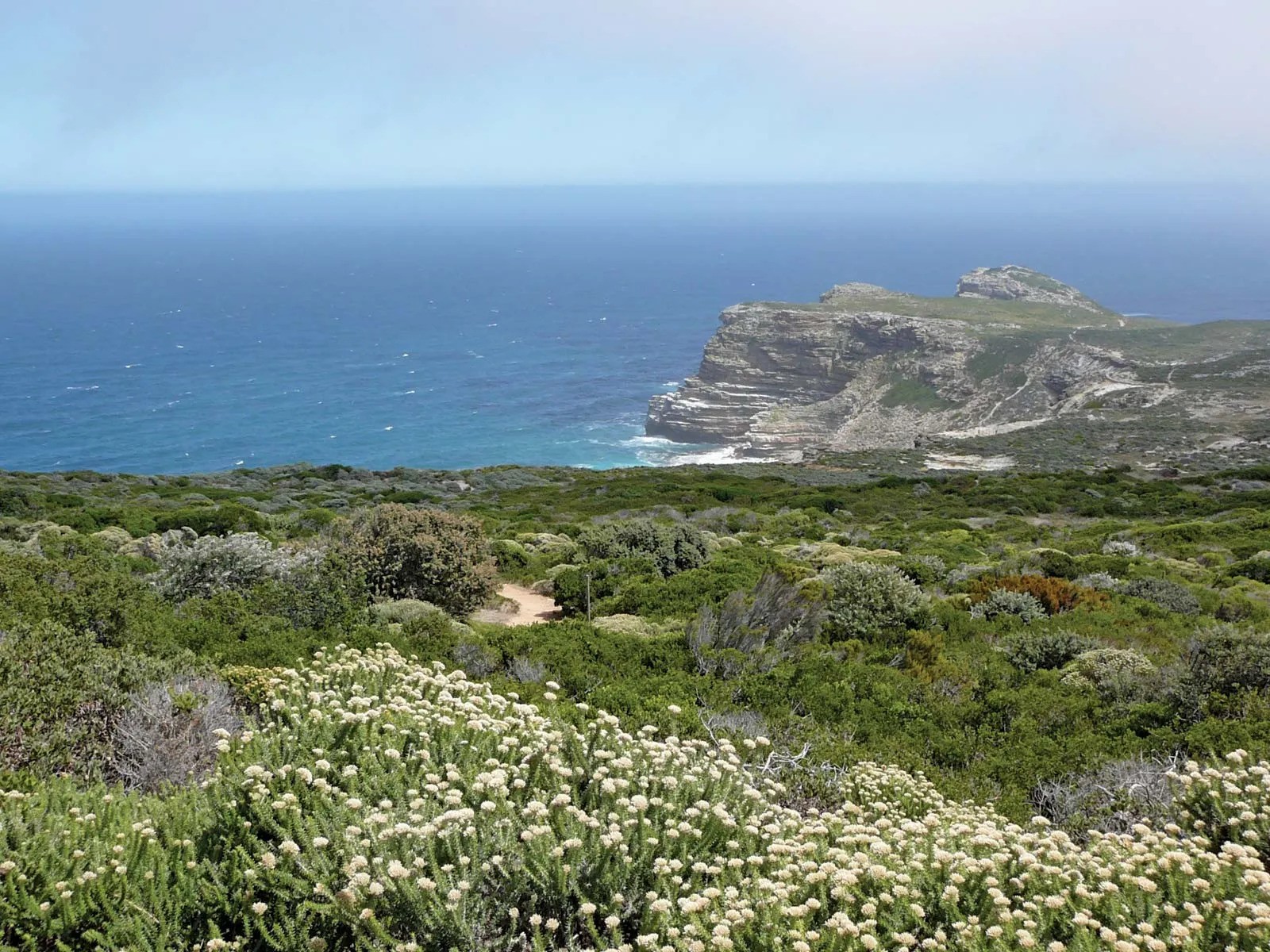
Incidentally, taking this into account, it should actually be a little further away from the star so that, theoretically, the latter could heat it to somewhere between 10 and 15°C. Then the greenhouse effect would heat it to exactly the right temperature, rather than turning it into Venus.
But how can we ensure that areas of pleasant warmth occupy most of the planet’s surface, rather than just small areas, as is the case on Earth? The location of the continents has a major influence here. Of course, over millions of years, they do not remain stationary. The movement of lithospheric plates is a necessary condition for the normal functioning of the carbon cycle, which also has a strong influence on the greenhouse effect.
However, it is still possible to imagine a configuration of the continents in which the planet would heat up more or less evenly. First, there should not be such large land masses as Eurasia. Such continents act as a kind of heat and cold accumulators, causing significant seasonal temperature fluctuations.
Secondly, the polar regions of the planet must remain covered with water. The reason is the same as in the first point. Antarctica is the largest “refrigerator” on our planet. This is good for the Earth, but not in cases where cooling is unnecessary.
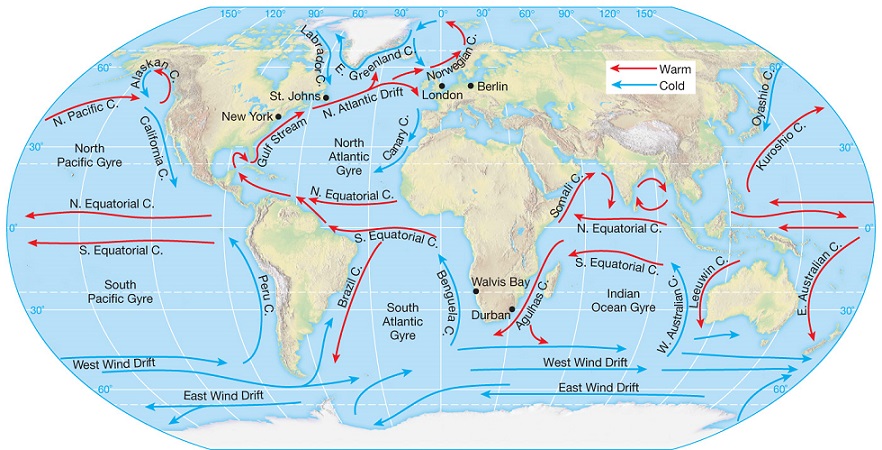
Thirdly, the planet’s equator must remain free of dry land. This will allow energy not to concentrate in deserts and tropical forests, but to be redistributed by warm ocean currents, such as those that exist in the Pacific Ocean.
The optimal scenario would be the existence of 6-10 relatively small continents in the tropical and temperate zones, with several archipelagos between them. The absence of large mountain ranges would also have a positive effect on the climate. Of course, they can act as a barrier to cold air, but they also lead to the formation of altitude zones.
If all these conditions are met, it is entirely possible to have a planet where only the equatorial region has a tropical climate, while the far north and far south have a temperate climate. Everything else is subtropical, like one large Italy, Greece, or the southern coast of Crimea.
In fact, not all of the conditions described above need to be met simultaneously to obtain a resort planet. Various combinations of these conditions can be imagined that could produce the desired result. In any case, it can be stated that worlds without cold winters and snow can indeed exist.

