

On February 11, China conducted a test of the emergency rescue system (ERS) for the new Mengzhou spacecraft, as well as a prototype of the first stage of the Long March 10A rocket. The test was successful.
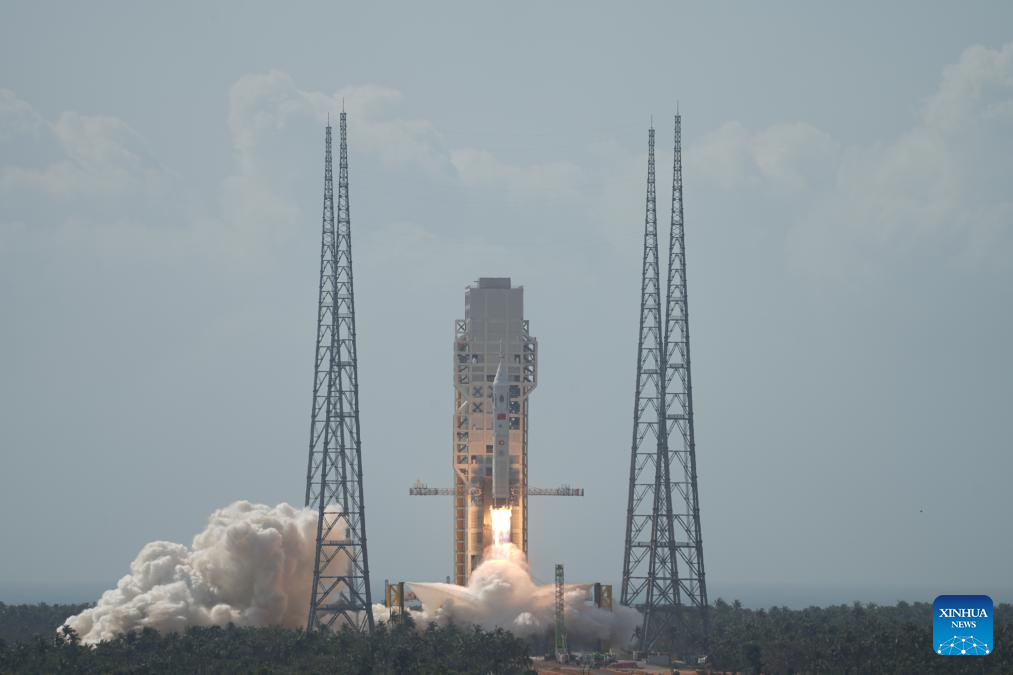
Manzhou is a new generation spacecraft that is set to replace Shenzhou. It will be used for both near-Earth orbit missions and lunar expeditions. Last June, China successfully tested its EES (emergency escape system), but that was a ground test without a rocket.
This time, Shenzhou was launched using a prototype of the first stage of the Long March 10A rocket, which will also be used in China’s lunar program. The spacecraft capsule separated at the moment of passing Max-Q — the point at which the launch vehicle is subjected to maximum stress.
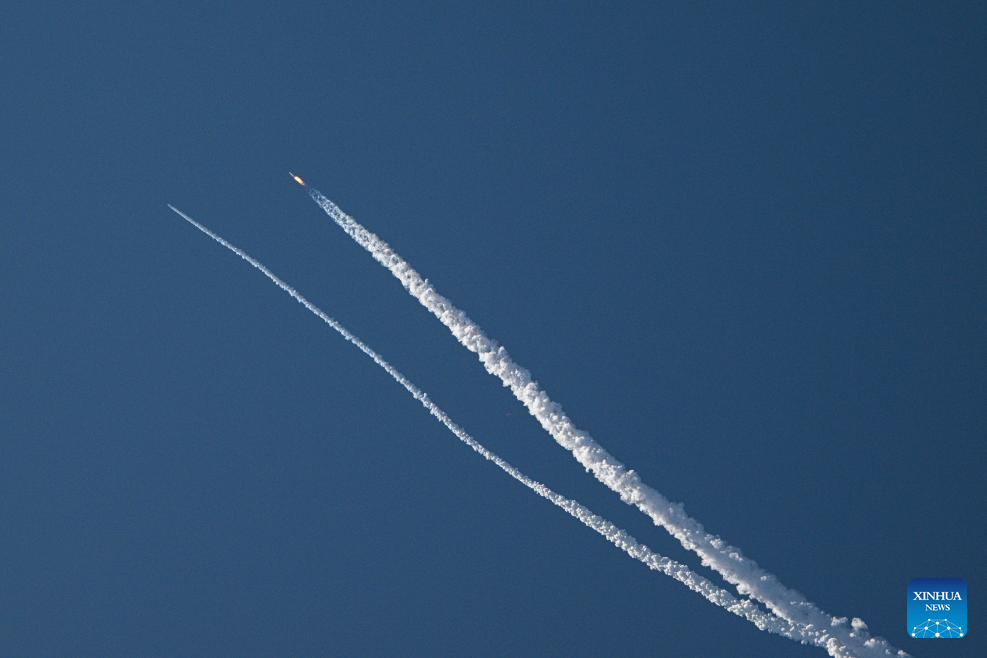
The test was successful. The Shenzhou capsule landed by parachute, while the first stage of the Long March 10A made a controlled splashdown in the ocean near the ship. China plans to reuse its stage in the future, so the successful test was an important milestone not only for the PRC’s lunar program, but also on the path to mastering reusable technology.
Earlier, we reported on how China launched its secret space plane for the fourth time.

