

Chinese scientists have proposed a mission to explore Neptune and Triton. It could be launched in 2033.
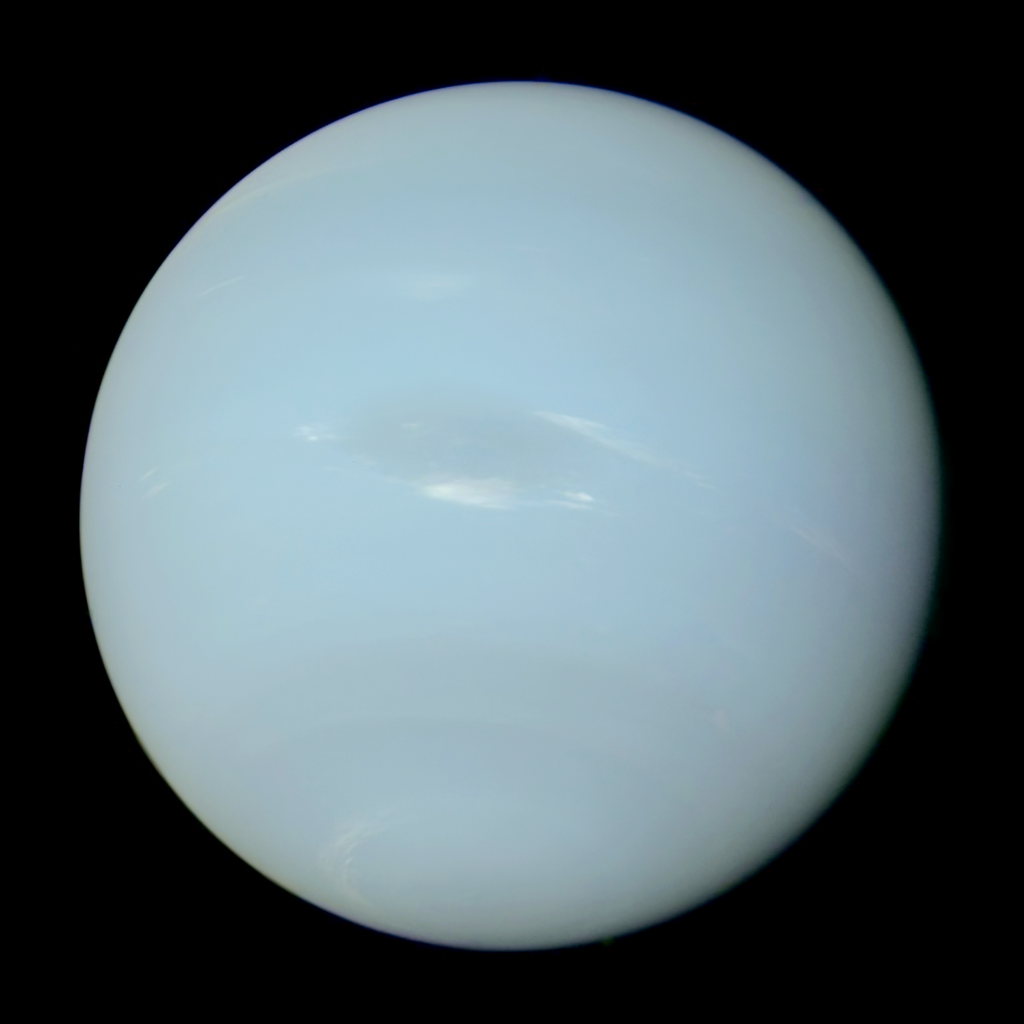
In the entire history of space exploration, only one spacecraft has visited Neptune. It was Voyager 2, which flew past the icy giant in August 1989. Since then, humanity has studied Neptune only through telescopes. However, despite their significantly increased capabilities, they are unable to answer many of the questions that remained after the Voyager 2 visit.
The only way to fill in the gaps in our knowledge about Neptune is to send a new mission there. In the past, NASA and ESA had developed several similar projects, but none of them were selected for implementation due to their high cost, long flight time, and the need to use a radioisotope energy source (RTG). But now that may change.
According to the Spacenews portal, a group of Chinese scientists has presented a project for a national mission to explore the eighth planet. It intends to launch the spacecraft in 2033. The flight to Neptune will take 16 years and will require a series of gravitational maneuvers near Jupiter and Saturn.
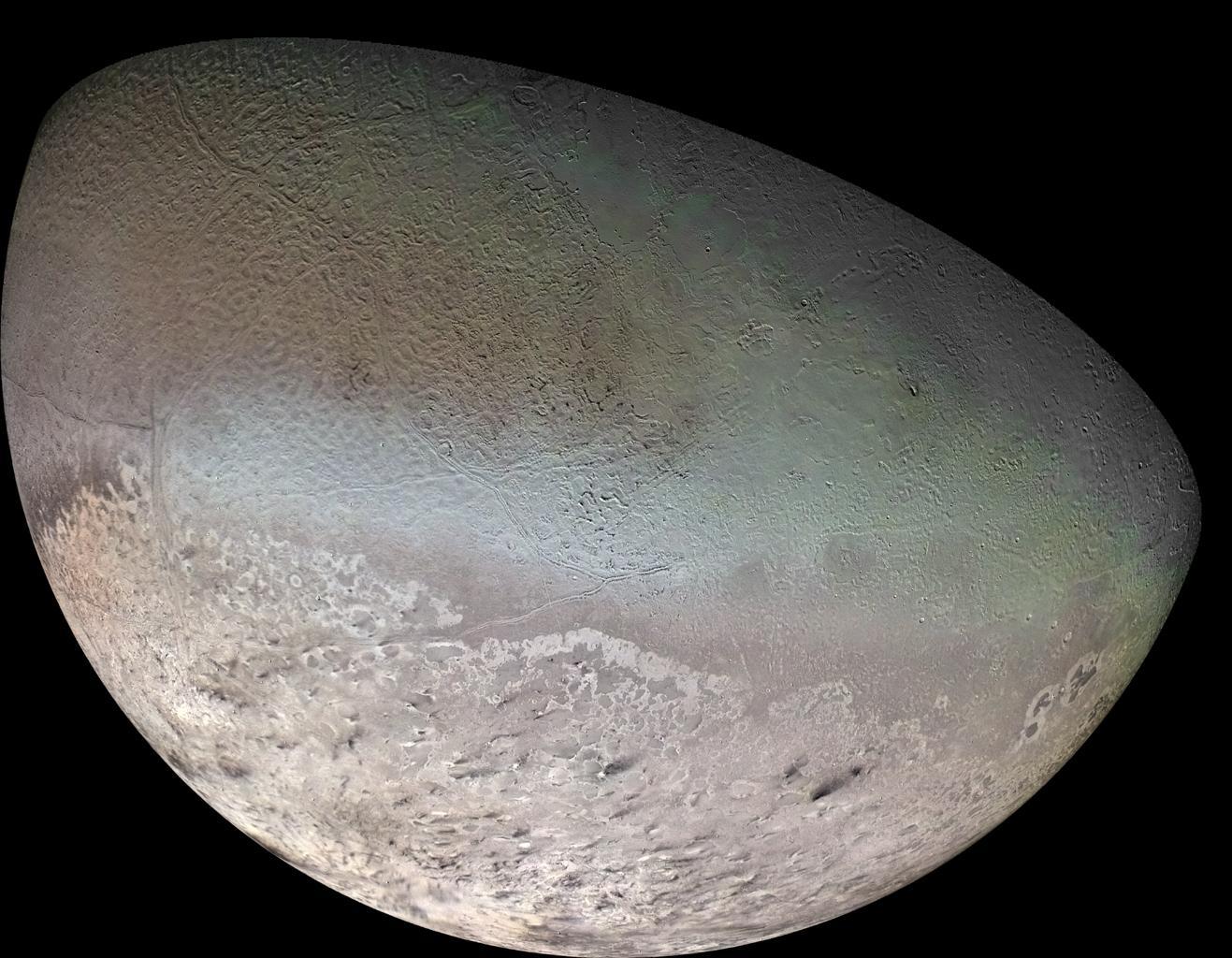
Upon arrival at Neptune, the Chinese spacecraft will release a probe into its atmosphere and perform a gravity assist maneuver at Triton. This will allow it to remain in a permanent orbit around the planet. According to the developers’ plan, the vehicle will be equipped with a set of 11 scientific instruments that will be powered by two RTGs. These include magnetometers, particle and dust analyzers, spectrometers, a camera, a microwave radiometer, and an autonomous navigation system.
The Chinese spacecraft will conduct a detailed study of Neptune’s atmosphere, magnetic field, and internal structure, as well as its rings and moons. Special attention will be paid to Triton. In the distant past, it was an object in the Kuiper belt, which was then captured by the gravity of the eighth planet. Voyager 2 discovered active cryovolcanoes on Triton, and scientists also suspect that there may be a subsurface ocean hidden beneath the moon’s surface. Confirming its existence and determining its physical characteristics will be among the main tasks of the Chinese mission.

