

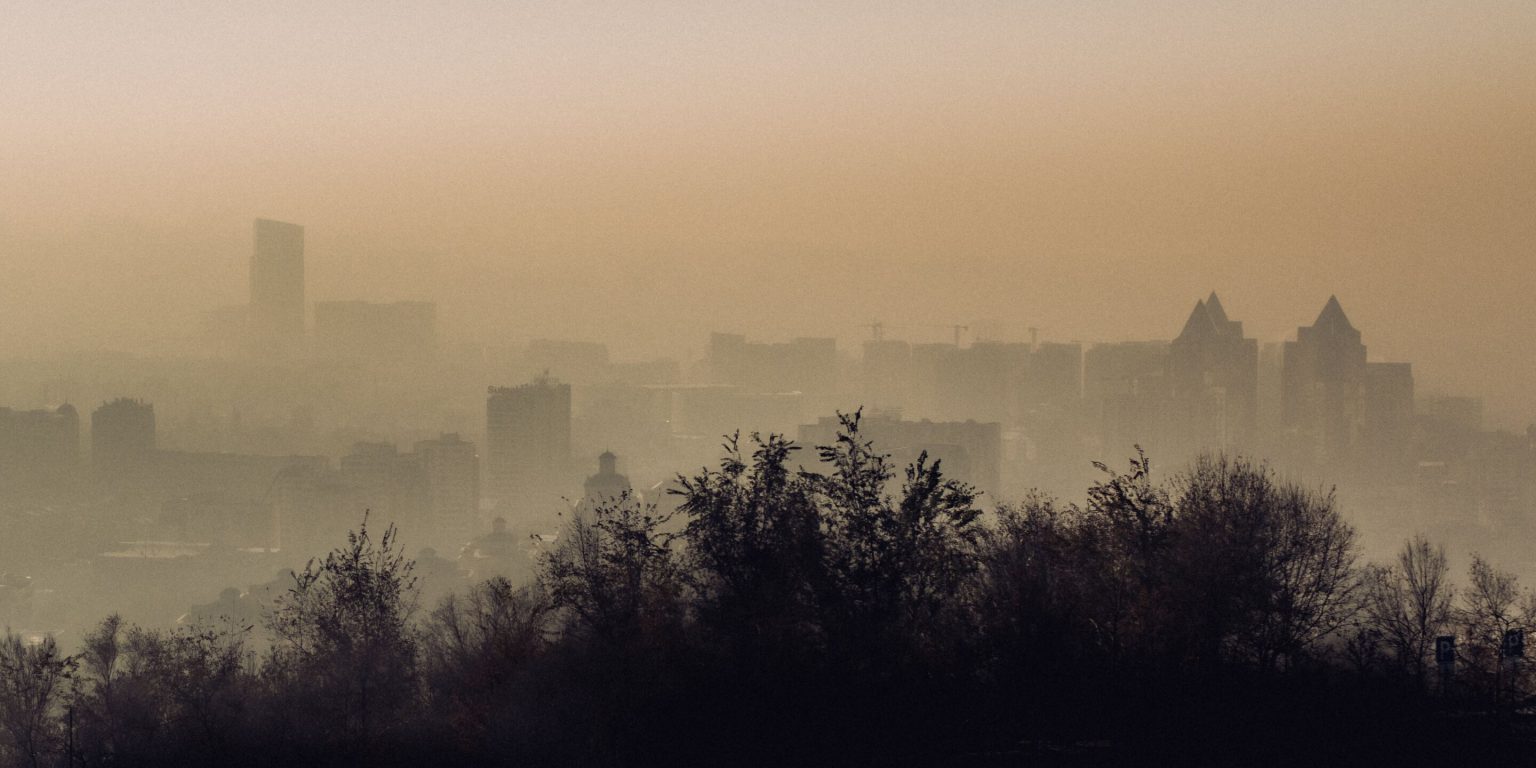
Industrial emissions have long been considered the main cause of air pollution. However, new research shows that climate change is exacerbating this problem, and together these two factors could make summer air far more hazardous than it is today.
Why does this threat arise specifically in the summer?
Higher temperatures, shifting wind patterns, and less frequent rainfall create conditions in which pollutants accumulate in the air to dangerous levels. And climate change accelerates the chemical processes involving these substances in the atmosphere.
High-risk groups will feel the effects sooner and more severely. These include infants, the elderly, pregnant women, and people with heart or lung conditions, diabetes, or cancer.
Warnings and Behavior
Researchers simulated changes in air quality and estimated how many times a year authorities would need to issue official warnings about deteriorating air quality. These are days when vulnerable groups are advised to limit their time outdoors. According to the scientists’ projections, the number of such days could double.
But even now, only 15–20% of Americans are changing their habits to reduce their exposure to polluted air. For many, adapting is physically difficult; for example, people without permanent housing or outdoor workers often simply cannot go indoors.
Fifty years of success are at risk
Climate change could undo the progress made over fifty years of environmental regulation. A similar effect could result from the relaxation of environmental standards for U.S. industry, which would pave the way for a new surge in emissions.
At the same time, researchers have found a way out of this situation. If global warming is kept within safe limits, the increase in the number of hazardous days will come to a halt by the middle of the century, and most of the negative health effects can be avoided.
Long-term protection
If poor air quality becomes the norm by the end of the century, building airtightness, effective ventilation, and filtration will become critical. Access to clean indoor spaces will become a matter of social equality.
On an individual level, scientists recommend monitoring air quality indices and following official guidelines. On days with elevated levels of particulate matter or smoke, properly fitted masks with N95 or P99 protection are effective.
According to phys.org

