

The US National Reconnaissance Office (NRO) has declassified details of a Cold War-era project called EARPOP for the first time. As part of this project, eight JUMPSEAT satellites were launched to collect electronic signals.
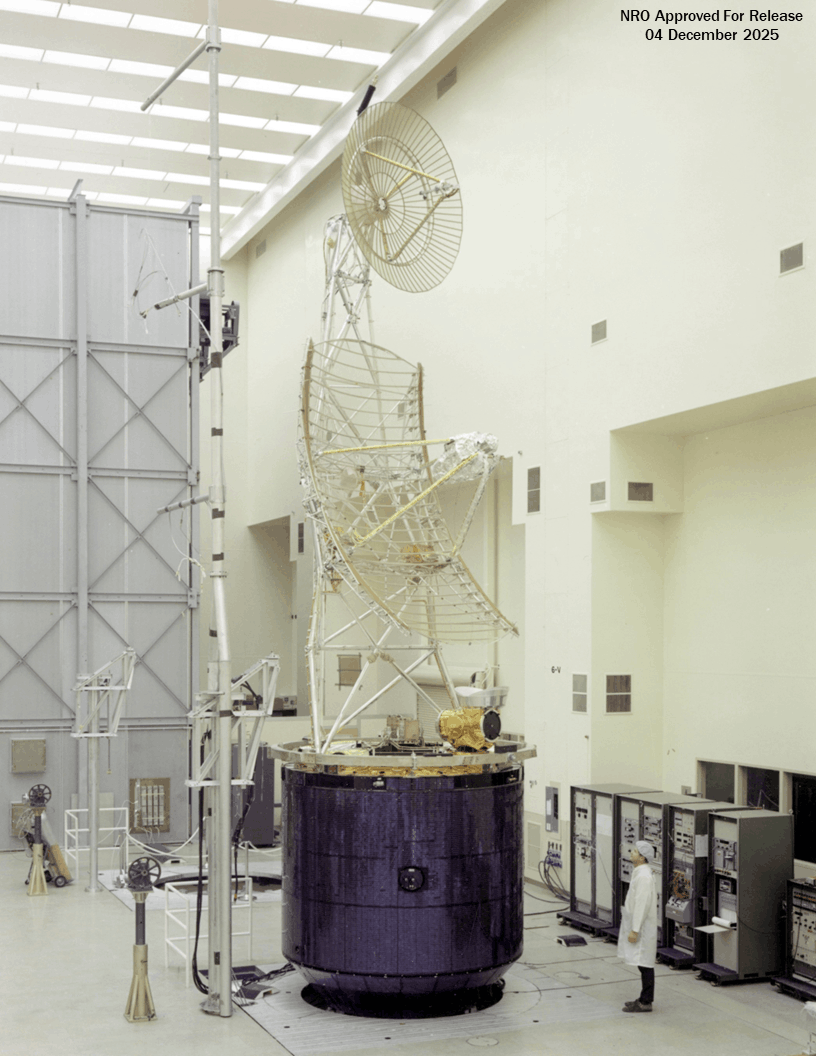
In the early years of the space age, the United States initiated a number of programs to develop satellites designed for electronic intelligence: intercepting and decrypting communications (primarily from the USSR and its satellite countries), as well as collecting electronic signals that could be emitted by missiles or other weapons systems.
The first projects in this field were GRAB and POPPY. However, the satellites launched as part of these projects were in low orbits, while the military also needed devices that could monitor potential enemies from a different vantage point. We are talking about the so-called Molniya-type orbits. This is a highly elliptical orbit with an inclination of 63.4°, a perigee of 1,000 km, an apogee of 40,000 km, and an orbital period of approximately 12 hours. It got its name from the series of Soviet Molniya spacecraft, which were the first to use it in their work.
The key feature of the Molniya orbit is that the spacecraft spends most of its orbit at apogee, which passes over the Northern Hemisphere. As a result, the satellite had an excellent view of the high latitudes where the USSR was located. And that was exactly what intelligence needed.
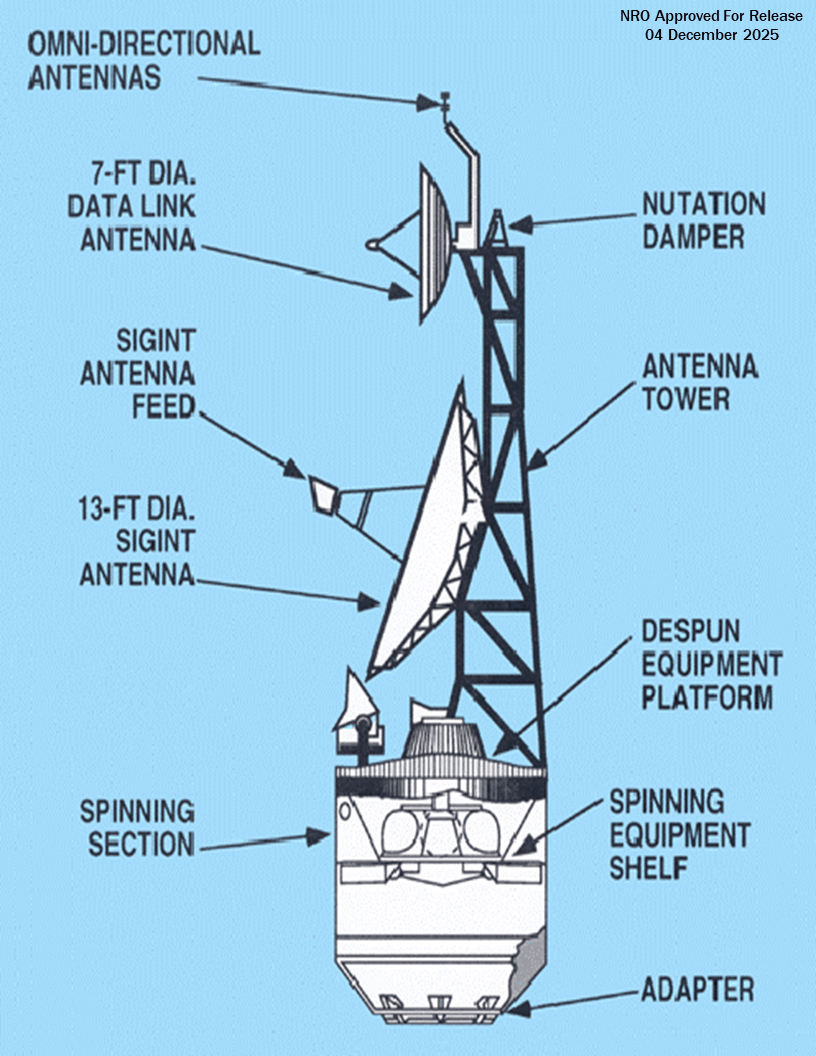
This led to the creation of the EARPOP program, whose goal was to develop satellites designed to operate in orbits of this type. Hughes Aircraft was tasked with their development, and these satellites were named JUMPSEAT. The first spacecraft was launched in 1971. It was followed by seven more spacecraft (one of which was lost due to a rocket accident). The last satellite in the series was launched in 1987.
JUMPSEAT proved to be highly effective satellites. They successfully collected electronic emissions and signals, intelligence data on communications and devices. This information was then transmitted to the Pentagon and relevant intelligence organizations.
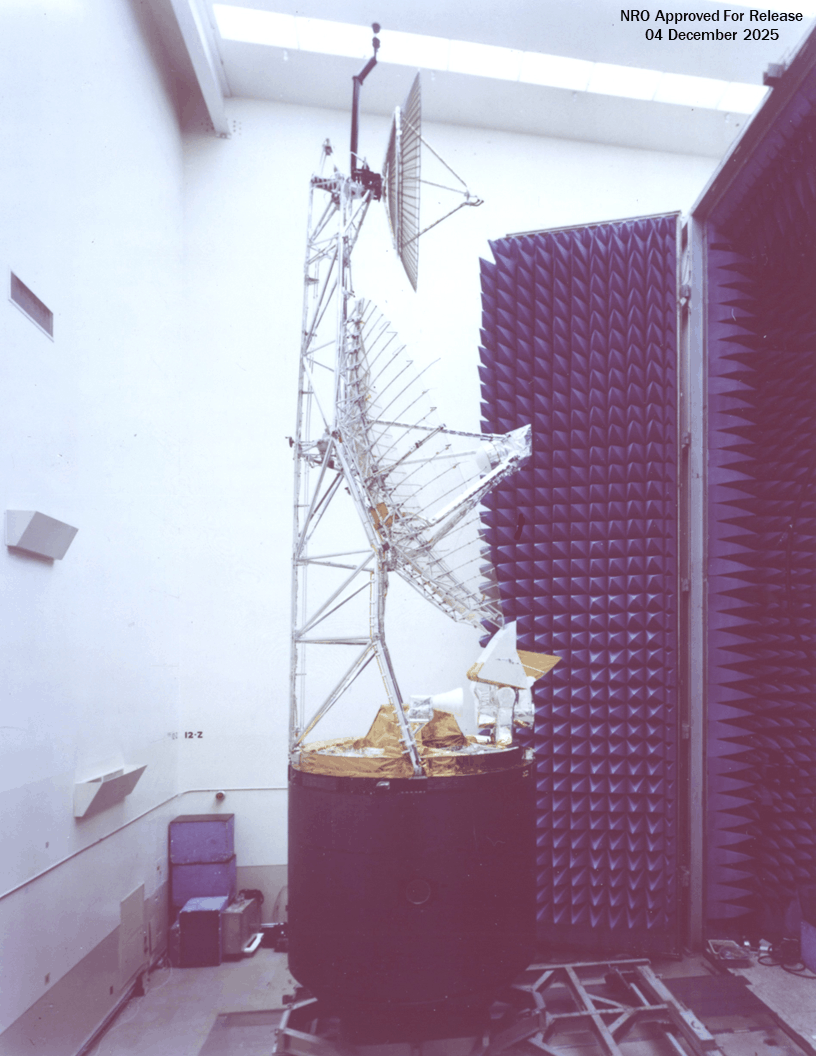
The JUMPSEAT program continued until the mid-2000s. The last satellite operated in transponder mode for some time before being decommissioned in 2006.
According to NRO

