

A person who is just beginning to learn about astrophysics may think that there are any possible combinations of star color and size. But in reality, this is not the case, and the actual state of affairs is described by the Hertzsprung-Russell diagram, which reveals the fundamental dependencies according to which stars function.
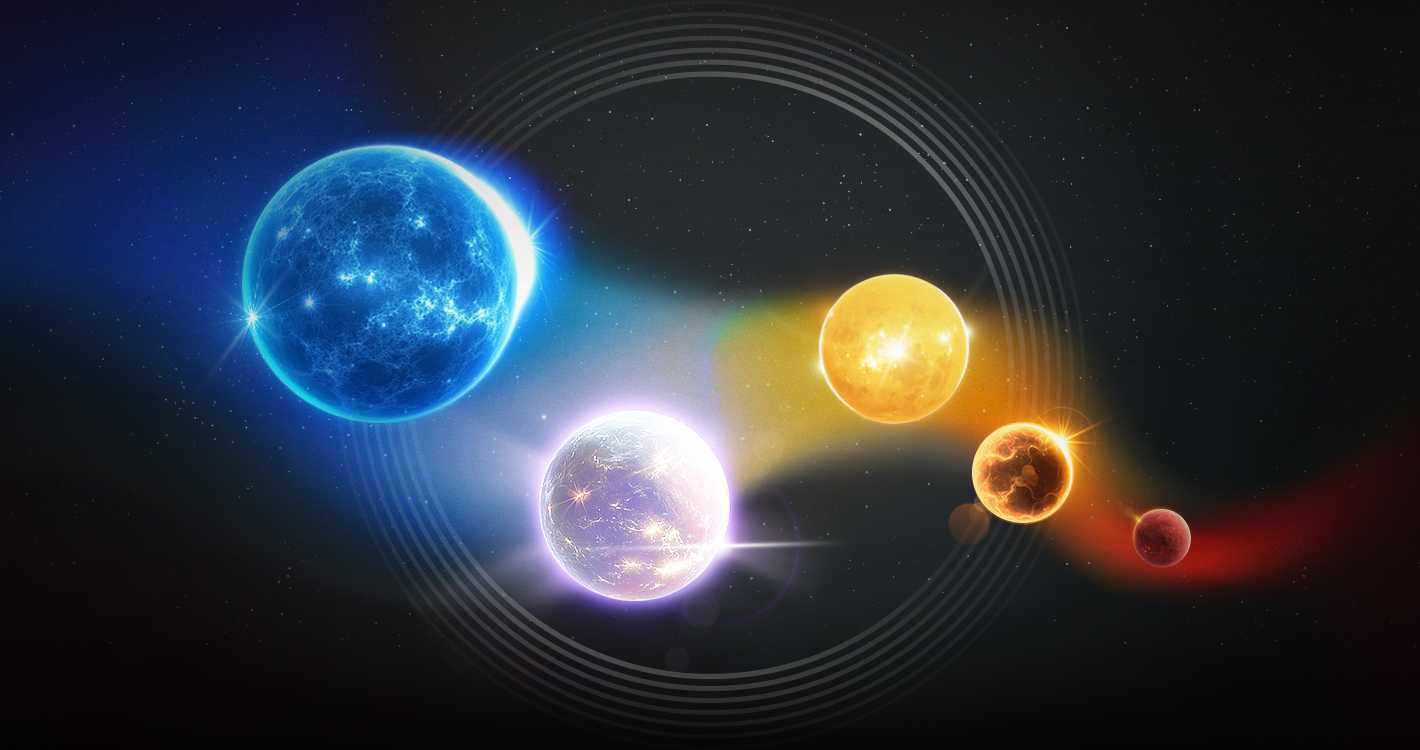
The most important diagram in astrophysics
When describing the characteristics of a particular star that has caught the attention of astronomers, they are often presented by indicating its position on the Hertzsprung-Russell diagram. Experts understand perfectly well what this means, but for most people it sounds like gibberish.
However, all this can be explained to ordinary people. In the 19th century, scientists discovered that the apparent magnitude of stars in the sky depends on both their luminosity and their distance. At the same time, the color of a star correlates with its temperature. But both parameters can vary greatly for different objects.
Can they form any combination? It became possible to answer this question after spectroscopic studies conducted in the second half of the 19th century and the early 20th century at the Harvard Observatory. It was Annie Jump Cannon, an employee of the observatory, who developed the system of designating spectral classes with Latin letters, which we still use today.
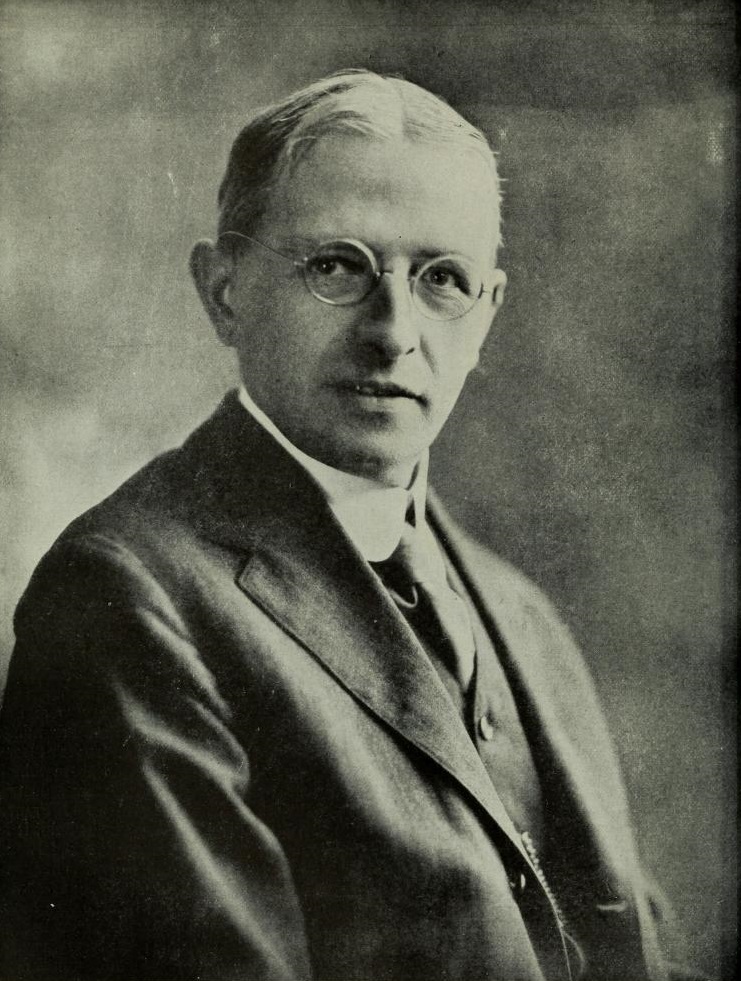
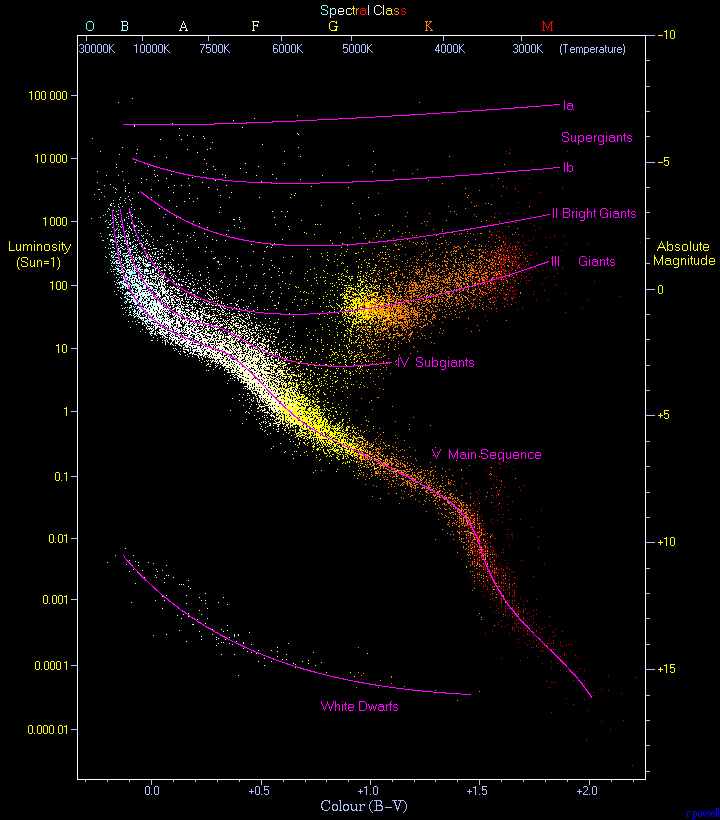
Based on this data, Danish astronomer Ejnar Hertzsprung and American scientist Henry Russell independently conducted an analysis and placed known stars in a coordinate system, with luminosity on the vertical axis and color on the horizontal axis, ranging from blue to red. It turned out that the stars do not cover it evenly, but form several elongated groups, which are conventionally called sequences.
Main sequence
The largest number of stars on the Hertzsprung-Russell diagram is found in the so-called main sequence. If the axes are positioned in the standard way, it stretches from the lower right corner to the upper left. Ninety percent of all stars observed by scientists in the Milky Way are found in this sequence.
The main sequence is not just a line on a graph. It shows the normal state of a star in the middle of its life cycle: the first millions of years it spent as a protostar are already over, and its transformation into a subgiant or red giant is still a long way off.
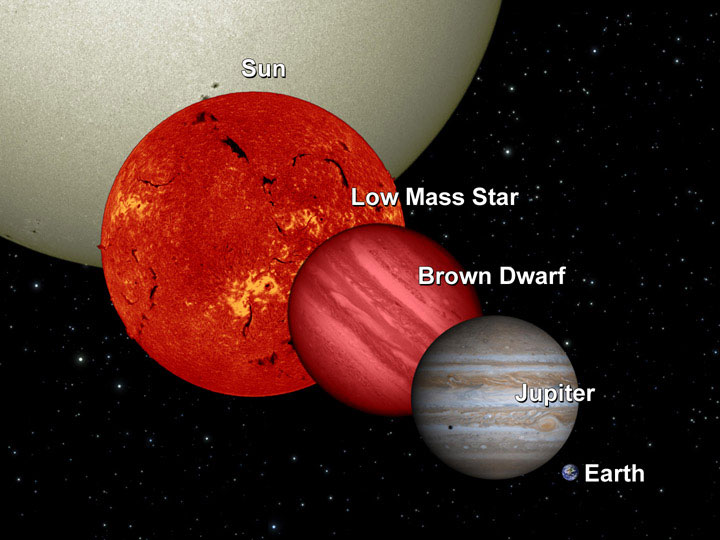
The coldest and smallest stars, red dwarfs, are located in its lower part. Brown dwarfs are not usually considered stars, but if they are placed on the main sequence, they will continue it further into the infrared zone and toward decreasing luminosity.
Red dwarfs are a fairly diverse group of stars, with luminosities varying by a factor of ten between members. What unites them all is that, unlike other stars, helium reactions are impossible inside them, so they never turn into red giants.
It is believed that at the end of their lives, they should contract, heat up, and become blue dwarfs. However, no one has ever seen such a star, since their lifespan is tens of billions or even trillions of years, which is much longer than the existence of the Universe. The surface temperature of red dwarfs ranges from 2 to 4 thousand degrees Celsius.
Next come orange dwarfs. These are stars whose mass is tens of percent of the Sun’s, and whose surface temperature is 4–5 thousand degrees Celsius. Unlike red dwarfs, they turn into red giants at the end of their existence, but no one has ever seen such a star, since the time of their evolution exceeds the age of the Universe.
They are followed by yellow stars, which include our Sun. Their surface temperatures range from 5,000 to 7,000 degrees Celsius, and their time on the main sequence is 8 to 15 billion years. Moving further to the left, we first see yellowish stars of spectral class F, then white stars of class A, white-blue stars of class B, and finally blue stars of class O.
All these stars have several features in common. First, they are all heavier and hotter than the Sun. As a result, thermonuclear reactions inside them are much more intense than on the Sun, so they age much faster. This leads to their second feature: they remain on the main sequence for only a few million to a few billion years.
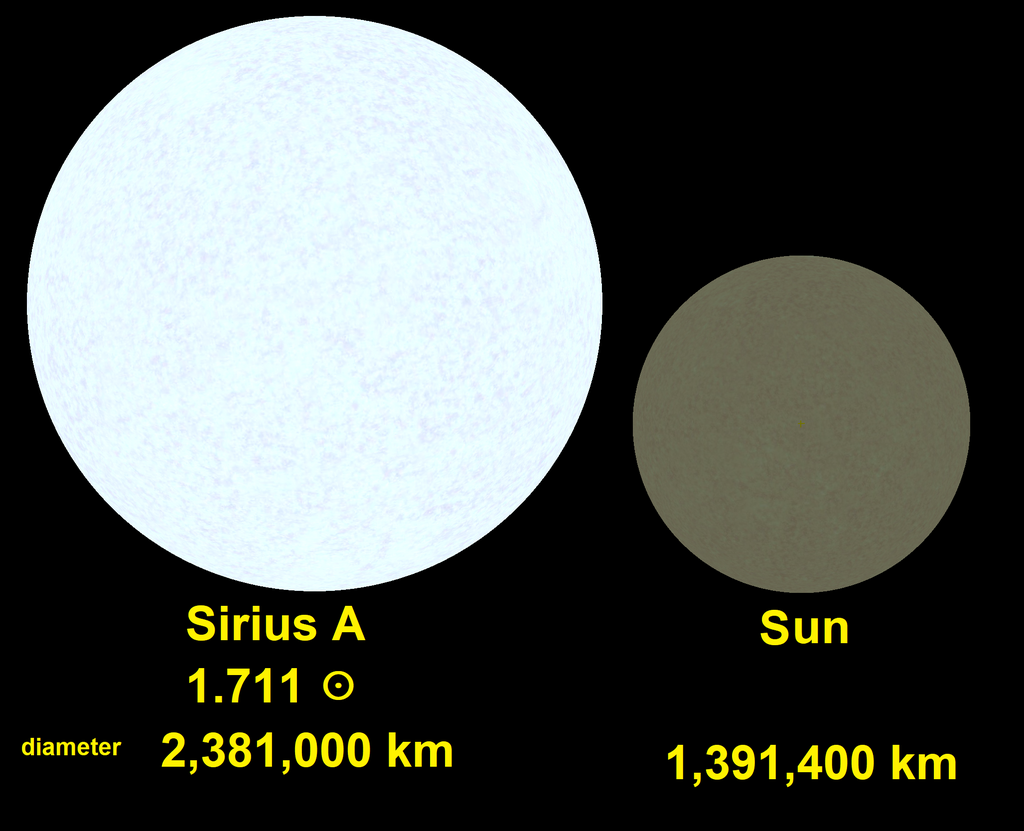
The second feature of hot stars leads to the third – they are quite rare. And the more massive and hotter a star is, the rarer it is to observe something like this. For example, only a few tens of thousands of stars of spectral class O are known. It is precisely the stars on the left side of the main sequence that most often become the subjects of articles about the study of unique objects.
Subgiants and giants
The second most frequently mentioned sequence is giants. They are often referred to as red giants, as their most prominent representatives belong to the spectral class M. However, there are also extremely bright stars of spectral classes K and G.
The easiest way to explain what the giant sequence is is from the perspective of astrophysics. When a star with a mass between 0.4 and several solar masses runs out of hydrogen, it gradually begins to burn helium. The outer layers of the star expand and cool, but its luminosity only increases. If you look at the Hertzsprung-Russell diagram, it looks as if the star is shifting to the right of the main sequence. At the same time, it still consists mostly of hydrogen. Combustion begins in the core, initially in a very limited area, and then spreads to an increasingly larger volume.
However, this cannot last forever. Sooner or later, this fuel runs out, and stars of different masses begin to behave differently. All of them, in one way or another, leave the red giant sequence, but smaller ones usually end up on the horizontal branch and eventually simply shed their shell, turning into a white dwarf.
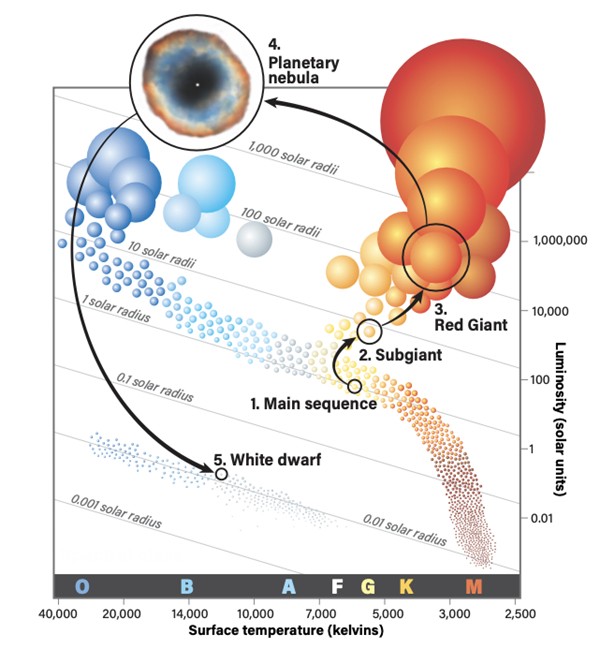
Heavier stars may even shift to the left on the diagram. Eventually, reactions involving oxygen and carbon begin inside them. They move to an asymptotic branch, which is located even higher and further to the right than the previous one. That is, they are even redder and brighter than all the others. But the outcome for all red giants is always the same – they turn into white dwarfs.
Subdwarfs
Below the main sequence and parallel to it is another narrow and long zone of stars that is not mentioned very often – subdwarfs. These are at least two different categories of stars combined. The right half of this sequence consists of stars of spectral classes G, K, and M. They are very similar to their “relatives” from the main sequence, but have lower luminosity than they should have at such temperatures.
All of these are old stars that contain very few metals, i.e., elements heavier than helium. Because of this, they emit slightly less radiation in the visible range, but more in the ultraviolet range.
Hot subdwarfs are completely different from them. Their origin remains controversial. Some scientists believe that these objects are red giants that lost their outer shells at a certain stage before exhausting all their helium fuel. Others believe that they are formed during the merger of two helium white dwarfs. In any case, they are powered by helium reactions.
White dwarfs
At the bottom of the Hertzsprung-Russell diagram is a sequence of white dwarfs. This is exactly what the vast majority of medium-sized stars turn into after passing through the red giant stage. In terms of temperature, they are very similar to main-sequence stars belonging to class A, but they are several orders of magnitude dimmer than they are.
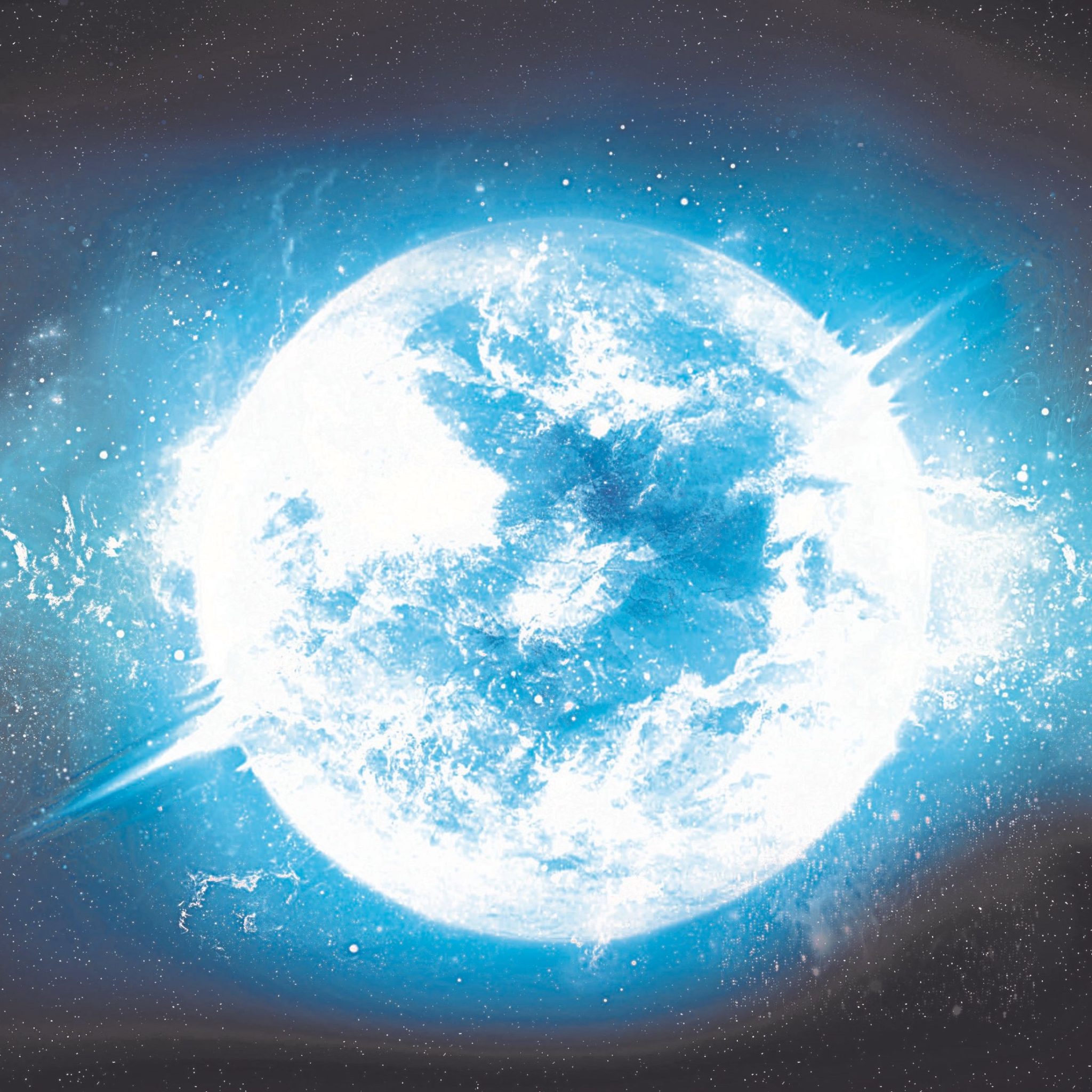
The mass of white dwarfs can range from a few tens of percent to 1.4 times the mass of the Sun. Essentially, these are dead stars composed of helium, carbon, or oxygen. Thermonuclear reactions no longer occur on them, but they have accumulated an enormous amount of energy. By emitting it, they can shine for billions and tens of billions of years until they completely fade away.
Supergiants
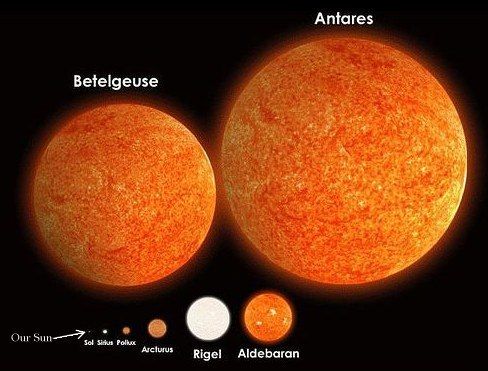
The most interesting things happen at the top of the Hertzsprung-Russell diagram. This is where stars with masses greater than 10 solar masses are located. Formally, this is where the upper limit of the main sequence is, but there are several virtual ones, sometimes called supergiant and hypergiant branches.
However, in reality, all this can be discussed only in a rather conditional manner. The fact is that stars located in the upper part of the Hertzsprung-Russell diagram are, first, extremely rare, and second, evolve very quickly. They simply gradually “ignite” more and more new chemical elements, going even further than in the case of asymptotic branch giants.
Other objects in the Hertzsprung-Russell diagram
In general, astronomers use the Hertzsprung-Russell diagram to plot any objects or systems consisting of stars to better understand their nature. For example, the position of stars in a star cluster on this diagram allows us to estimate its age. The location of components in binary systems helps us to better understand their evolution. Pulsating stars form characteristic sequences on the diagram.
The Hertzsprung-Russell diagram is both a description of all possible types of stars and an understanding of their evolutionary paths. That is why scientists constantly refer to this diagram when describing stars to express themselves as accurately as possible. Therefore, there is no need to be afraid of it.

