

The center of our galaxy concealed a sensation. Sagittarius A*, the Milky Way’s supermassive black hole, appears calm. However, new data indicates that it recently awakened in a powerful explosion, the light echo of which has only now reached Earth.
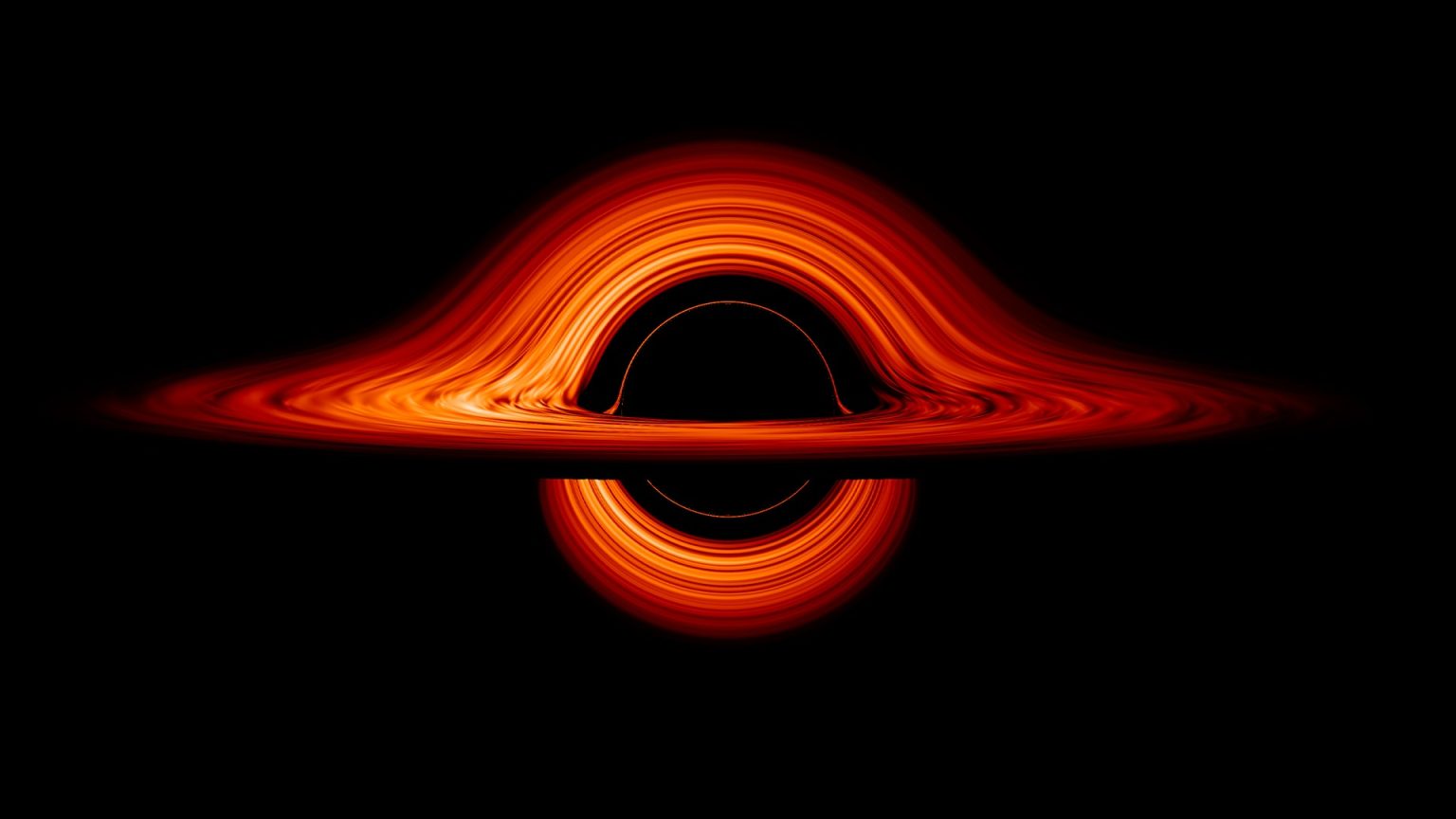
Sagittarius A*, with a mass of 4 million suns, is a dim and relatively inactive object. But this was not always the case. A recent study published in The Astrophysical Journal Letters proves that our black hole was once incredibly active. The flare occurred only a few centuries ago by Earth standards.
Light echoes

Astronomers from Michigan State University used the XRISM space telescope. It studied X-ray radiation from a gas cloud near the center of the galaxy. It turned out that this was not the light of the cloud, but the reflected glow of a powerful explosion from Sagittarius A*. The cloud acted as a mirror. The black hole flared up about 26,000 years ago — that is how long it takes for light to travel from the center of the galaxy. The direct light from the flare reached us unnoticed a century ago. But the light reflected from the cloud has only just reached us, several centuries late.
Power of the flare
“I wasn’t prepared for this,” admitted Stephen DiKerby, head of the research team. The XRISM telescope, launched in 2023, recorded the radiation in such detail for the first time that it ruled out other explanations, such as the influence of cosmic rays. “We are lucky to be the first to see this flare,” DiKerby added.
During the explosion, Sagittarius A* glowed 10,000 times brighter than it does now in the X-ray range. Such activity is characteristic of “hungry” black holes that actively absorb matter. Obviously, there was significantly more gas around Sagittarius A* at that time.
The discovery shows that our “quiet” black hole is capable of violent flares. Studying light echoes through the XRISM telescope reveals the dynamic and turbulent history of the heart of the Milky Way.
According to earthsky.org

