

The demand for computing power for artificial intelligence has far exceeded the capacity of ground-based infrastructure, prompting entrepreneurs to turn their attention to Earth’s orbit. There is space, solar energy, and no competition for land. But there is one major obstacle: there aren’t enough rockets.
Data center in orbit
The idea of orbital data centers is not new, but concrete projects are only now beginning to emerge. Some companies, such as Google with its Suncatcher project, are aiming for the mid-2030s.
Others, such as Starcloud, are currently limited to processing data from space-based sensors in real time. A common challenge is that they are all waiting for Starship or New Glenn, which are still under development or facing technical difficulties.
An independent rocket as a response
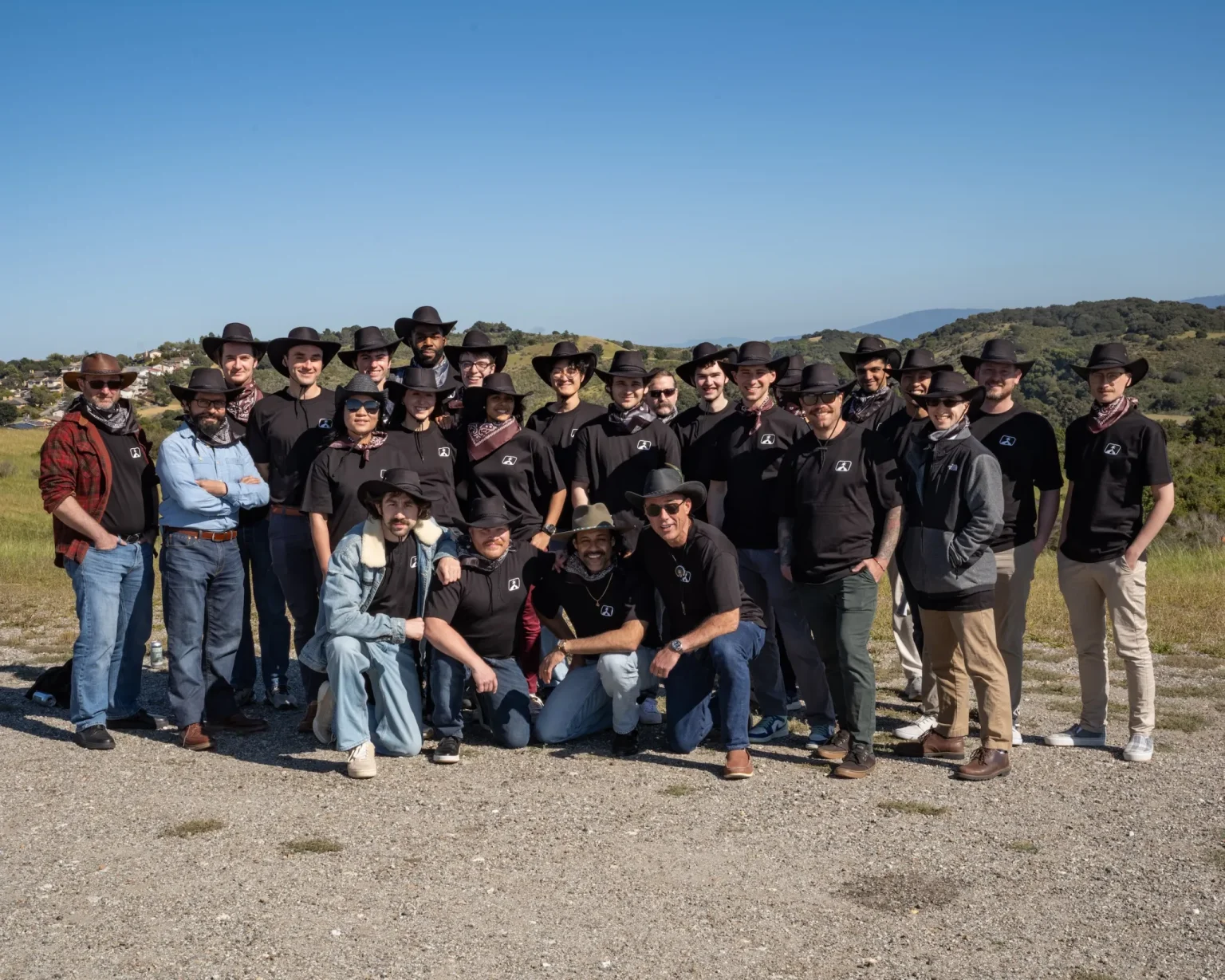
Cowboy Space Corporation took a different approach and decided to build its own rocket. The company has raised $275 million in funding. This isn’t the first round of funding: investors had previously injected another $80 million. The company is valued at $2 billion. The first launch is scheduled for late 2028.
The company’s founder and CEO, Baiju Bhatt, explains the reasoning simply: he negotiated with several launch service providers and found none that could provide enough launch capacity for a scalable orbital data center at a competitive price. According to him, most rocket companies will focus on their own payloads rather than commercial customers.
Data center as a rocket stage
In terms of design, the Cowboy Space approach resembles how the first satellites were built. The first American artificial satellite, Explorer 1, launched in 1958, was essentially the final stage of a launch vehicle containing scientific equipment.
Cowboy Space follows this same principle: the data center is integrated directly into the rocket’s second stage. Each satellite will weigh between 20,000 and 25,000 kg and generate 1 MW of power—enough for approximately 800 GPUs. In terms of mass, this is comparable to the Falcon 9’s maximum payload, but it’s a lot less than Starship’s.
Competitive environment
The company is starting from scratch in a niche already dominated by SpaceX and Blue Origin, while several startups have been unable to achieve commercial launches for years.
Cowboy Space has already hired specialists from both teams: Warren Lamont, a former propulsion engineer at Blue Origin, and Tyler Grinnell, a former launch director at SpaceX. Next on the agenda is developing its own engine and establishing manufacturing and testing facilities.
According to techcrunch.com

