

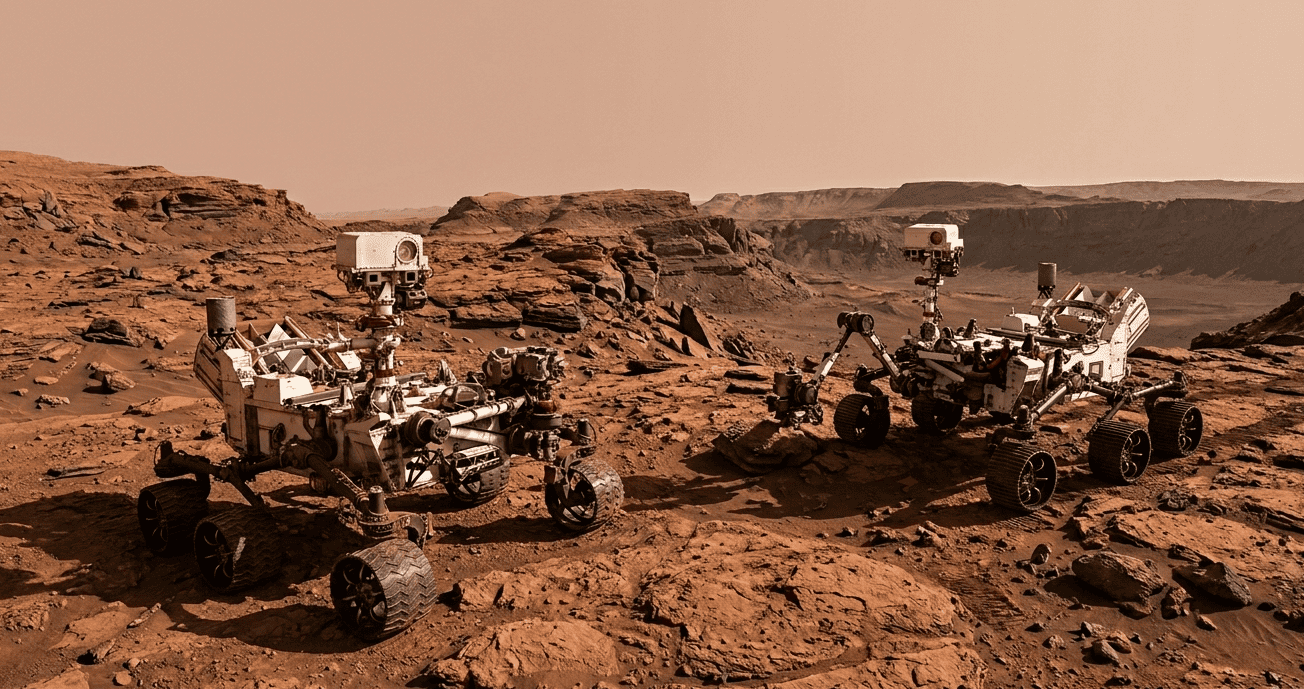
Two NASA rovers are exploring Mars simultaneously, but they are traveling in opposite directions through geological time—one into the distant past, the other toward more recent eras. New panoramas captured by both rovers in late 2025 and early 2026 reveal that, over billions of years, the Red Planet has undergone several dramatic changes—involving water, chemical reactions, and conditions under which simple life could have emerged.
Two devices—two geological eras
Curiosity and Perseverance are separated by nearly 3,775 kilometers across the Martian surface—roughly seven times the distance from Kyiv to Lviv.
Curiosity, which has been operating for nearly 15 years, is slowly climbing the slopes of Aeolis Mons inside Gale Crater and encountering increasingly younger layers of rock.
Perseverance, launched five years ago, is instead heading toward some of the oldest landscapes in the entire Solar System—beyond the boundaries of Jezero Crater.
Curiosity: A web of rock and traces of the atmosphere
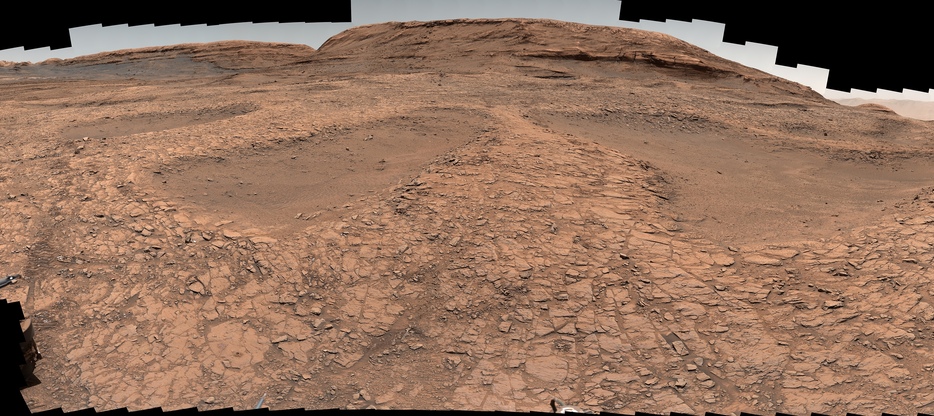
The Curiosity panorama is composed of 1,031 images and covers a region featuring so-called “boxwork formations”—low rock walls that resemble giant spiderwebs. They formed long ago: underground water flowed through cracks in the rock, depositing minerals, and then erosion carved away everything around them—leaving only these more resistant ridges.
The mission also recently reported that siderite in the layers of Aeolis Mons may be trapping carbon dioxide from Mars’ ancient, much denser atmosphere. Another discovery is the most diverse set of organic molecules ever found on the planet: 21 carbon-containing compounds in a single sample, seven of which have been identified there for the first time.
Perseverance: The oldest rocks and the first lightnings
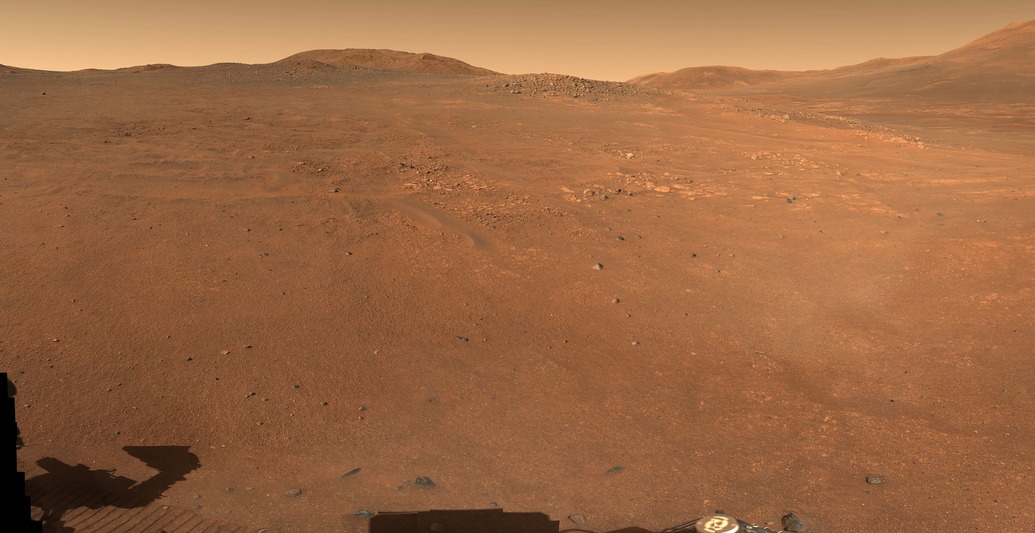
The Perseverance panorama consists of 980 images taken at a location that researchers have unofficially named “Lac de Charmes.” It is located on the outer rim of the Jezero crater and contains rocks that formed billions of years ago. Last year, the mission discovered a rock with dark spots—so-called “leopard spots”—characteristic of chemical reactions caused by microorganisms on Earth.
In addition to geological studies, Perseverance’s microphones have recorded the sound of electrical discharges in dust devils for the first time—a phenomenon that had previously only been theorized.
Samples will be sent to Earth
Unlike Curiosity, which grinds rock samples for analysis right on the spot, Perseverance collects intact cores about the size of a piece of chalk and stores them in metal tubes.
There are currently 23 samples on board. Scientists hope to bring them back to Earth, where laboratory equipment—unavailable to any rover—will be able to answer questions that remain unresolved for now.
According to nasa.gov

