

Dawn Aerospace has announced the first order for its Aurora suborbital spaceplane. According to the signed agreement, its suborbital flights will be carried out from Oklahoma.
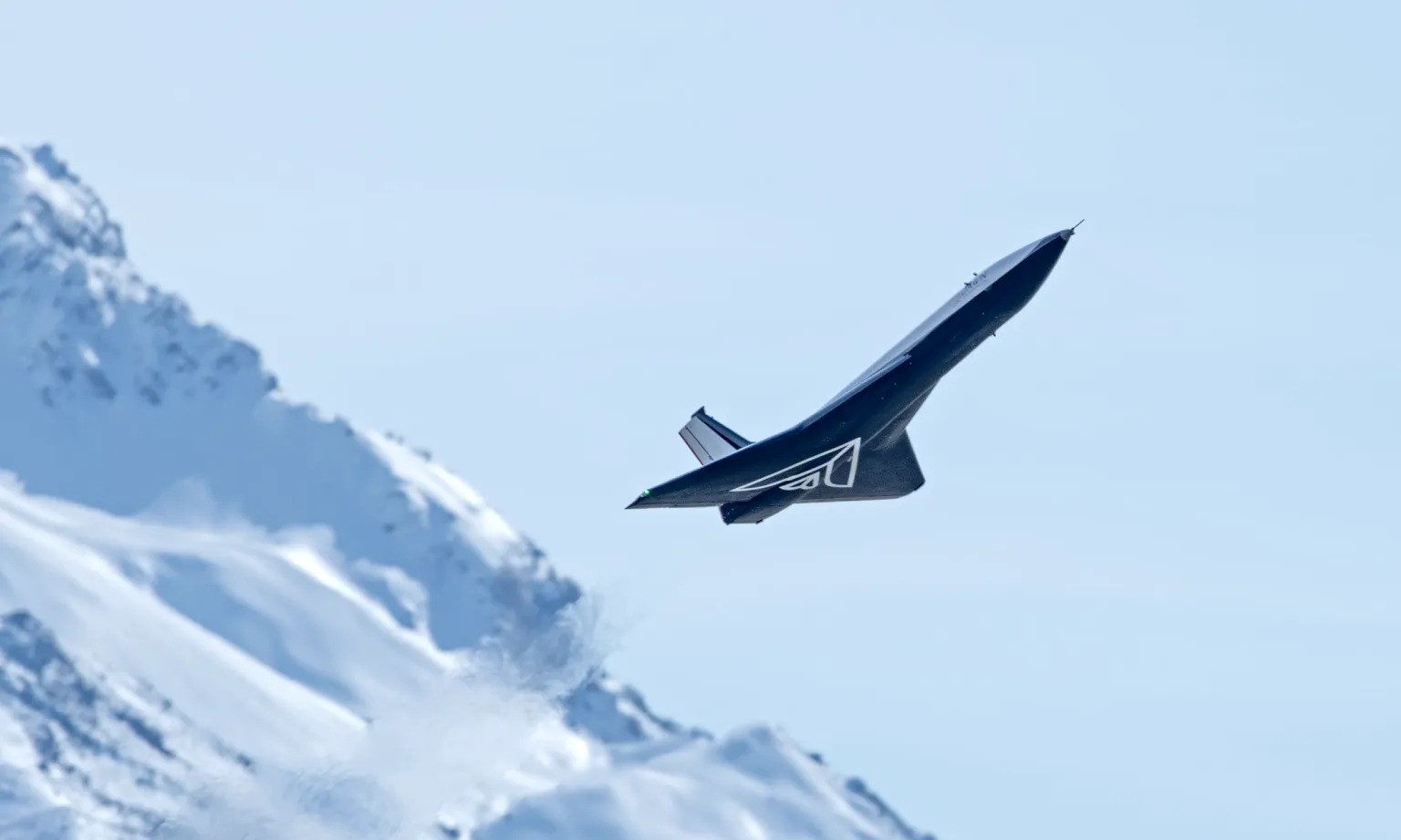
First sale of a spaceplane
On June 12, New Zealand-based Dawn Aerospace announced that it had signed a partnership agreement with the Oklahoma Space Industry Development Authority (OSIDA) to operate the Aurora Mark 2 spacecraft from Oklahoma Air and Space Port. Flights of the vehicle from Oklahoma are scheduled to begin as early as 2027.
On May 22, the company announced that it would begin selling Aurora Mark 2, a vehicle capable of taking off from a runway and lifting up to five kilograms of payload to an altitude of 100 km before returning to land on the runway. The company said it would sell the aircraft to customers who would operate them independently. This model is similar to commercial airliners, but differs from traditional space launch services.
The $17 million agreement with OSIDA is something of a hybrid, as Dawn Aerospace will provide both the aircraft and the operational team. Stefan Powell, Dawn’s chief executive officer, said in an interview that his company would hire a team in Oklahoma and bring it to New Zealand for training, which would include test flights. The team will then return to Oklahoma to perform up to 100 Aurora flights during a year.
“They wanted to be sure that at least the first year of operation would go well,” he said of OSIDA. “We are happy to take on this responsibility. But ultimately, we want to give them the opportunity to manage the aircraft independently.”
When will commercial flights begin?
The flights in Oklahoma will be the first for Aurora Mark 2 after completing test flights in New Zealand. The company has already tested a version of the aircraft that is capable of flying at subsonic speeds and reaching an altitude of 25 km. However, this is still very far from the stated goal.
For more than two decades, OSIDA has been working to attract customers to the spaceport, a former air base near Burns Flat with a long runway. At the beginning of the development of the Rocketplane Kistler spaceport, a startup developing a suborbital aircraft was the main tenant, but the company went bankrupt before completing any flights there.
In other words, we are talking about the use of an aircraft that has not yet been built or tested at a spaceport, and which has been unable to become commercially successful for many years. And these are not the only questions regarding this whole plan. Because, among other things, it is necessary to obtain licenses from the Federal Aviation Administration for all of this.
And if everything is more or less clear with the spaceport, how should Aurora be classified? The company would like the same rules to apply to it as to aircraft. Indeed, this is the basis of the entire strategy, focusing on selling these vehicles rather than operating them independently. But whether the FAA will agree with this remains highly questionable.
In general, the idea of operating a spaceplane as an airplane is correct and, in a certain way, revolutionary, because it essentially opens up the only normal path for truly mass operation. It’s another matter how Dawn Aerospace will implement all this, because they are actually selling a subscription-based product that no one has been able to bring to fruition for several decades.
According to spacenews.com

