

The year 2025 delighted Earth’s inhabitants with two total lunar eclipses and two partial solar eclipses. But what awaits us in 2026, and on which days should we look up at the sky?
Lunar eclipses in 2026
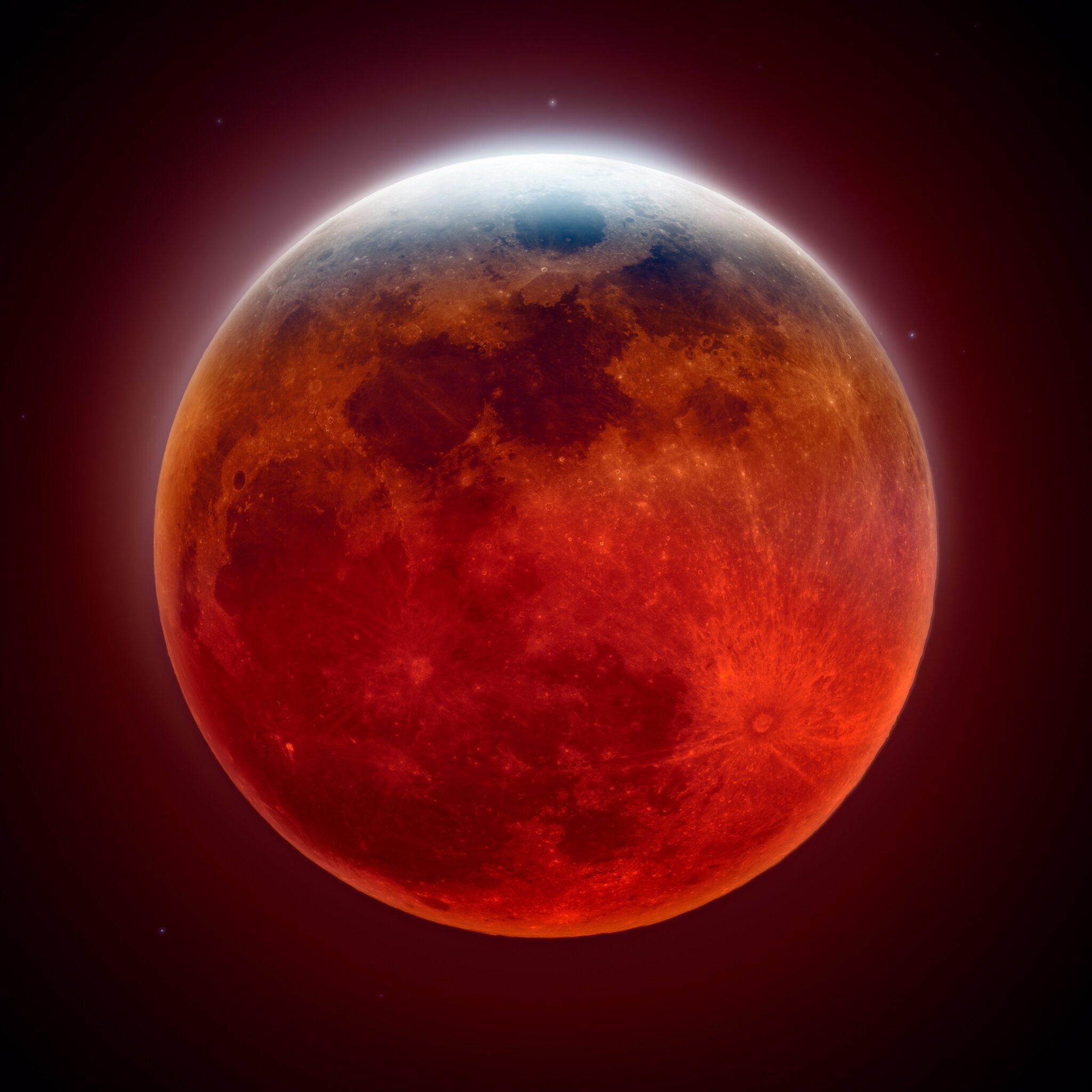
In 2026, we will see two lunar eclipses. The first will be total. It will take place on March 3, 2026. The eclipse will begin at 08:44 p.m. UTC. At this stage, the Moon will be immersed in the Earth’s penumbra, which will result in a slight darkening of its surface that will be difficult to see with the naked eye. The partial phase, when the darkening of the lunar disk will be clearly visible, will begin at 09:50 p.m. UTC, and the total phase will last from 11:04 p.m. to 12:02 p.m. UTC. The total duration of the event will be 5 hours and 39 minutes.
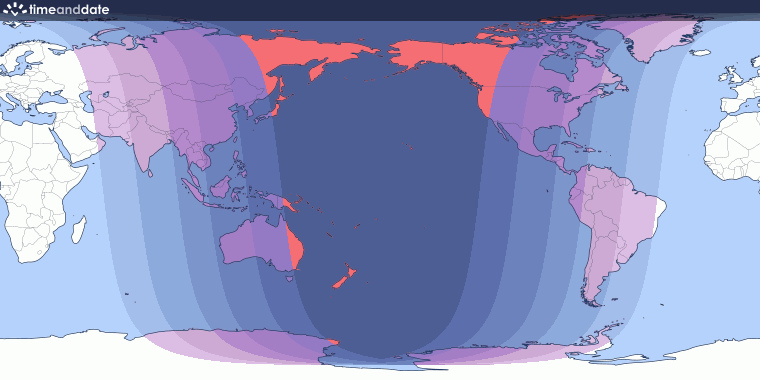
The total lunar eclipse on March 3, 2026, will be visible to residents of East Asia, Australia, North America, and South America. Unfortunately, it will not be visible in Europe.
The second lunar eclipse will take place on August 28, 2026, and will be partial. Its penumbral phase will begin at 01:23 a.m. UTC, and the partial phase will begin at 02:33 a.m. The eclipse will peak at 04:12 a.m. UTC, when the Earth’s shadow will cover 93% of the lunar disk, leaving only a thin crescent. The total duration of the event will be 5 hours and 38 minutes.
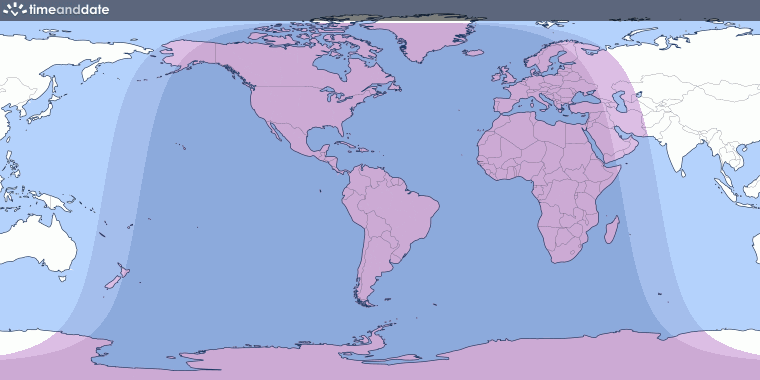
The partial lunar eclipse on August 28, 2026, will be fully visible in North and South America, with its individual phases observable in Europe and Africa. Residents of Ukraine will be able to see the beginning of the eclipse. By the time it reaches its maximum phase, the Moon will already have disappeared below the horizon.
Solar eclipses in 2026
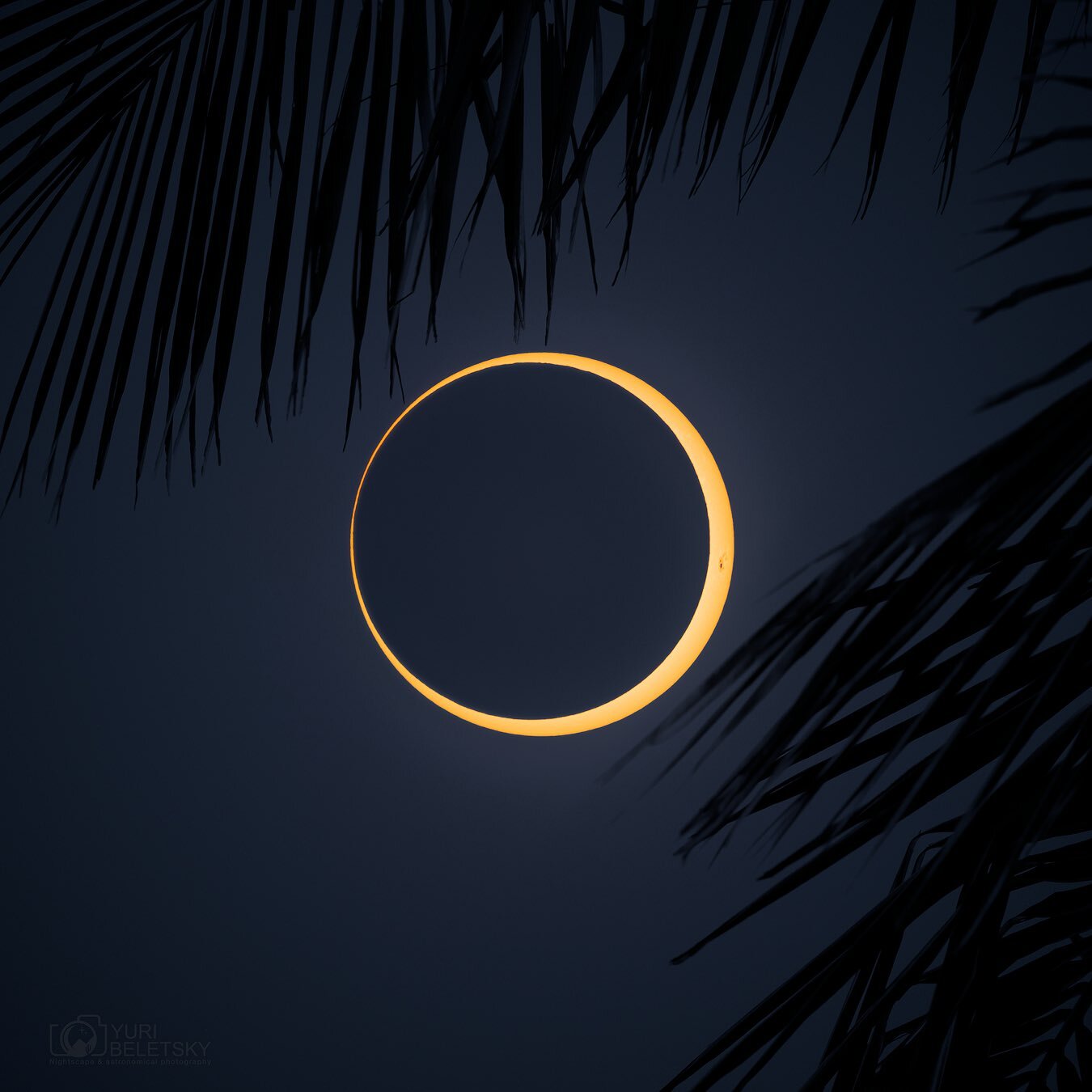
In 2026, Earth’s inhabitants will be able to see two solar eclipses. The first will take place on February 17, 2026, and will be annular. Such an eclipse occurs when the Moon is at the apogee of its orbit, and the apparent size of its disk is smaller than usual. As a result, it cannot completely cover the Sun, and a fiery ring appears in the sky.
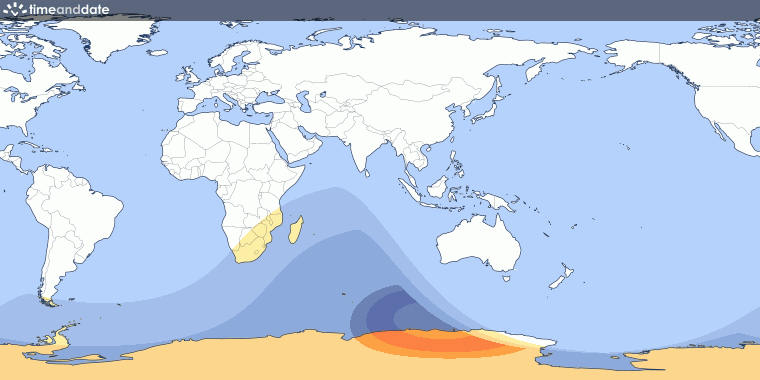
The eclipse on February 17 will begin at 09:56 a.m. UTC and end at 2:27 p.m. UTC. Not many people will see it. The annular phase will only be visible over Antarctica, while partial phases will only be visible in the extreme south of Chile and Argentina, southern Africa, and Madagascar.
The second solar eclipse of 2026 is much more interesting. It will be total and will be visible to many more people.
The eclipse on August 12 will begin at 3:34 p.m. and end at 7:57 p.m. UTC. Its total phase will be visible in Greenland, Iceland, Spain, and the island of Ibiza. Partial phases will be visible across most of Europe, Canada, northern Africa, and the Far East.
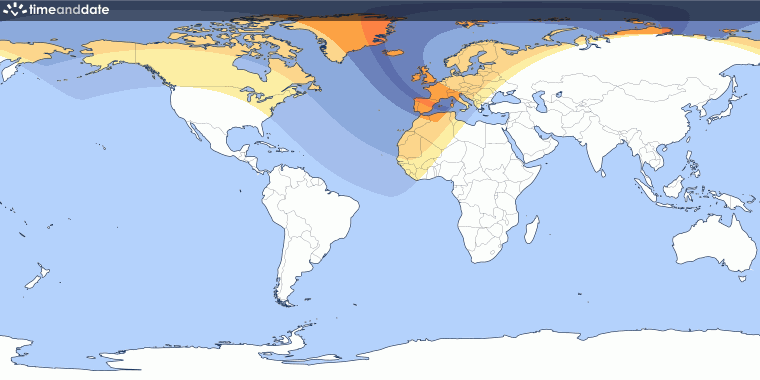
The private phases of the eclipse on August 12 will be visible in the western and central regions of Ukraine. For example, in Lviv, the Sun’s disk will be covered by 40%, in Zhytomyr by 12%, and in Kyiv by 2.5%.

