

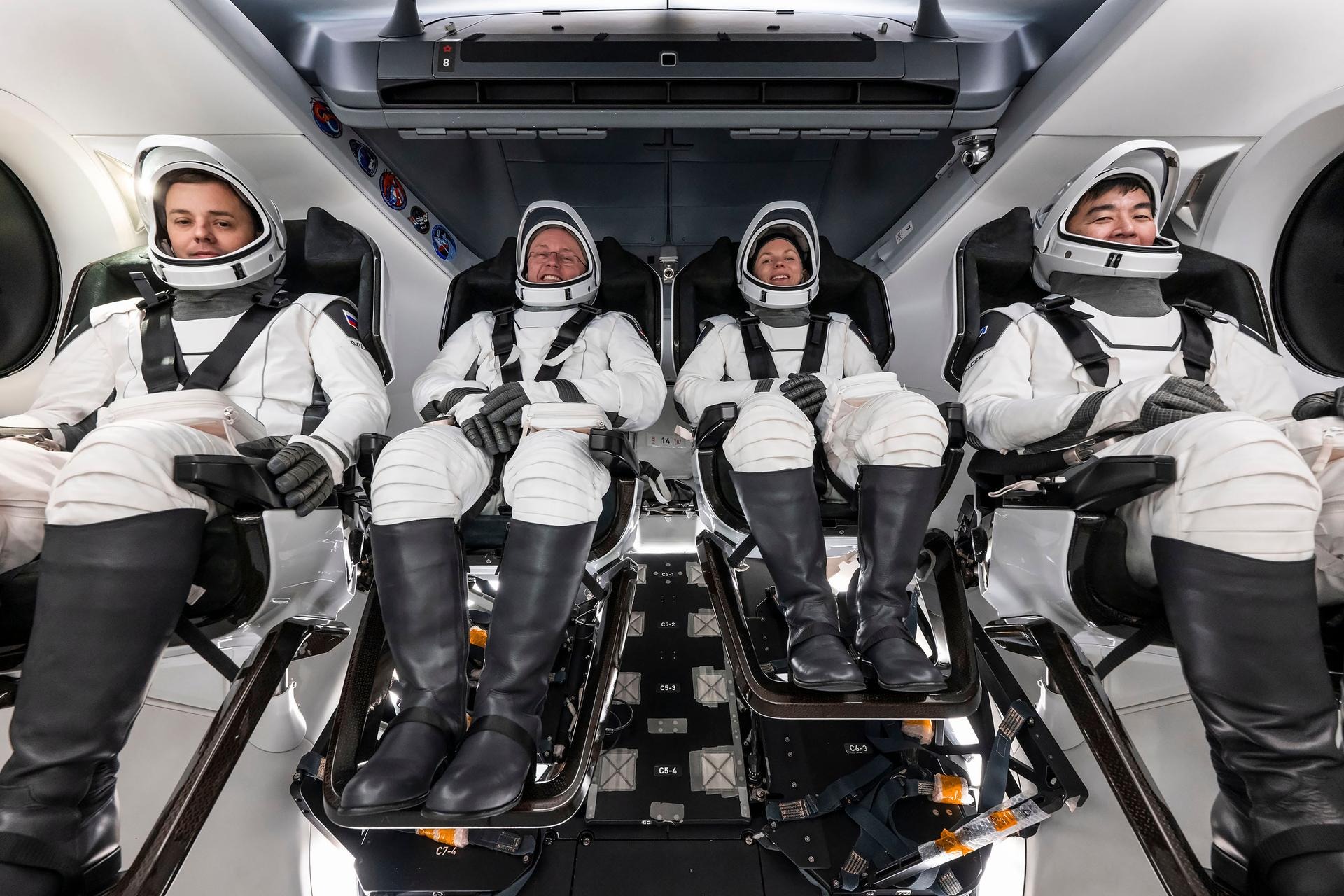
Israeli scientists from Sheba Medical Center and the American company Space Tango have launched a groundbreaking experiment. Its goal is to understand how weightlessness affects pathogenic microorganisms that threaten human health. To test this, the dangerous cargo was delivered to the International Space Station along with the NASA Crew-11expedition. The astronauts were accompanied by strains of Escherichia Coli bacteria and two types of salmonella – Salmonella bongori and Salmonella typhimurium.
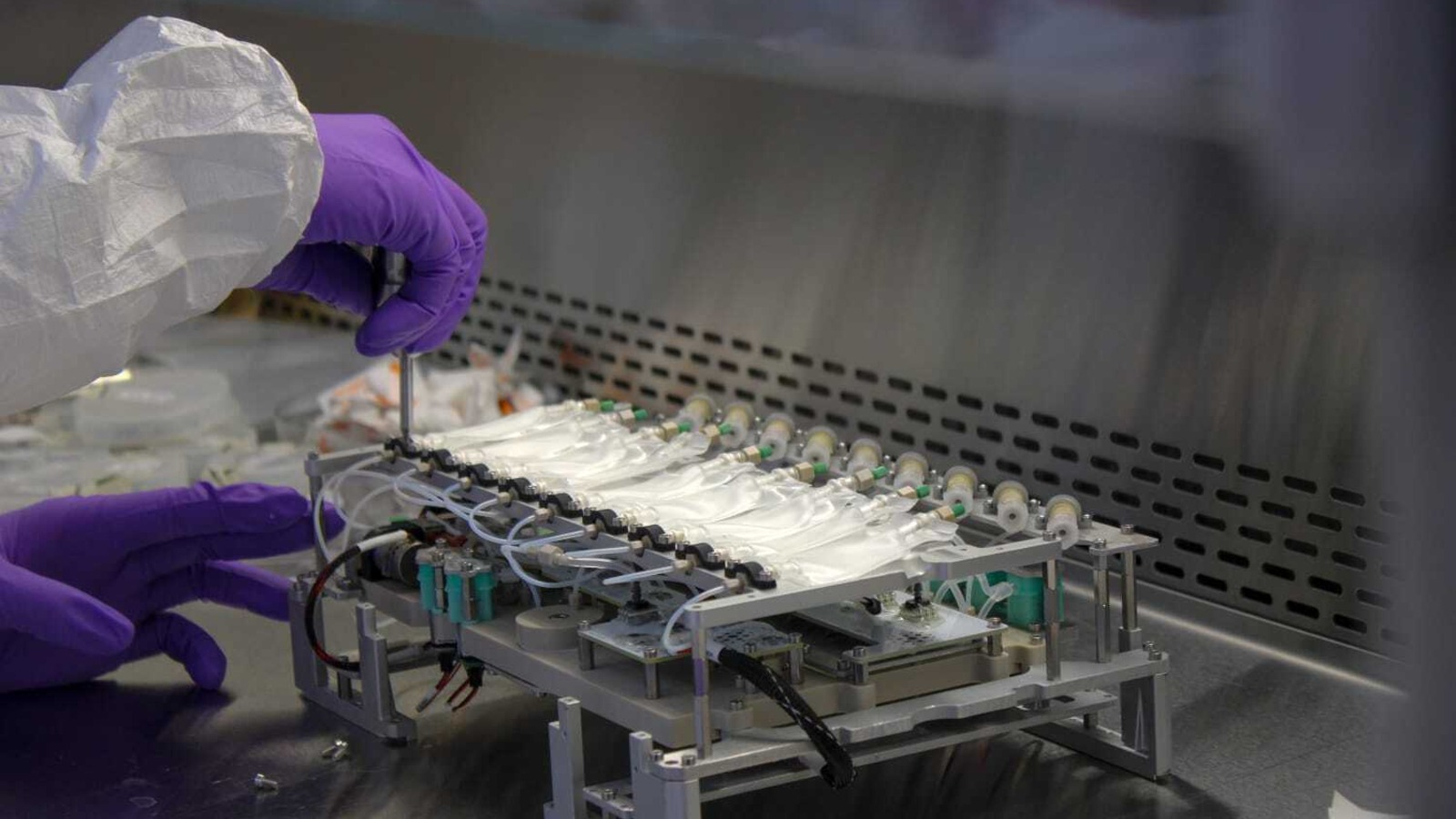
Bacteria will be grown in microgravity conditions on the ISS. After that, the samples will be carefully frozen to -80°C and returned to Earth for detailed analysis. The key task is to compare them with control samples grown in terrestrial laboratories.
Genetic secrets in zero gravity
Although NASA has studied bacteria in space before, this experiment is unique in its systematic approach and depth.
“We know that space conditions change the behavior of bacteria: they affect their growth, gene expression, development of antibiotic resistance, and ability to cause disease,” explains Sheba Center laboratory director Ohad Gal-Mor. The study will be the first to determine at the molecular level exactly how weightlessness alters the genetic profile of key pathogens.
Fighting superbugs
The expected results should go far beyond space exploration. A global problem is the emergence of antibiotic-resistant bacteria (superbugs) that cannot be treated. Studying how weightlessness accelerates or alters the development of such resistance and virulence (the ability to cause disease) could be a breakthrough.
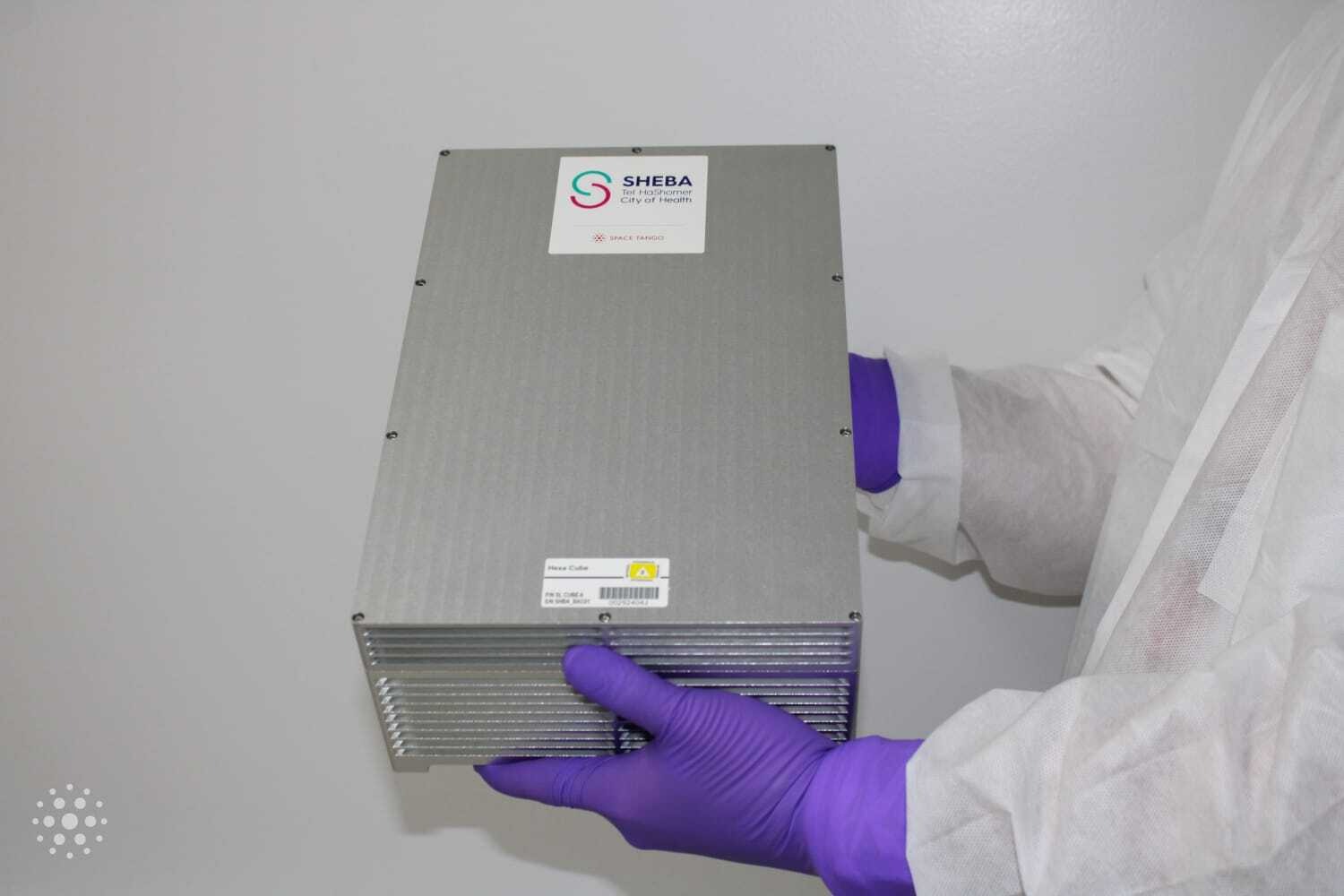
The results of the experiment will give scientists new clues for developing strategies to combat infections – both during long space flights and, most importantly, here on Earth. Unraveling the genetic changes in bacteria in space may point to entirely new ways of controlling dangerous diseases.
Earlier, we reported on how a microorganism unknown to science grew on the space station.
According to Space

