

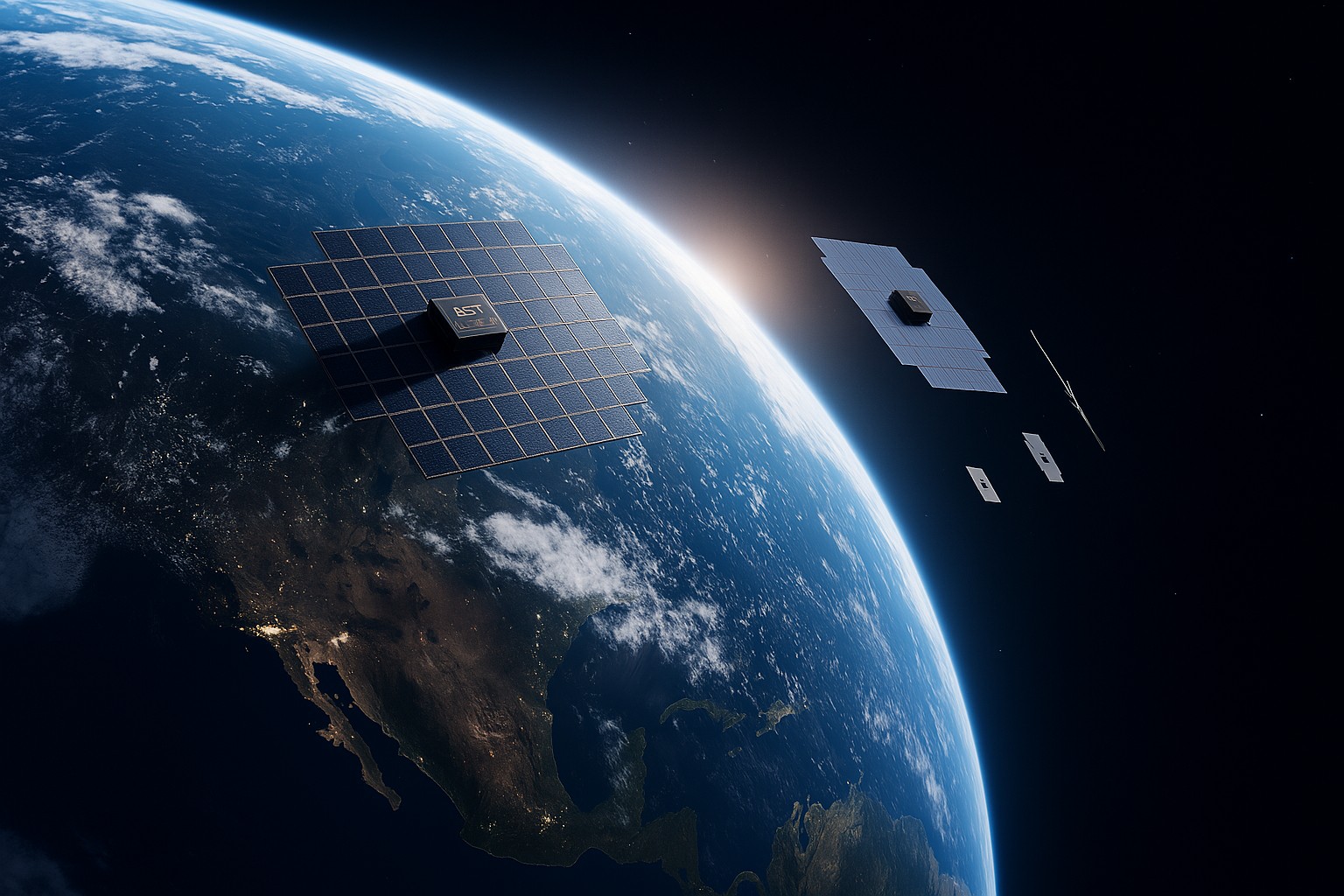
Elon Musk’s SpaceX is the undisputed leader in space infrastructure. Its Starlink network already has more than 9,000 operational satellites, accounting for more than 60% of all active vehicles in Earth’s near-Earth orbit. But Musk’s ambitions are even higher: SpaceX plans to launch tens of thousands more satellites for global internet coverage. This is causing concern among scientists about the impact on astronomical observations and the risks of catastrophic collisions in space.
Dispute between space rivals
Against this backdrop, a scandal erupted. SpaceX sent an official letter to the US Federal Communications Commission (FCC) sharply criticizing the plans of its competitor, Texas-based startup AST SpaceMobile. Musk’s company accuses AST of serious shortcomings in the safety planning of their future BlueBird satellite group. In particular, this refers to “critical gaps” in the assessment of collision risks and underestimation of the number of objects that need to be avoided.
SpaceX claims that AST mistakenly assumes that its satellites will remain in stable orbits and has not even adequately assessed the risks to people on Earth if the satellites are destroyed in the atmosphere. They called on the FCC to thoroughly review AST’s plans due to potential risks to space safety.
These accusations seem strange, given the scale of SpaceX’s own operations and the risks involved. Many observers see the complaint not so much as a concern for safety as an attempt by SpaceX to undermine a potentially dangerous competitor in the satellite internet market. The conflict between the companies has been going on for years. AST has already accused SpaceX of using anti-competitive tactics and manipulating regulators to divert attention from its own technical problems.
Real problems with AST
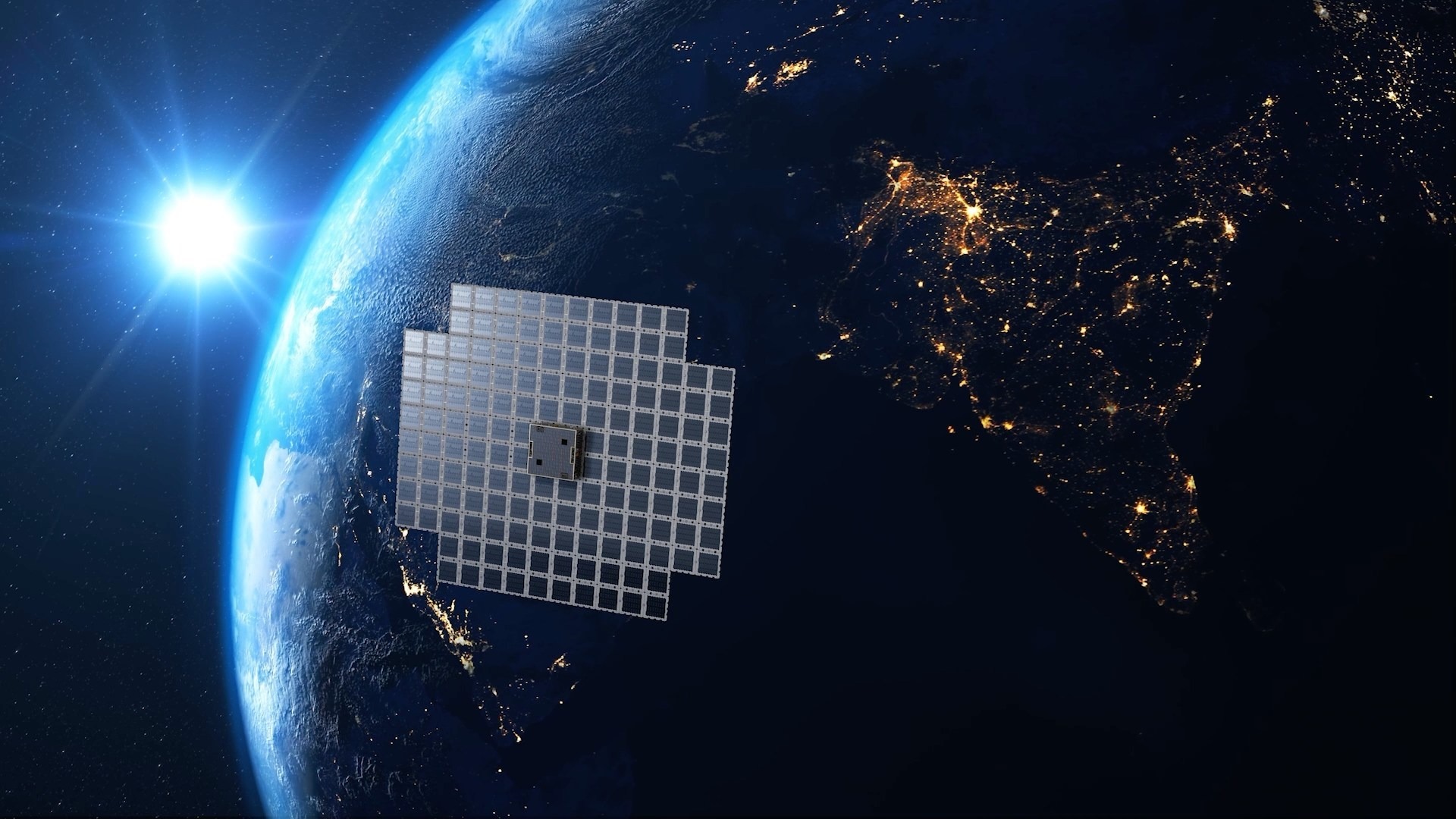
However, despite SpaceX’s motives, some of its comments regarding AST address real issues. BlueBird AST satellites are significantly larger than Starlink satellites. Each one is equipped with a huge antenna the size of a tennis court, making them extremely bright objects in the night sky. The BlueWalker 3 prototype has already become one of the brightest satellites in the sky, causing serious concern among astronomers due to light pollution and interference with observations.
The dispute between SpaceX and AST SpaceMobile is a mixture of competitive rivalry, regulatory battles, and genuine technical issues. Although SpaceX’s claims seem hypocritical given their own massive presence in orbit, questions about the safety and impact of large AST satellites on the space environment and astronomy are legitimate.
Both companies, as well as regulators, face a difficult task: to ensure the development of satellite technologies without turning near-Earth space into a high-risk zone where scientific research is impossible. The future of space infrastructure requires responsibility from all players.
Earlier, we reported on how SpaceX would burn up 100 Starlink satellites in Earth’s atmosphere.
According to Gizmodo

