

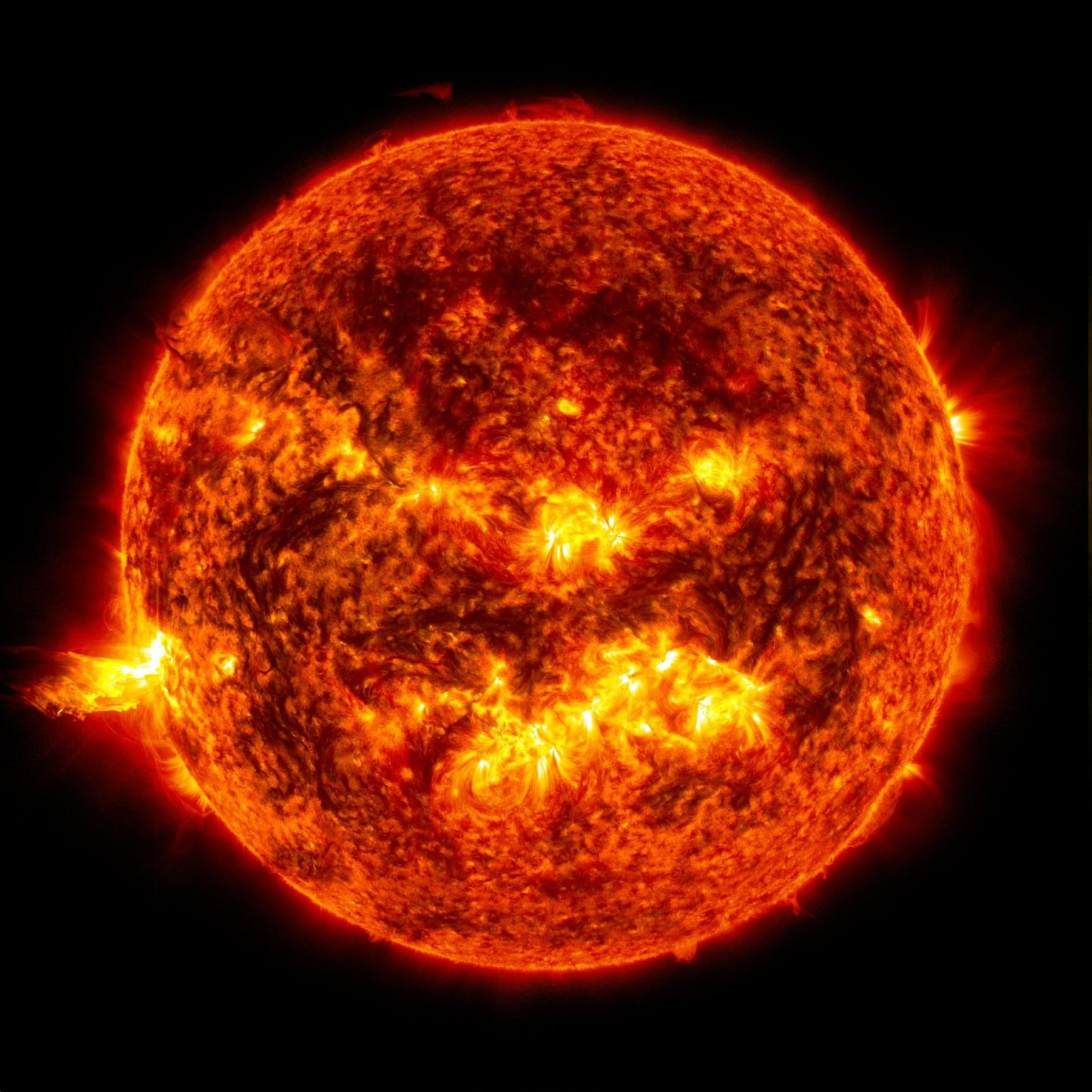
Seventeen years ago, astronomers recorded the lowest level of solar activity in the history of observations. At that time, scientists were almost certain that the Sun was entering a long period of calm. However, a new study published in The Astrophysical Journal Letters completely refutes this assumption. It turned out that 2008 was the starting point for a steady increase in the activity of our star.
The end of the “solar minimum”
NASA astronomers, including lead author Jamie Jasinski, analyzed key indicators of the Sun after 2008. The results surprised them: instead of the expected decline, many parameters, such as solar wind speed and magnetic field strength, began to rise slowly but steadily. This process does not fit into the usual 11-year cycles known as “solar activity cycles.”
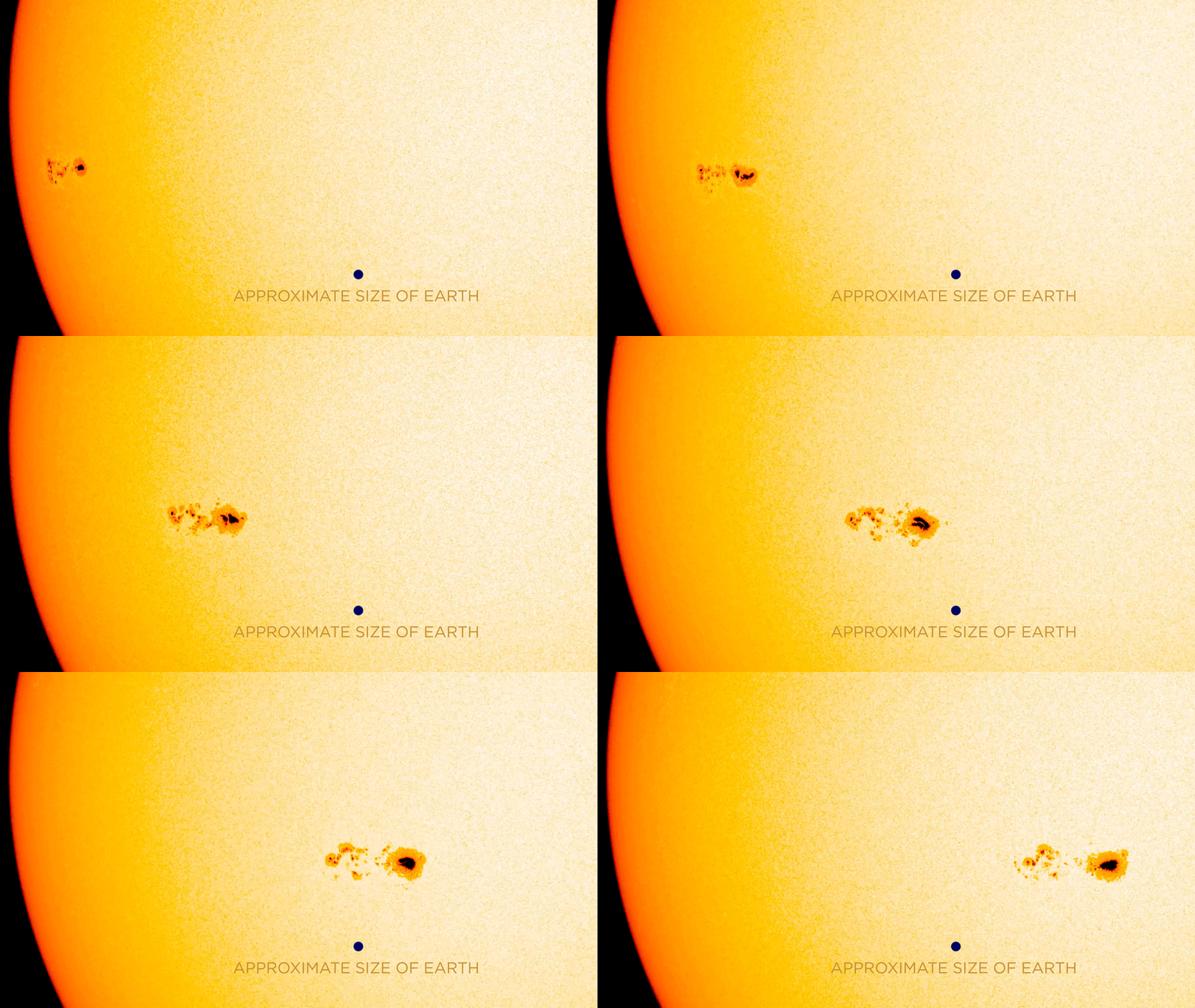
The normal solar cycle, lasting approximately 11 years, is characterized by periodic fluctuations in the number of sunspots. However, as it turns out, there are also longer cycles that scientists do not yet fully understand. Historical records show evidence of periods of extremely low activity lasting 30–40 years. After analyzing data collected since the 1980s, researchers concluded that in recent decades, the Sun has been moving toward a historic lull.
New phase of activity
However, careful study of solar activity after 2008 showed that the Sun’s plasma and magnetic field began to strengthen continuously. Data analysis indicates that the Sun is “recovering” after a decline lasting approximately 20 years. Between 2008 and 2025, key solar wind indicators grew steadily:
- Speed: increased by approximately 6%;
- Density: increased by approximately 26%;
- Temperature: increased by approximately 29%;
- Thermal pressure: increased by approximately 45%.
These figures indicate that the recent period of extremely weak solar activity was probably an exception to a broader, long-term trend.
Impact on Earth
Increased solar activity has a direct impact on our planet. Strong solar storms can compress the Earth’s protective magnetic shield, making it more vulnerable to harsh radiation and plasma flows. This could lead to the destruction of satellite networks and disruptions in electrical grids.
For space missions, collisions with solar weather phenomena are dangerous to the health of astronauts and the integrity of spacecraft. That is why NASA is constantly working to improve our understanding of the nature of these phenomena.
The authors of the study note that a prolonged increase in the dynamic pressure of the solar wind will have consequences for the environment around the Sun. This upward trend has been going on for more than 11 years. This indicates that the Sun is in one of those unusual, elongated cycles. When and how it will end is still unclear.
Earlier, we reported on how Korean chronicles revealed the secret of solar cycles.
According to nasa.gov

