

The amount of silver present in the Sun’s composition has had to be revised. New calculations show that there is 55% more silver there than previously believed. Thanks to the updated value, the discrepancy between our star and the oldest meteorites has disappeared.
A Chronicle of the Cosmos
The Sun consists almost entirely of hydrogen and helium. Heavier elements, including carbon, iron, and silver, account for only 1.5% of its mass.
Despite their tiny share, these trace elements contain information about the past of the Universe. Such substances are formed inside stars and during explosions at the end of their lives, later becoming part of new generations of stars and planets. Accurate data on the composition of our star help trace the chemical evolution of the Milky Way.
Analysis of Spectral Lines
The silver abundance was determined using spectroscopy, EurekAlert! reports. In this method, light is split into individual wavelengths.
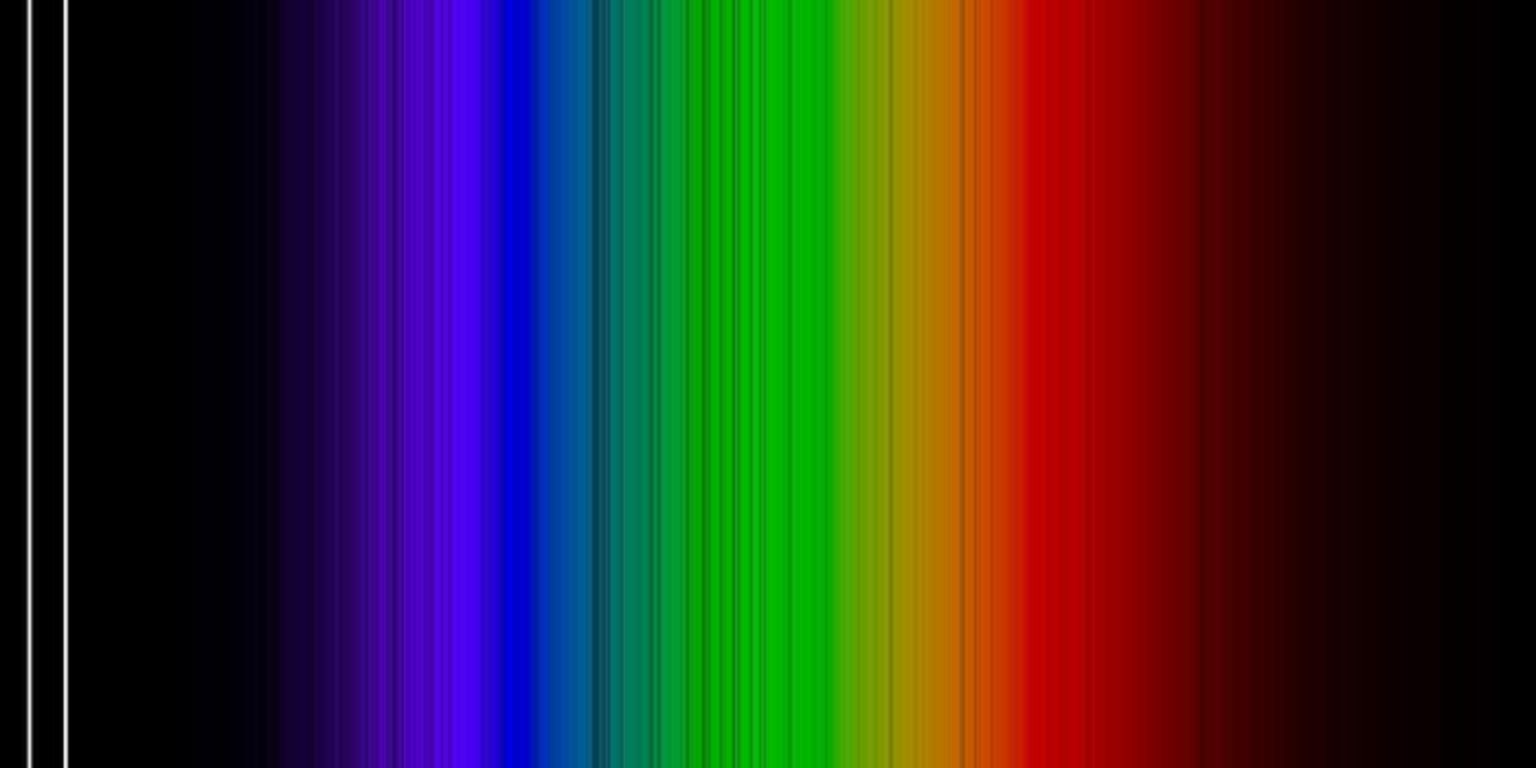
Atoms in the atmosphere of our sun absorb radiation coming from its hotter inner layers. As a result, dark absorption lines appear in the solar spectrum, the location of which is characteristic of each chemical element. The strongest spectral lines of silver lie in the ultraviolet range, invisible to the human eye.
By comparing the observed picture with theoretical predictions, scientists estimate the fraction of the required substance. Previous estimates were based on simplified models of the Sun’s atmosphere, while the authors of the new study combined three-dimensional modeling of its dynamics with advanced calculations of atomic physics. They also took into account non-equilibrium effects, where the population of the energy levels of atoms is determined not only by temperature, but also by the interaction with solar radiation.
The Mystery of the Missing Silver
The previously measured amount of this element in the Sun was noticeably lower than in chemically primitive meteorites. Both types of objects formed 4.6 billion years ago from the same gas-and-dust cloud, so the proportions of elements in them should match.
The new result brought the Sun’s values closer to the composition of these ancient fragments. The discrepancy that had troubled astronomers for decades has practically disappeared. A similar revision has happened before in astronomy. After more realistic three-dimensional models appeared in the early 2000s, the estimate of oxygen abundance in the Sun was reduced by about one third, giving rise to the still unresolved problem of the Sun’s chemical composition.
Prospects for the Method
The calculations were performed on the Swedish supercomputer Tetralith at the National Supercomputer Centre at Linköping University. The study was published in the peer-reviewed journal Astronomy and Astrophysics, and this type of analysis was applied to silver for the first time.
The same approach will now be tested on other stars of different types and ages. Study author Sema Çalışkan hopes to determine where in the Universe this metal is formed and how it has spread through the Milky Way over billions of years.

