

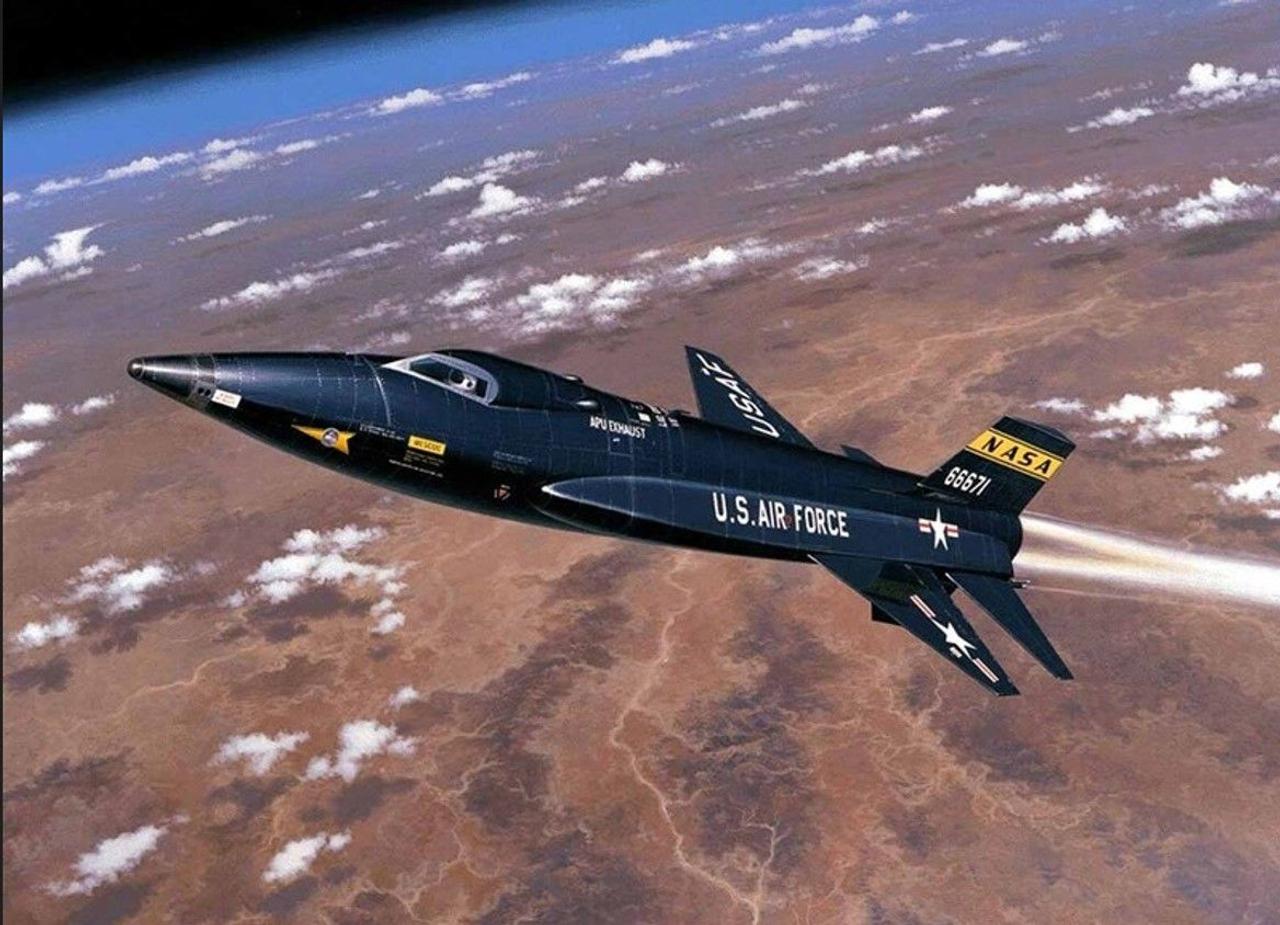
The X-15 is an American rocket plane that was used for test flights in the 1950s and 1960s. These unique aircraft could reach the edge of space, and one of them holds the record for manned flight in the atmosphere.
The fastest lifting vehicle
On October 3, 1967, an American pilot became the fastest person among those who remained within the boundaries of our planet and used a lifting vehicle with its own engine. Astronauts launching into space or returning from orbit can move faster. But for them, it is either a jet flight, without the use of wing lift, or, conversely, descent with orbital velocity damping.
Sixty years ago, William Knight accelerated to 7,274 km/h. Today, such a flight would be called hypersonic. It is still the fastest in its class, because aircraft similar to the X-15 are simply not used today, and pilots can only dream of flying so fast. So what kind of vehicle is it?
Have you ever wondered what the difference is between an airplane and a rocket? The latter uses only its own thrust to fly and therefore does not need air nearby. The former uses significantly less power to create lift thanks to the airflow that hits the wing with an aerodynamic profile.
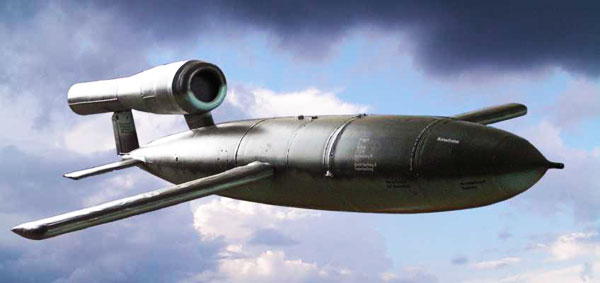
But what if we use a rocket engine on a winged aircraft? In an unmanned version, it would be a winged rocket. This type of weapon has been used successfully since World War II. However, such devices mainly fly low above the Earth and therefore cannot use the main advantage of combining a rocket engine and wings – creating lift even in the upper layers of the atmosphere, where the air is too thin for conventional aircraft to fly.
The most interesting question is whether the advantages of rockets and aircraft in terms of altitude and flight speed will combine, or whether the sum of their disadvantages will render the project unviable. The answer to this question was to be found in a manned aircraft called a rocket plane.
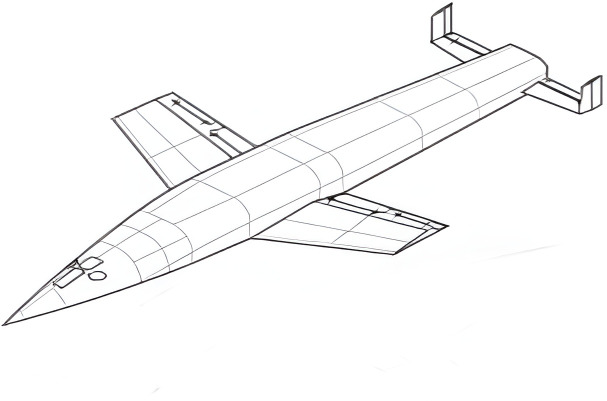
It was first proposed by Austrian engineer Eugen Sänger. In 1939, he launched the Silbervogel (Silver Bird) project in the Third Reich. The result was to be a bomber that took off on a suborbital trajectory and then performed a “gliding” high-speed flight in the upper layers of the atmosphere, making one complete orbit around the globe. In the process, it was to strike a target thousands of kilometers away from the launch site. The prospect was extremely tempting, because for the “Silbervogel,” there were no concepts of “too far” or “too dense air defense.” In practice, even at the stage of theoretical justification, too many questions arose about the idea, so it never progressed beyond the drawing board.
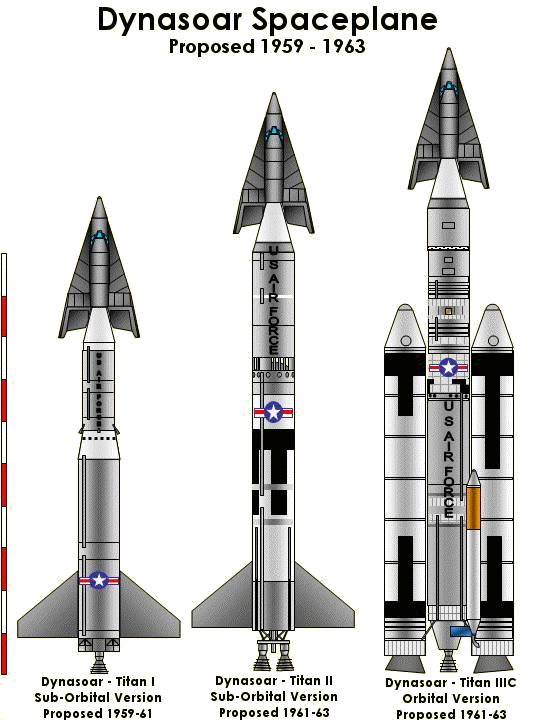
In the 1950s, the US Air Force turned to Zenger’s ideas. They named their project X-20 Dyna-Soar (from Dynamic Soaring), and it was supposed to be an orbital bomber. The aircraft was to take off vertically, accelerate with the help of a launch vehicle, reach the upper layers of the atmosphere, and then fly and land like an airplane.
The Dyna-Soar project was developed from 1957 to 1963, and this time it even got as far as creating a ground model, but no flights were ever carried out under the program. Even before the orbital bomber development program was launched, it was clear that people knew too little about how an aircraft behaves at such extreme speeds and altitudes. It was necessary to build a purely experimental rocket plane. That is what the X-15 became.
X-15 design
The creation of the X-15 began in 1955 by North American Aviation and Reaction Motors. The idea was simple: a 15-meter-long cylindrical fuselage containing the cockpit, fuel tanks, engine, and control cabin. On either side of it were a pair of wings with a wingspan of only 6.81 m. In the tail section, there were a pair of horizontal stabilizers and one vertical stabilizer. All this was powered by a rocket engine located in the tail.
The X-15 rocket was equipped with a system of small jet side engines that allowed it to stabilize flight and change course in conditions where aerodynamics no longer worked and the automated flight stabilization system failed.
When the capsule reached an altitude of 11 km, it was filled with neutral nitrogen, and the pilot himself breathed through an oxygen mask. An ejection system was also developed for his rescue, allowing him to leave the spacecraft at speeds of up to Mach 4 and altitudes of up to 23 km. However, it was never used during the entire period of operation.
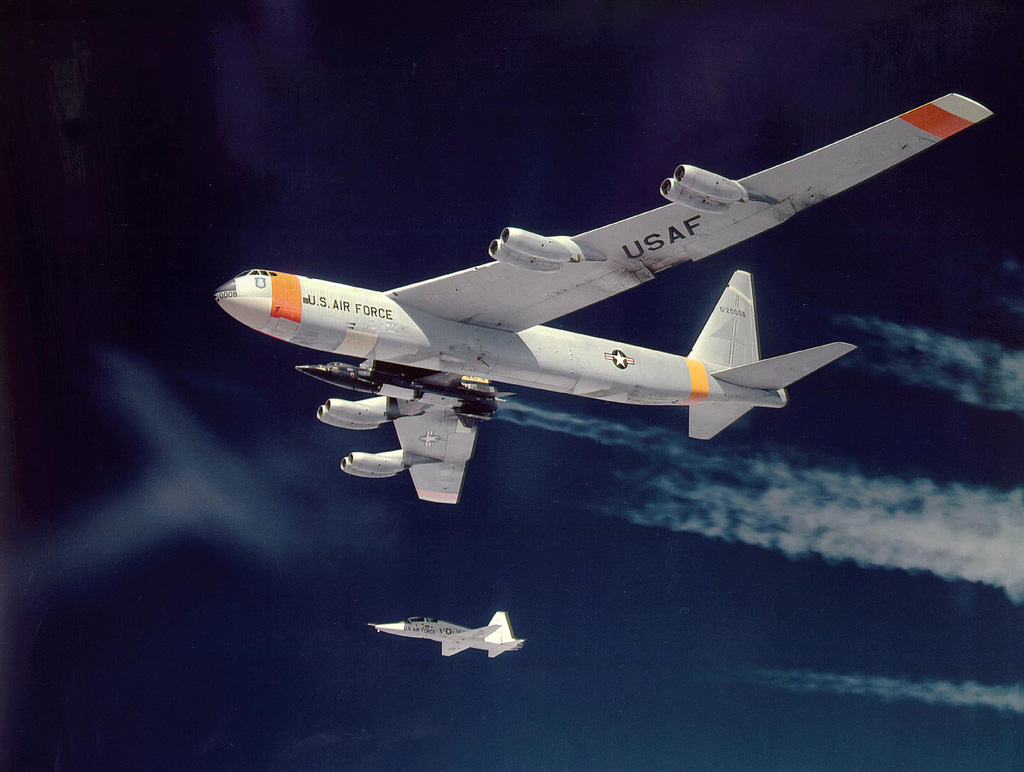
Of course, this entire structure simply could not take off from a conventional airfield. Therefore, an air launch system was developed for it. The rocket plane, together with the pilot, was dropped from a specially modified B-52 strategic bomber at an altitude of 13.7 km at a speed of 805 km/h. Then the pilot turned on the rocket engine and began his flight, which ended with a landing on the bottom of a dry lake.
X-15 flights
From the start of work on the project until 1958, it was planned that a modification of the X-15B would eventually be created, which would launch vertically on a rocket and perform a suborbital flight. However, after NASA began work on the Mercury program, these plans were canceled.
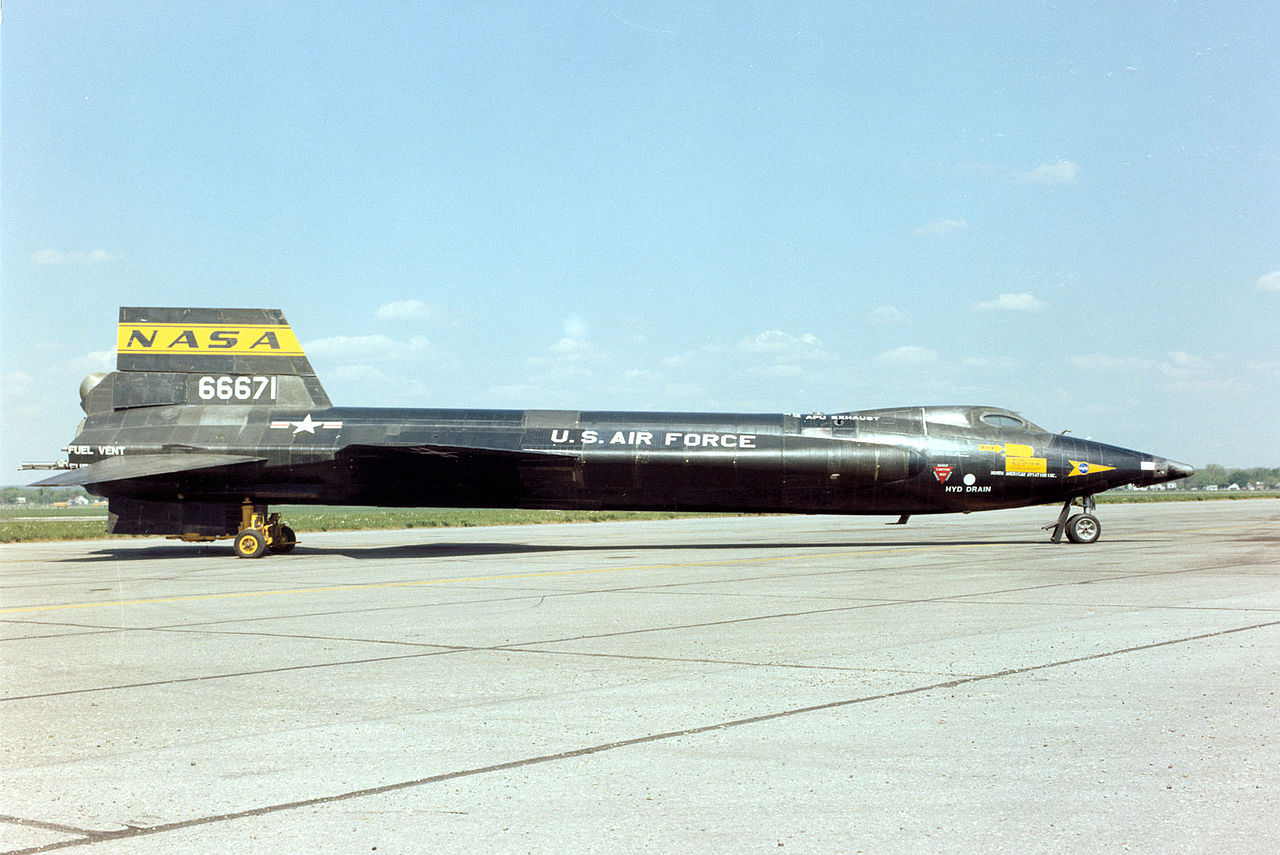
The X-15 made its first flight on June 8, 1959. It was piloted by Scott Crossfield, and the engine was not even turned on. The aircraft simply glided at high speed and landed.
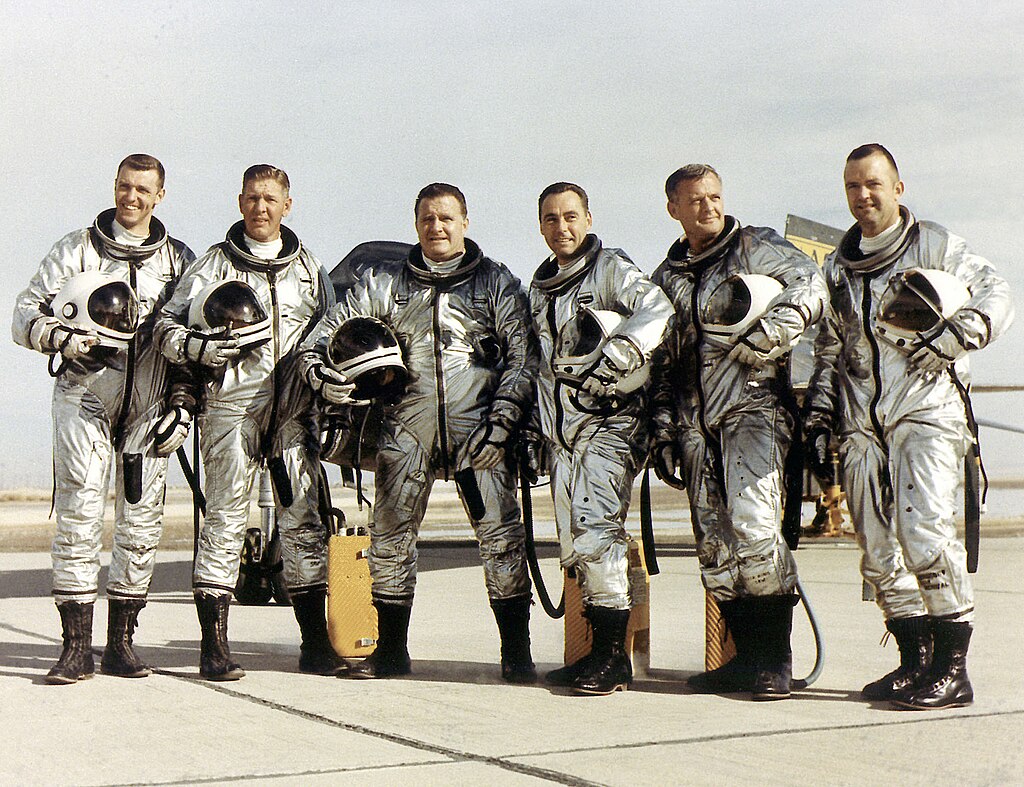
The X-15’s engine was first fired during a flight in September of that year. It was piloted by Scott Crossfield, who was the only civilian participant in the tests. Later, he was joined by his colleagues, military and naval pilots. In total, 12 people piloted the rocket plane during its years of operation.
In total, three aircraft and two carriers were built for them. At first, the achievements were not that great. For example, the aforementioned Crossfield did not reach a speed greater than 2,000 km/h or an altitude higher than 25 km in 14 flights. However, on the 45th flight, carried out on November 9, 1961, by Robert White, a speed of 6,587 km/h was achieved at a maximum flight altitude of 30.9 km.
The most famous participant in the X-15 flights was Neil Armstrong. Before becoming the first man to walk on the moon, he managed to make seven flights on the rocket plane. However, he did not achieve any particular success in this endeavor. His colleagues were much more successful.
In 13 flights, the X-15 surpassed the 50-mile (80 km) mark, which the US military then considered the boundary of outer space. Debates over whether the seven pilots who made these flights should be considered astronauts continued for decades. There was no dispute about Joseph Walker, because during two flights in July and August 1963, he reached altitudes of 106 and 108 km, which is higher than the internationally recognized boundary of 100 km. At the end of the second flight, Walker became the only person at that time to have been in space twice, albeit for a very short time.
Record-breaking flight
On November 9, 1962, the 74th flight of the X-15 took place. John McKay was the pilot. After separating from the carrier, he discovered that the engine was operating at only 30% power and was not responding to controls. The decision was made to make an emergency landing on the bottom of a dry lake. Before that, McKay was able to burn off a significant portion of the excess fuel.
However, things did not go according to plan again, because the rocket plane’s flaps failed and it was unable to slow down. In the end, the machine overturned but remained relatively intact. McKay was more fortunate, suffering a serious concussion and being forced to end his career in military aviation prematurely.
However, the rocket plane itself was successfully returned to service. It was even modified, with the fuselage lengthened by almost a meter. The aircraft, named the X-15A-2 modification, became an experimental platform on which ideas were tested. These ideas were too bold even for other rocket planes.
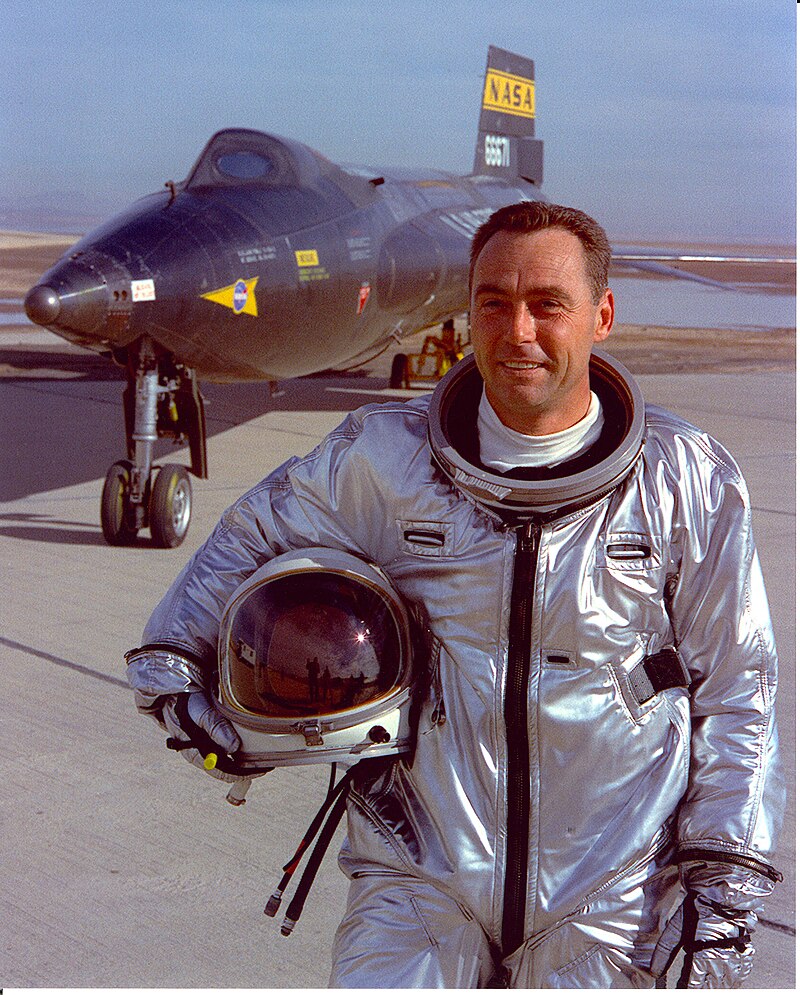
It was on this aircraft that William Knight made flight number 188 on October 3, 1967. The additional space created in the fuselage after modernization was used for a liquid hydrogen tank. It was supposed to power an experimental direct-flow engine. However, the latter was never completed, so a mock-up was installed on top of the fuselage instead.
Two additional fuel tanks for its main XLR-99 engine were located under the wings of the X-15A-2. They were expected to provide the aircraft with an additional 60 seconds of acceleration. According to the plan, Knight was to accelerate to a higher speed than before, at which the ramjet engine was to start working in the future, and see what would happen to the aircraft.
Engineers expected that friction would cause the machine to overheat, which even the nickel alloy of its body would not be able to withstand. Therefore, it was additionally protected with an ablation coating, similar to that used on spacecraft. However, this did not help completely.
After all, Knight accelerated to 7,274 km/h, which is 6.7 times the speed of sound. The X-15A-2 fuselage heated up to 1,480°C. The rocket plane held on for some time. According to the flight plan, it covered a distance of 342.79 km in 6 minutes and 10 seconds and was already approaching landing when the fastener securing the direct-flow engine mock-up to the fuselage finally burned through, and it broke off. The rocket plane itself continued to descend. Knight tried to jettison the fuel, but the system was not working due to overheating. The XLR-99 engine also reached a critical temperature. However, Knight still managed to complete the flight without an accident.
However, his colleague Michael Adams was less fortunate. On November 15, 1967, he was performing a new suborbital flight according to the test plan. He successfully reached an altitude of 81 km and began to descend when the aircraft went into a flat spin, or, in simpler terms, began to rotate uncontrollably around an axis perpendicular to its fuselage.
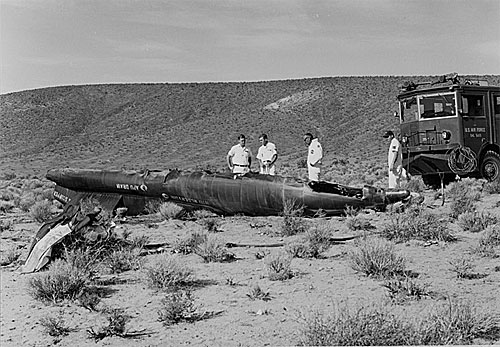
The cause of this, apparently, was the pilot’s loss of orientation. At an altitude of 36 km, Adams managed to pull out of the spin, but the plane continued to dive at supersonic speed. In a few seconds, it crashed into the ground, and the pilot was killed.
After some time, the X-15 program was shut down after 199 flights. Knight managed to take part in three more flights, then transferred to military aviation, made 253 combat sorties in Vietnam, then became director of a test center, mayor of a city, and senator. He flew 6,000 hours on more than 100 types of aircraft.
Until 1981, that is, until the Space Shuttle began operating, Knight remained the person who had made the fastest flight in Earth’s atmosphere. The record for manned flight with a working engine still belongs to him.
As for the X-15 program, although it did not lead to the creation of a true suborbital aircraft, it was extremely successful. Virtually everything that humanity now knows about hypersonic flight in the upper atmosphere is thanks to it. This means that new records for altitude and flight speed are still ahead.

