

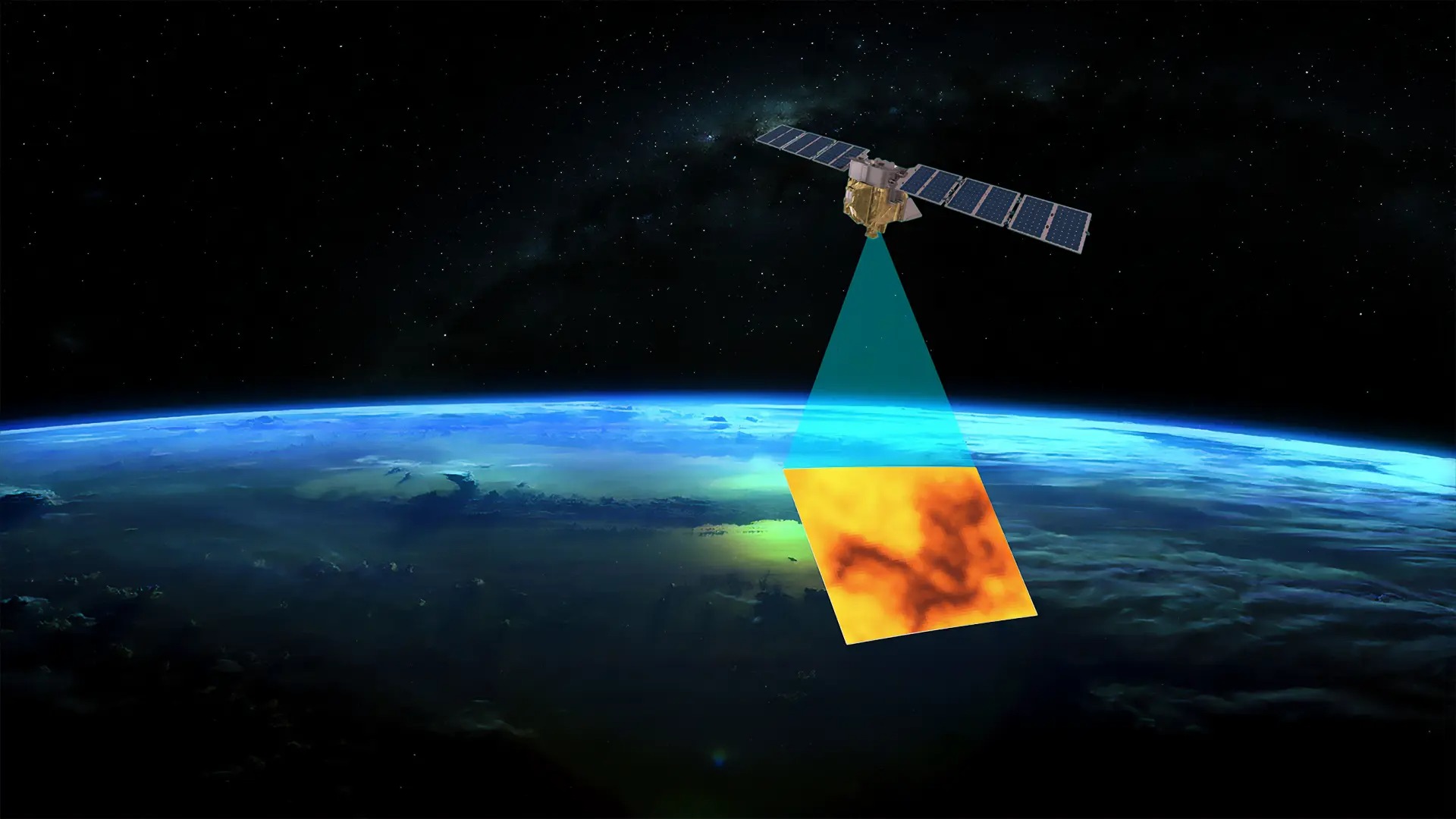
The MethaneSAT satellite, worth $88 million, designed for revolutionary monitoring of methane emissions from human activities, has suddenly disappeared. Launched into orbit by a SpaceX rocket in March 2024, it was supposed to operate for at least five years. Over the past two weeks, operators from the non-profit organization Environmental Defense Fund (EDF) have unsuccessfully attempted to reestablish communication. As it turned out, the vehicle lost all power, leaving virtually no chance of recovery. The cause of the accident remains unknown and is under investigation.
Mission objective: Find the invisible source of evil
This loss is particularly painful because MethaneSAT proved its incredible effectiveness in a short period of operation. Funded by Google and Amazon founder Jeff Bezos, the satellite was equipped with advanced technology capable of detecting methane emissions from space with unprecedented accuracy and tracking them to specific sources — oil and gas wells, pipelines, and storage facilities.
“We set out in this first year to demonstrate what was possible. And I think we demonstrated that,” said EDF Chief Scientist Steven Hamburg.
Why is methane so dangerous?
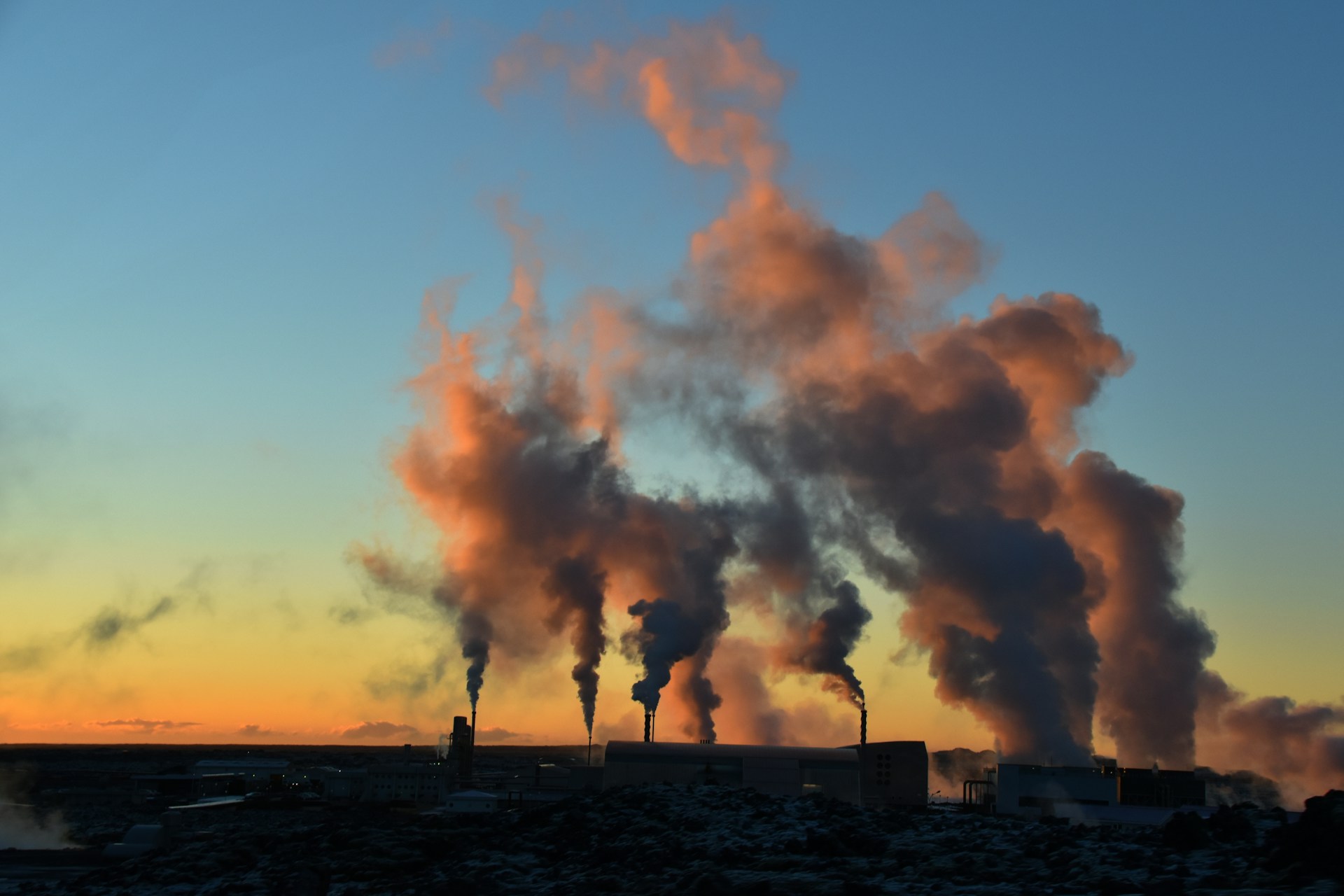
Methane is an extremely powerful greenhouse gas. Although it is present in the atmosphere in smaller quantities than carbon dioxide, its ability to retain heat is 28 times greater. This makes it the second most significant contributor to global warming. The main problem is the underestimation of its actual emissions. Methane often leaks uncontrollably during extraction, transportation, and storage. Studies have repeatedly shown that oil and gas companies systematically underreport their emissions.
Battle for transparency and consequences of loss
Satellites, including those belonging to NASA, are already monitoring methane. However, MethaneSAT was unique in its ability to identify specific polluting objects. Its open data has shown that oil and gas facilities in North America and Central Asia emit significantly more methane than officially reported.
The loss of this tool is a serious blow to efforts to hold polluters accountable and accurately assess global emissions, which is necessary to combat climate change. The investigation to determine the cause of the accident is ongoing, but there is little hope that the satellite will return to service.
Earlier, we explained the reality of global warming.
According to Futurism

