

NASA Administrator Jared Isaacman announced the launch of an ambitious project that could forever change the logistics of deep-space missions. We are talking about the Space Reactor-1 Freedom (SR-1 Freedom) mission—the first spacecraft in history equipped with a nuclear engine to leave Earth’s orbit. The launch is scheduled for December 2028.
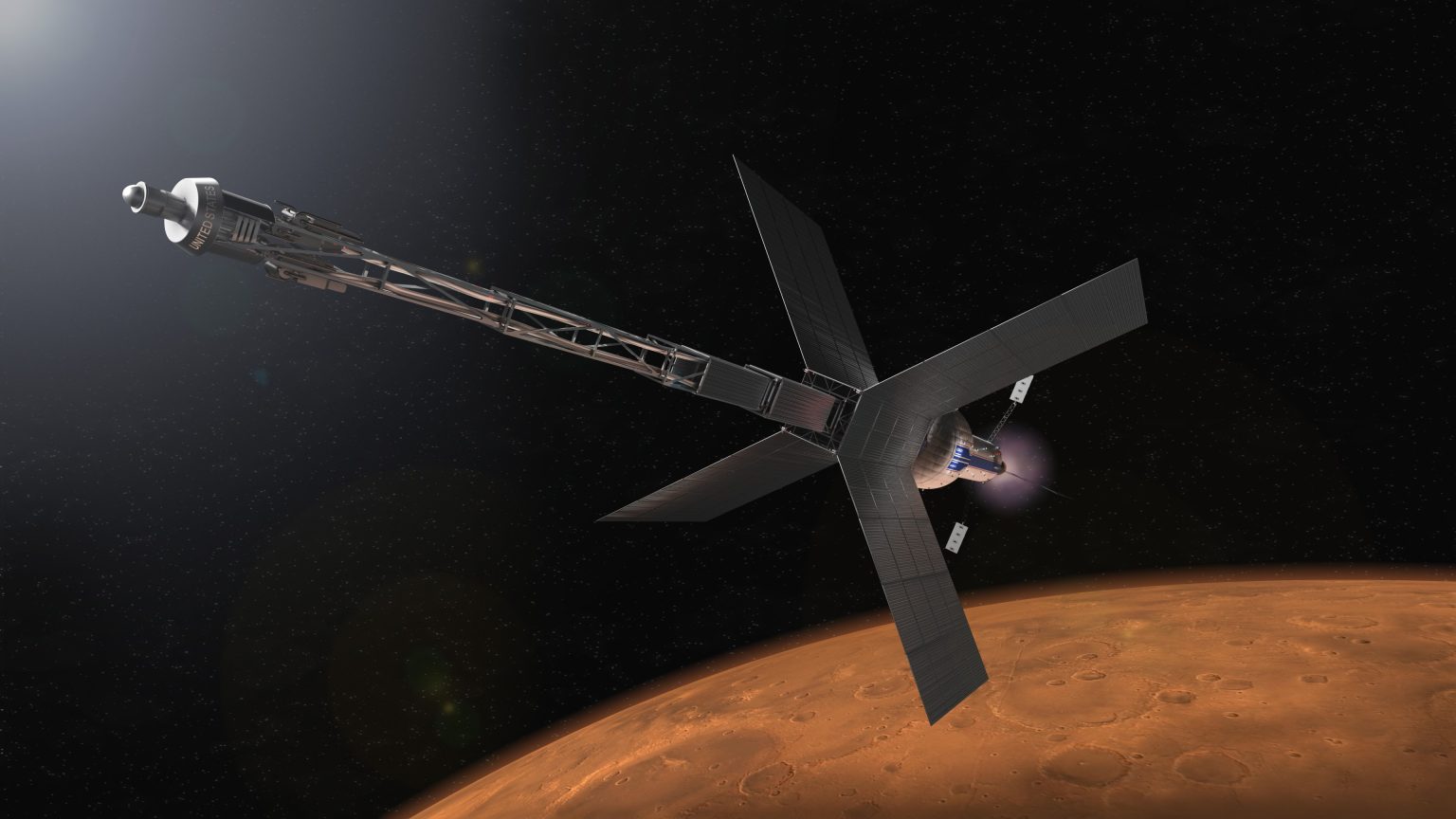
The main goal is to demonstrate that nuclear energy can effectively power electric motors in deep space. Until now, this technology has lacked only one thing: a clear goal and leadership. Now, under the banner of the Ignition strategy, NASA is moving from theory to practice.
Technology on the verge of science fiction
Unlike the projects of the 1960s, which used nuclear reactors simply to heat gas to generate thrust, the SR-1 Freedom employs nuclear-electric propulsion.
- Heart of the system: A nuclear reactor with a capacity of over 20 kW, fueled by low-enriched uranium.
- Power generation: The heat from the reactor is converted into electricity using a highly efficient Brayton engine.
- Propulsion: The generated electricity powers xenon ion engines, which provide constant and stable thrust throughout the entire flight.
Interestingly, NASA decided to cut costs: the engines and power systems were borrowed from a repurposed PPE module, which was originally designed for the Gateway lunar station.
The Skyfall project
SKYFALL IS GREENLIT!! https://t.co/oIEv6wbAi5 pic.twitter.com/8gxjc6Kk6A
— Gene (@SpaceBasedFox) March 24, 2026
The most spectacular part of the mission will be the scientific payload. Three Ingenuity-class helicopters will be sent to Mars at once. However, the landing system will be radically different:
- Without “sky cranes.” The drones will be deployed directly in the air as they enter the atmosphere.
- Autonomous landing. Each helicopter will land on its own.
- Searching for water. The rovers are equipped with ground-penetrating radar to map underground ice deposits. This is critical for future crewed bases, where water will need to be sourced locally.
Schedule at the limit of its capacity
The pace of development is impressive: initial work will begin in just three months, and by January 2028, all systems should be ready for assembly. If everything goes according to plan, in December 2028, a SpaceX Falcon Heavy rocket will launch the SR-1 Freedom on a one-year journey.
Thanks to the rocket’s high payload capacity, NASA plans to include student research projects in the mission as well, engaging young people in shaping the future.
A bridge to megawatt-scale systems
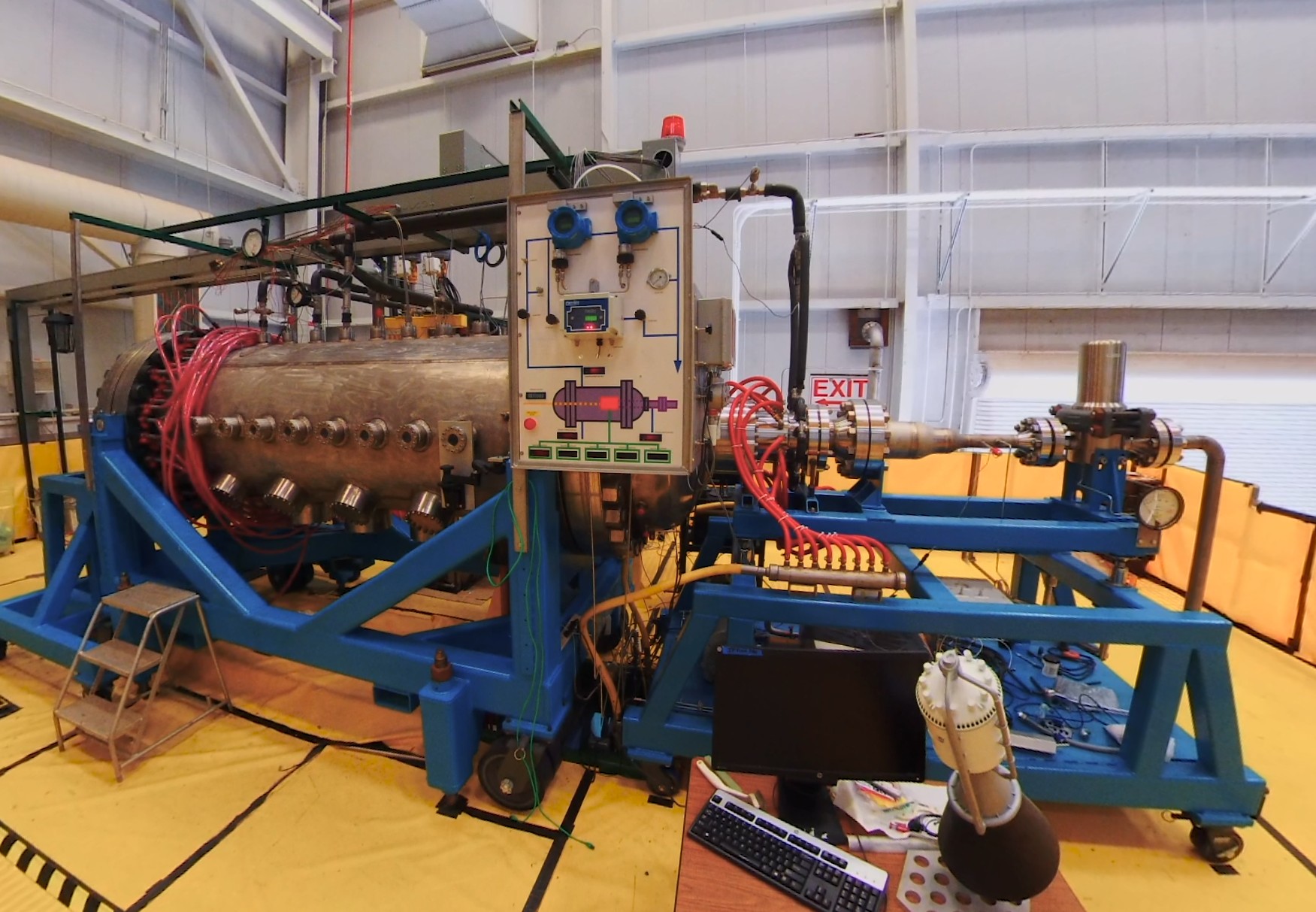
The SR-1 Freedom is merely a pilot project. The success of this mission will pave the way for the development of megawatt-class nuclear reactors in the 2030s. Such capabilities will not only make it possible to build massive lunar bases, but also significantly reduce the time it takes for humans to travel to Mars, making interplanetary travel safer and faster.
We previously discussed what prevented the development of a spacecraft with a nuclear engine.
According to NASA Space Flight

