

Chinese scientists have taken a significant step toward the future of interplanetary flight by developing the world’s first software for synchronizing time with the Moon. This tool will be key to navigation and communication in an era when humans begin to actively explore Earth’s moon.
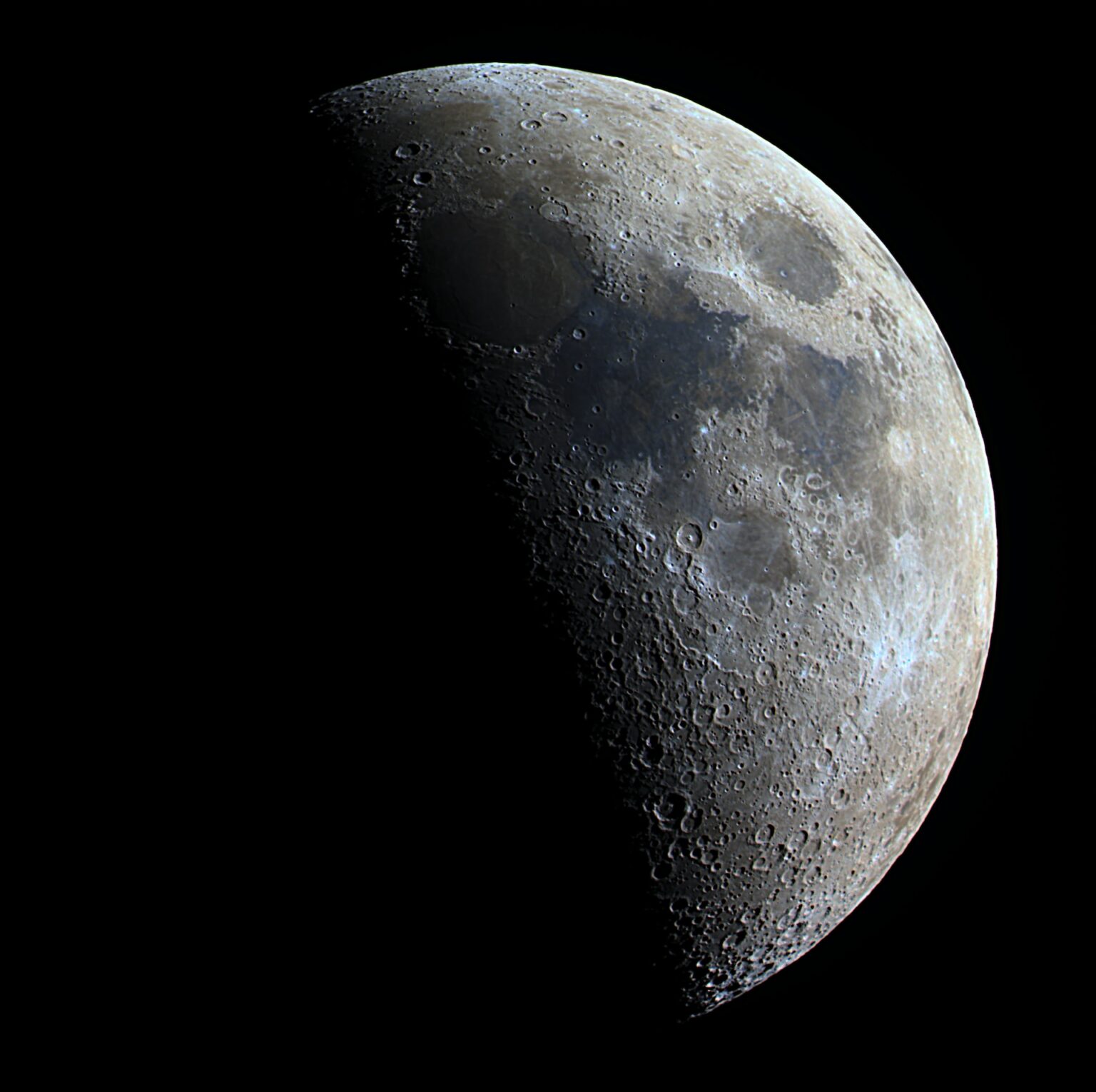
Why does time flow differently on the Moon?
The answer lies in Einstein’s brilliant theory: gravity and motion affect the passage of time. Since the Moon has a much weaker gravitational field than Earth, each lunar day is 58 microseconds longer. This is a negligible amount for us, but for the precision navigation of spacecraft and the operation of instruments, such a discrepancy in time can be critical.
Lunar Time Ephemeris
Researchers at the Purple Mountain Observatory have introduced software called LTE440 (Lunar Time Ephemeris). It takes into account all the intricacies of the Moon’s motion and gravitational effects, automating the most complex calculations. Users can now easily determine the exact time difference between Earth and its moon at any moment in the future. The developers claim that the tool will remain accurate for the next 1,000 years. The researchers published an article about their development in Astronomy & Astrophysics.
Global race for the lunar standard
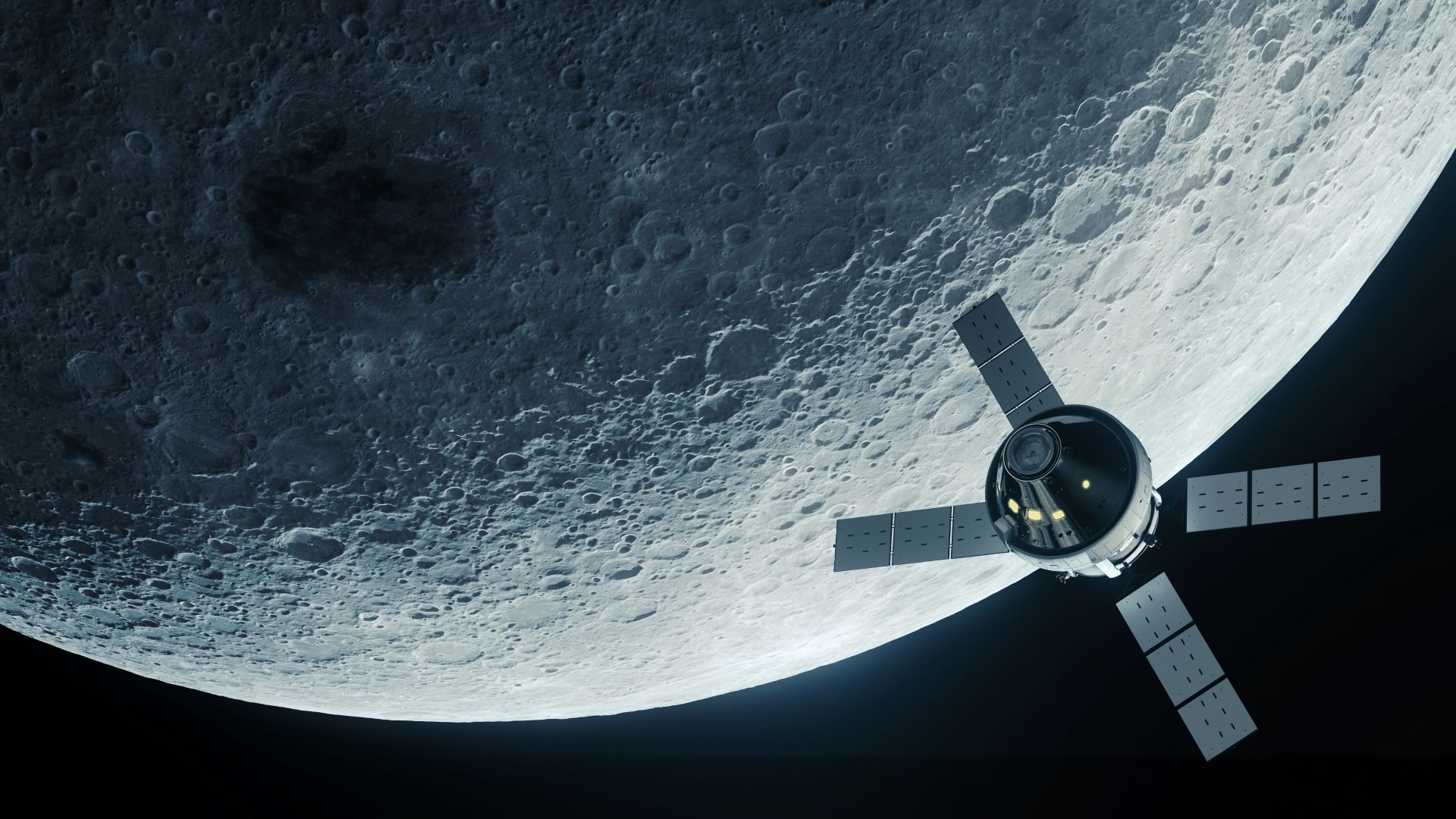
Interest in creating a universal lunar time (LTC) is growing rapidly amid the intensification of lunar programs:
- NASA is preparing the Artemis manned missions and has been tasked by the White House with developing a coordinated lunar time.
- China plans to land its taikonauts by 2030.
- The European Space Agency (ESA) is also looking for partners to develop its own standard.
Ideally, the plan is to create a single standard that will be used by all countries and private companies. Although China was the first to introduce a public tool, the international community has yet to agree on common rules for the lunar time zone. The first step toward synchronization with the Moon has already been taken.
Earlier, we explained how to measure time on the Moon.
According to Gizmodo

