

Texas-based Starbase Brewing has announced a highly unusual experiment to be conducted by the Crew-11 mission astronauts on the ISS. They will brew the first beer in space.
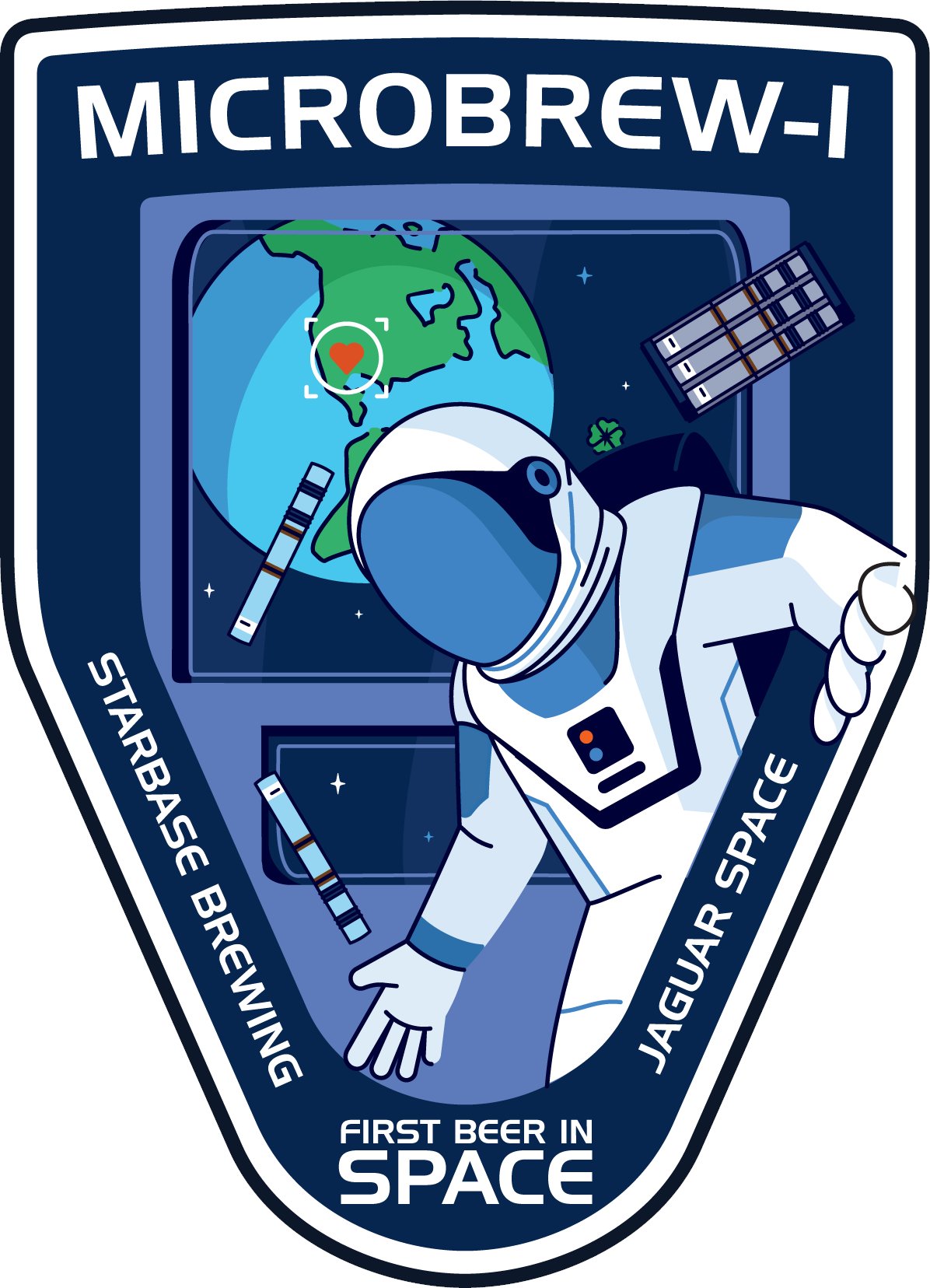
The experiment, called MicroBrew-1, was developed by Starbase Brewing in collaboration with Jaguar Space. Its goal is to study the effects of microgravity and radiation on the brewing process.
The experiment will use eight fluid processing apparatus (FPAs) placed in a group activation package developed by BioServe Space Technologies. Each FPA contains preloaded wort, a sugary liquid extracted from malted grains, and yeast in separate chambers.
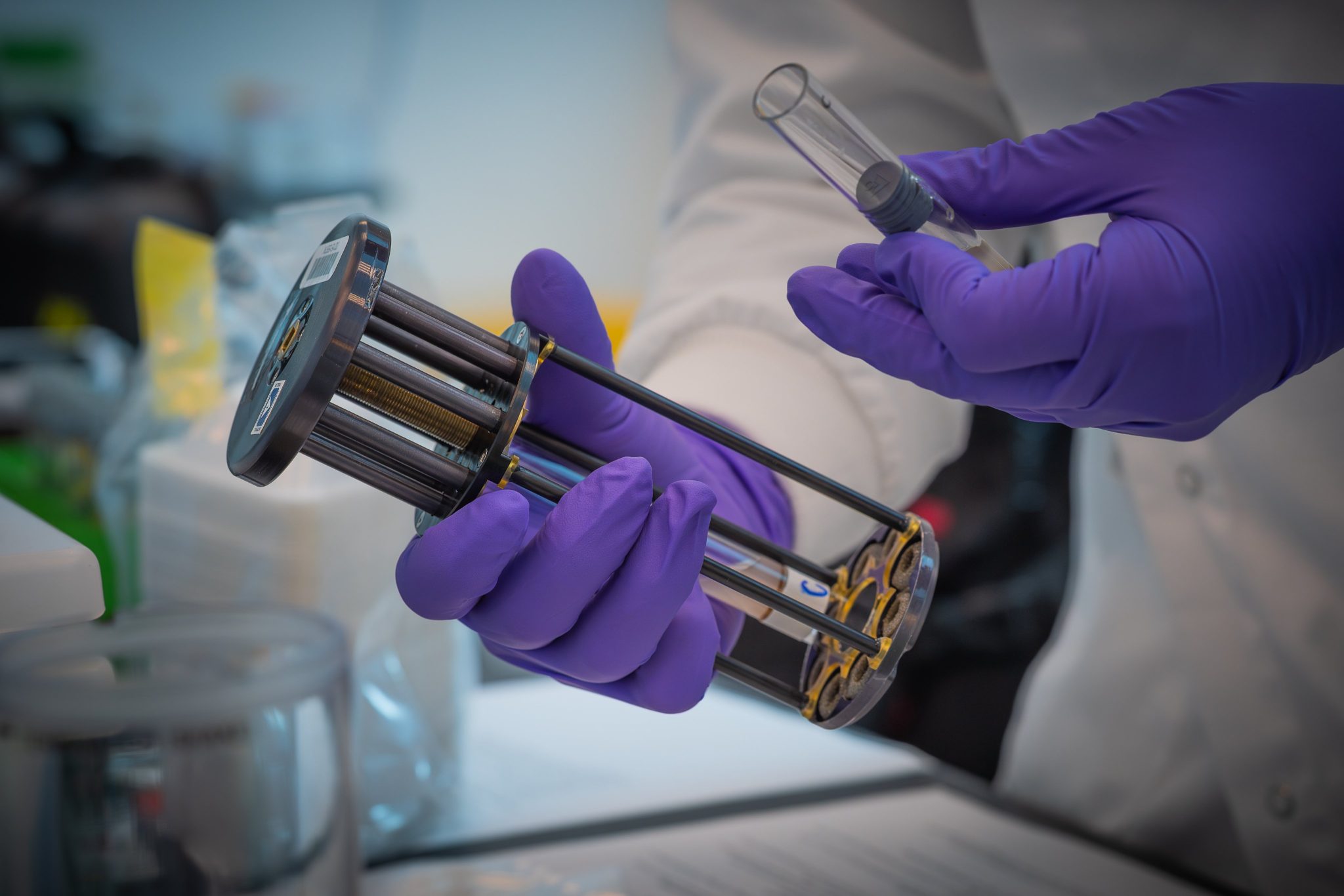
Upon arrival at the ISS, the astronaut will begin the fermentation process by turning the handle and mixing the wort and yeast. This action will start the experiment. Although yeast fermentation experiments have already been conducted on the ISS, MicroBrew-1 will be the first to use wort, which is an integral part of food and beverage production. Thus, the experiment will result in the production of the first beer in history fermented in space.
The main objectives of the study are to investigate the effects of weightlessness and radiation on yeast activity and fermentation processes. Special attention will be paid to observing the behavior of top-fermenting yeast, which, unlike on Earth, will not be able to rise to the surface. Researchers are seeking to understand how the absence of sedimentation, buoyancy, and convective flows affects yeast metabolism, fermentation kinetics, and overall bioprocess efficiency.
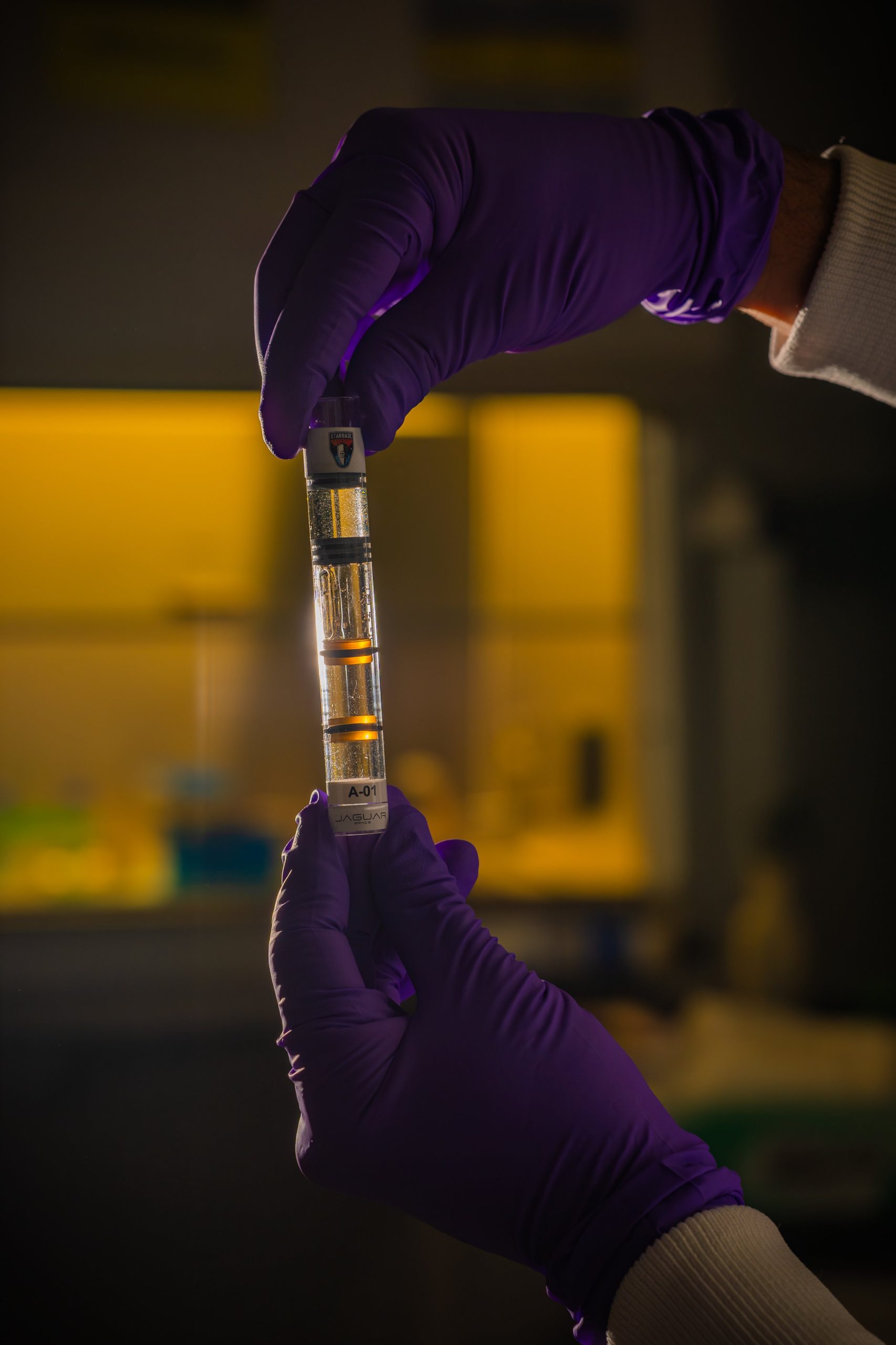
After a period of fermentation aboard the ISS, the payload is returned to Earth for comprehensive analysis. Partner universities use scanning and transmission electron microscopy to study cellular changes. Chemical and sensory evaluations will also be conducted.
According to the authors of the experiment, the study is important for ensuring the safety and sustainability of long-term space missions. Understanding how fermentation differs in space will help reduce the risks associated with fermentation-based processes. The results of the experiment may find application in the production of space food and beverages, life support, bioproduction, agriculture, and many other areas.

