

Numerous temperature scales are employed internationally. The history behind their development is intricate and tangled. Central to this narrative is Gabriel Fahrenheit, the individual who originally developed the modern thermometer.
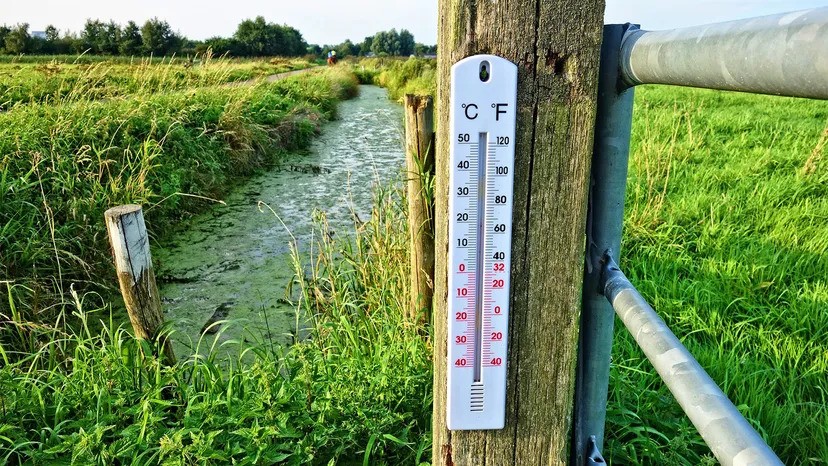
The Life of Fahrenheit
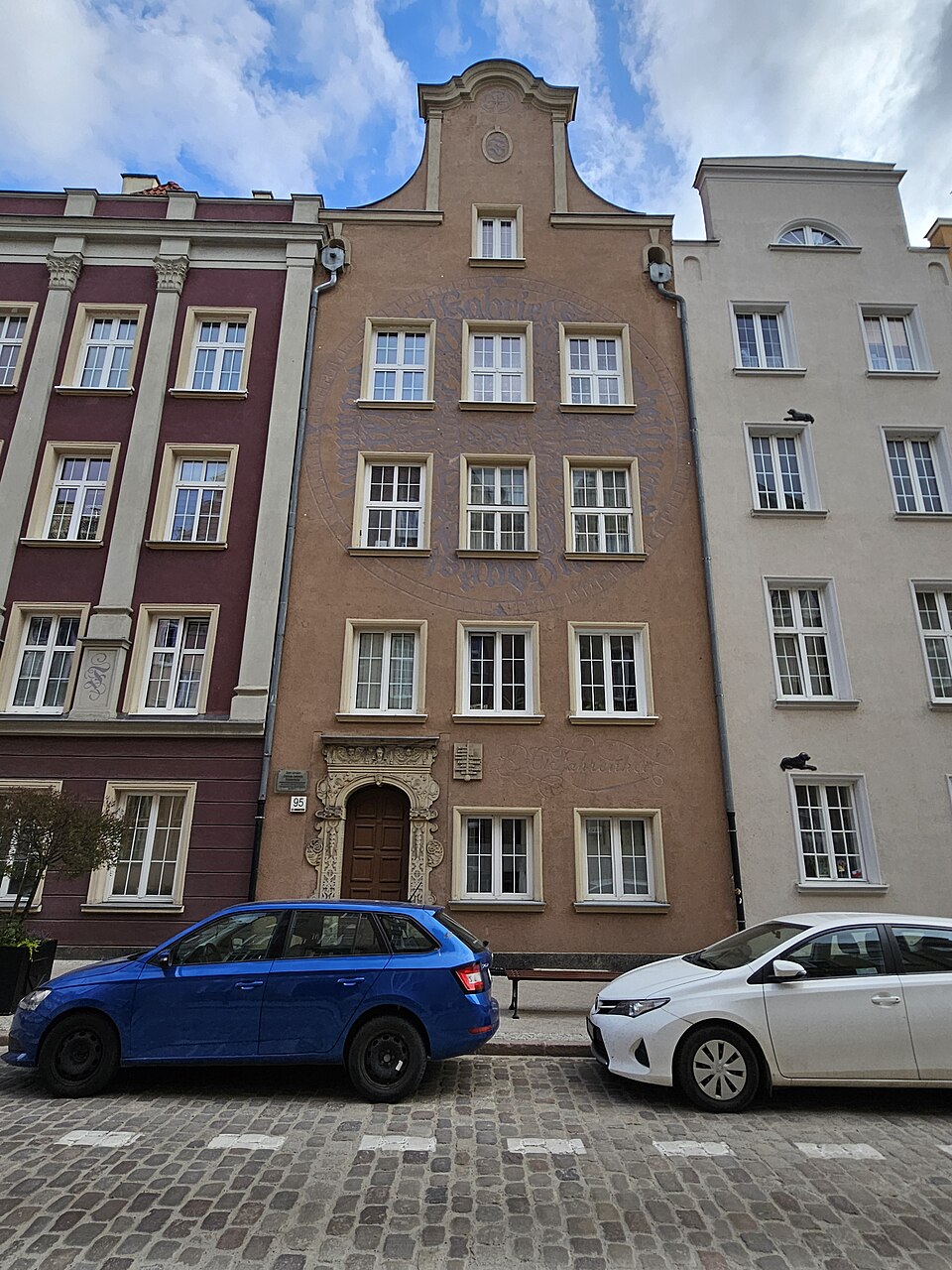
Gabriel Fahrenheit was born 340 years ago, on May 24, 1686. Although he is predominantly associated with the temperature scale utilized chiefly in the United States, he was born in Gdańsk, Poland, despite his German descent.
The Fahrenheit family were merchants within the Hanseatic League; however, his parents perished after ingesting poisonous mushrooms. It appeared that life had left the 15-year-old boy with little prospect of pursuing scientific endeavors, much less mere survival. Nevertheless, he was fortunate: his relatives managed to send him to Amsterdam to assist a local merchant and acquire knowledge in bookkeeping.
Fahrenheit dedicated the subsequent five years to residing there until he determined that he had enough and subsequently fled. During the following years, he traversed Scandinavia and the Holy Roman Empire until he arrived in his hometown of Gdańsk. It was during this period that the intricate and debated history of his development of the temperature scale commenced.
Who is Credited with the Invention of the Thermometer?
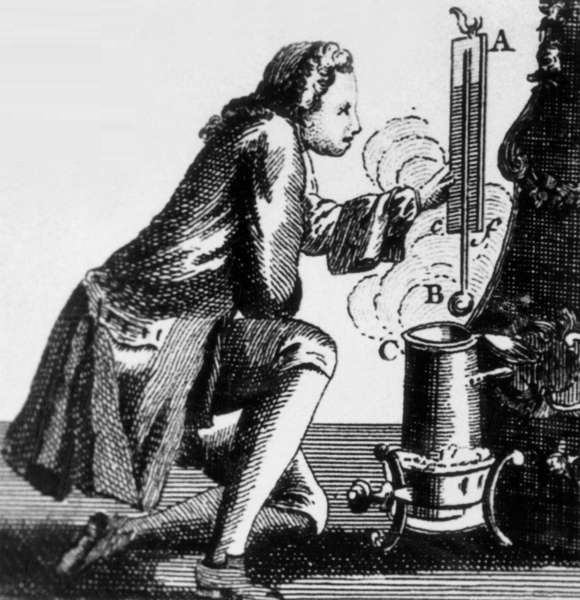
In general, the thermometer and its scales were invented long before Fahrenheit’s time, although it is impossible to determine the exact inventor. Galileo Galilei and the year 1597 are usually referenced; however, even concerning him, the narrative is not entirely straightforward. There are no descriptions of such a device in the scientist’s own works. Nevertheless, his students asserted that he indeed constructed it.
Simultaneously, they contribute to the ambiguity surrounding this matter. The reality is that the phenomenon of liquids expanding upon heating was already recognized by Heron of Alexandria, who lived in the 1st century BC. Indeed, he did not consider measuring temperature at the time; however, subsequent scientists such as Galileo did.
Nevertheless, thermometers were already quite prevalent in Europe several decades prior to the birth of Fahrenheit. However, merely observing the expansion of alcohol (the substance used in them at the time) is one aspect; establishing an accurate measurement system is an entirely different matter. Where should zero be positioned on the scale, and to what value should a degree correspond?
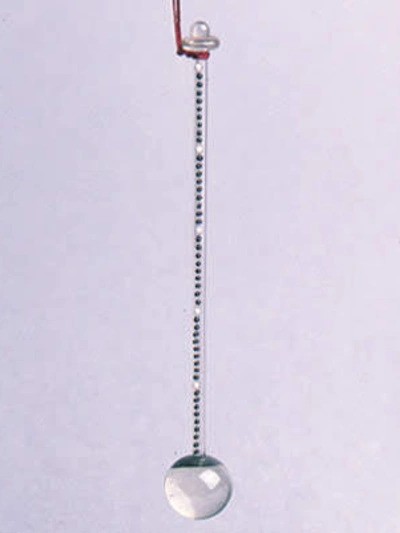
As early as 1665, the English scientist Robert Hooke and the Dutch scientist Christiaan Huygens proposed establishing the temperature scale based on the freezing and boiling points of water. Moreover, it was already evident at that time that the temperature of a healthy human body was also significant. However, they selected the degree as a unit of measurement in an exceptionally inadequate manner, equating it to the temperature change corresponding to a volume increase of alcohol by 1/500.
In principle, the approach appeared highly promising; however, the maximum temperature recorded was 13 degrees, and the minimum was -7. The temperature range was excessively broad to be practical, even for meteorological observations, let alone medical applications.
Isaac Newton undertook a second endeavor in 1701. He designated the freezing point of water as zero and devised the scale such that twelve degrees corresponded to the average human body temperature, while thirty-three degrees represented the boiling point of water. Although this marked an advancement, practical application still necessitated the use of tenths and hundredths of a degree.
The thermometer scale needed to be marked more precisely, or, as physicists say, calibrated. To do this, it was necessary to measure temperatures over a wider range. The Danish astronomer Ole Rømer succeeded in doing this.
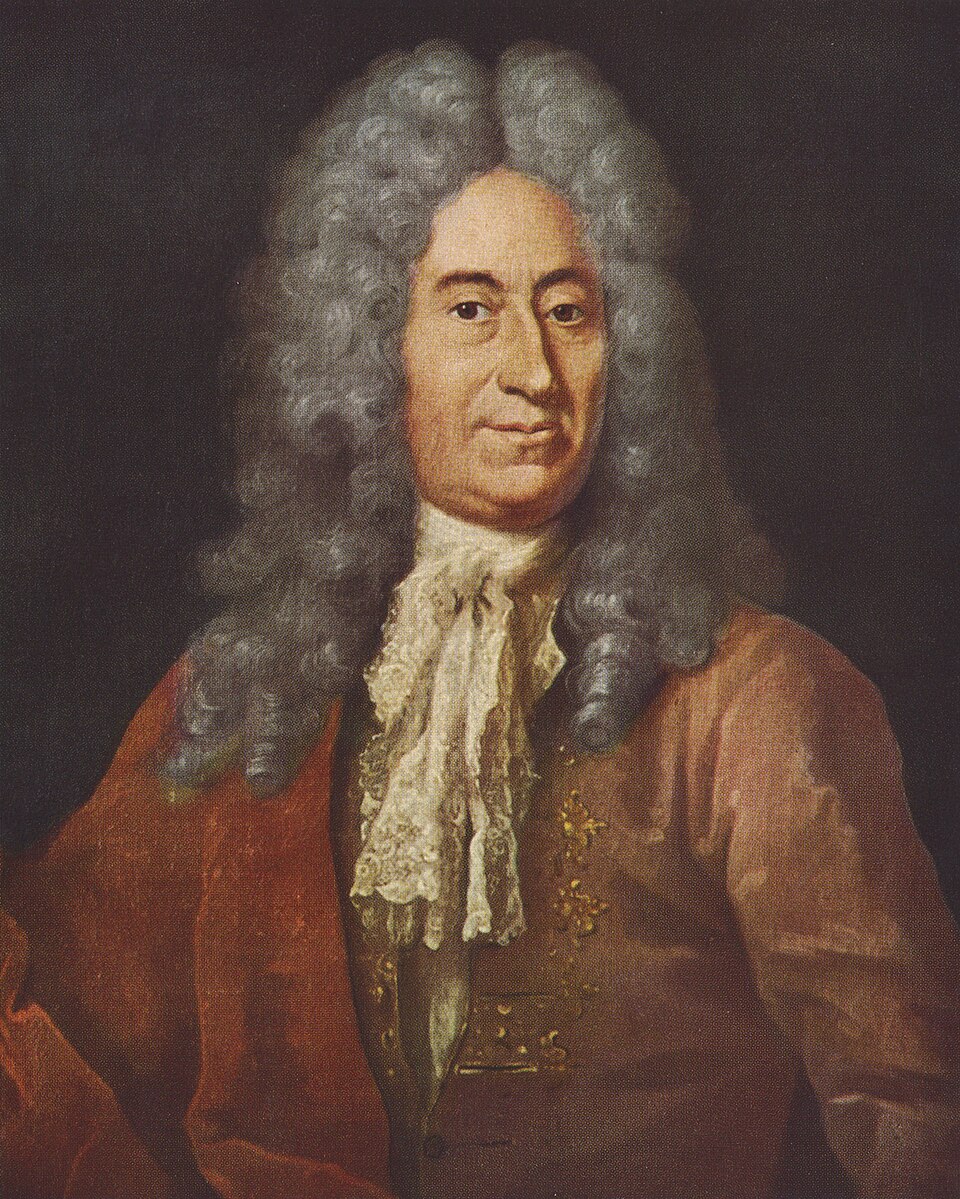
Rømer is primarily recognized today as the individual who first measured the speed of light, with his error being less than a factor of two — an accuracy attributable solely to an optical effect that was not understood at the time. Furthermore, he was an exemplary inventor in the domain of measuring instruments and played a pivotal role in Denmark’s adoption of its own unified system of physical measurements in 1683, as well as the implementation of the Gregorian calendar in 1700.
Rømer established the lowest measurable temperature during the most severe winter as zero and designated the boiling point of water as 60 degrees. Consequently, water froze at 7.5 degrees, and the average human body temperature was approximately 30 degrees.
Fahrenheit and his scale
Fahrenheit first encountered Rømer in 1708 during his travels. For over three centuries, this meeting has been the subject of numerous legends. According to the official account, the young scientist was inspired by the work of the elder gentleman and, upon his return to Gdańsk, independently devised the temperature scale by measuring the temperature of snow combined with ammonia.
However, even during their lifetimes, a theory emerged. The degree of the Rømer scale was still too large for practical use. Consequently, it appeared that Fahrenheit simply reduced it by a factor of four, while maintaining the same principle of scale division. In this manner, he was able to eliminate the inconvenient tenths in many instances.
In fact, the chronology is not entirely accurate. Gabriel Fahrenheit himself, who resettled in Amsterdam in 1718 and subsequently promoted his temperature scale while conducting experiments with various instruments he himself had designed, did indeed refer to the concept of multiplying Römer’s degrees by four. However, this does not alter the fact that on the scale he developed, the boiling point of water is set at 212 degrees, rather than 240 degrees, which would be the outcome of a straightforward multiplication.
Fahrenheit’s enhancements to the thermometer significantly contributed to the practical implementation of the new temperature scale. The alcohol utilized at the time for temperature measurement was relatively inconvenient for observation purposes. Although Fahrenheit was not the pioneer in employing mercury for this function — given its superior expansion properties — he was the first to recognize that this characteristic could be exploited to produce a more finely divided scale.

That is precisely why it became the first system to be used alongside mercury thermometers for a broad spectrum of everyday applications. This period coincided with the adoption of national measurement systems. Consequently, when the British Imperial Metric System was established, the temperature scale devised by a German inventor from Gdańsk, Poland, residing in the Netherlands, was adopted as the standard.
Other scales
Fahrenheit introduced his temperature scale at a meeting of the Royal Society in London on May 5, 1724. It appears that this development should have met with universal approval. However, this was not the case, as other scientists persisted in their research within this domain. For instance, his French colleague René Réaumur (to be distinguished from Römer) continued to conduct experiments with alcohol thermometers. He successfully calibrated the thermometer scale according to his estimated boiling point of water, assigning it as 80 degrees, with zero designated at the freezing point.
The French government, which traditionally held a dismissive attitude towards all innovations originating from England, expressed significant approval for his alternative scale. However, Réaumur was mistaken. He erroneously used the boiling point of an alcohol solution (78°C) as the boiling point of water, and this mistake was uncovered during his lifetime; nevertheless, instead of acknowledging that pure water boils at 108 degrees Réaumur, they increased the degree measurement itself to align with the original value.
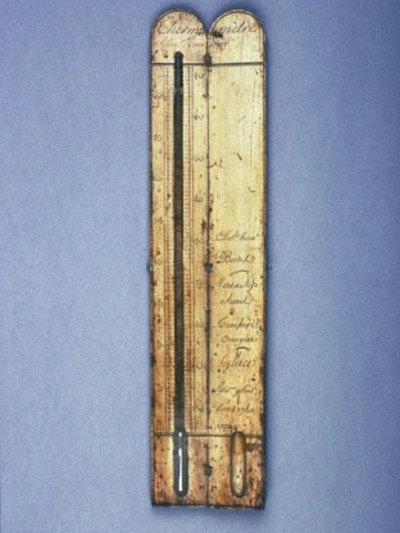
Who knows what would have happened if Réaumur’s followers had chosen a different path? Perhaps his scale would still be in use somewhere today, but instead it ended up in museums alongside the scales of Römer, Newton, and Hooke.
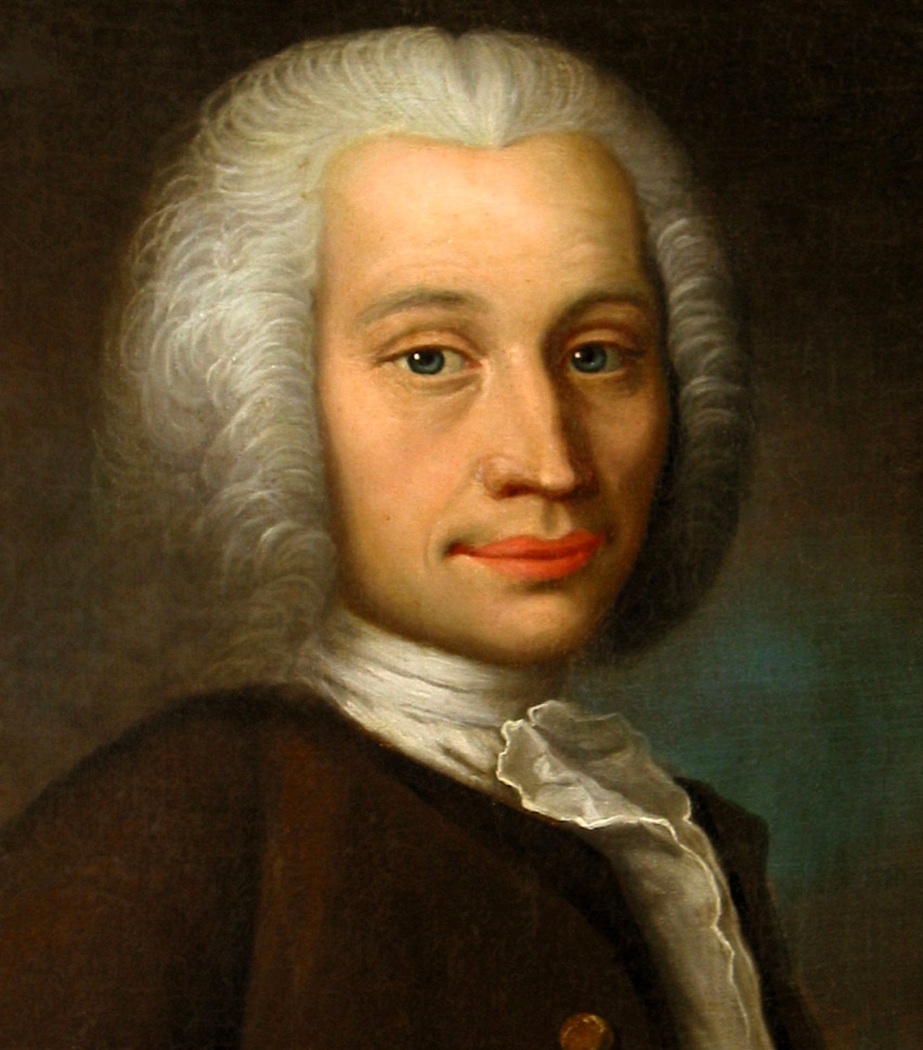
However, the implementation of the scale proposed in 1742 by the Swedish astronomer, meteorologist, and mathematician Andreas Celsius did not proceed as initially envisioned. At first glance, it appeared to lack viability. Not only was it proposed at a time when the Fahrenheit scale was already becoming widely adopted, but it also erroneously defined zero as the boiling point of water and 100 degrees as its freezing point.
The scale might have remained unknown to all, as Celsius passed away two years following its invention, prior to reaching his forty-third birthday. Nonetheless, his colleagues promptly acknowledged the significance of the concept and appreciated the substantial improvement when the scale was “reversed.”
The dissemination of these thermometers commenced progressively on a global scale. Initially, they were referred to as “Swedish thermometers,” later simply as the “100-degree scale,” and it was not until 1948 that the International Committee for Weights and Measures officially adopted the term “degree Celsius” as the standard unit of temperature measurement.
However, that was not the conclusion of the matter. As early as the 18th century, scientists commenced inquiries into the extent of the temperature scale beyond our familiar range. Although its upper limit remains challenging to determine even in contemporary times, it became evident that its lower limit was relatively close to the freezing point of water.
In the year 1848, William Thomson, Lord Kelvin, authored an article in which he asserted that a temperature of 273 degrees Celsius below the freezing point of water constitutes the lowest possible state of matter, now recognized as absolute zero. Given its significant role in physics, a new temperature scale was established, with zero corresponding to this extremely low temperature, and the measurement unit, equivalent in magnitude to a degree Celsius, is designated as the kelvin.
It is noteworthy that during that period, the Fahrenheit scale was still predominantly in use, necessitating an adaptation to incorporate the concept of absolute zero. Consequently, the Rankine scale was established in 1859. Its zero point is aligned with that of the Kelvin scale; however, it employed degrees Fahrenheit rather than degrees Celsius.
However, the initiative was never implemented. Although the British Empire — the largest in the world at the time — persisted in using the Fahrenheit scale, the 100-degree scale devised by the Swedish physicist was increasingly gaining acceptance within the scientific community and among other nations.
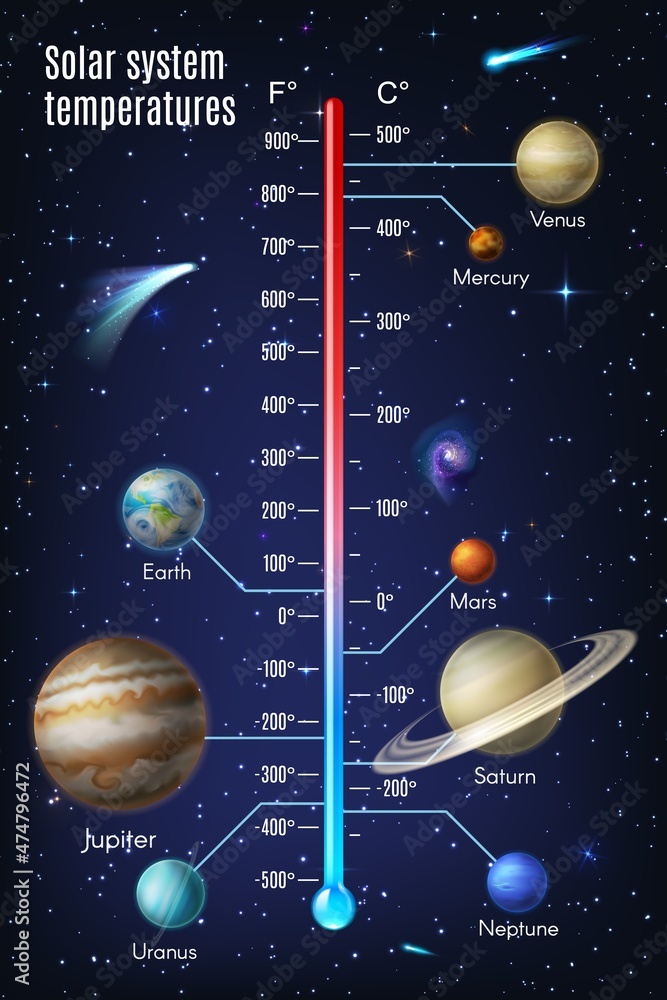
In the 21st century, even the United Kingdom has discontinued the use of the Fahrenheit scale. Only two countries and a few small island territories worldwide continue to employ it. Notably, one of these is the United States, where there are efforts to measure cosmic distances in feet and miles.
Consequently, the temperature of stars is frequently expressed in degrees Fahrenheit. As the United States leads in space exploration, other countries are compelled to accommodate this system in various ways. Therefore, it is essential to understand how to convert between the two measurement scales.
Procedure for converting temperature values between different scales
To convert degrees Fahrenheit to degrees Celsius, simply subtract 32 from the desired value and multiply the result by 5/9. Conversely, to convert degrees Celsius to degrees Fahrenheit, divide the value by 5/9 (or multiply it by 9/5) and add 32.
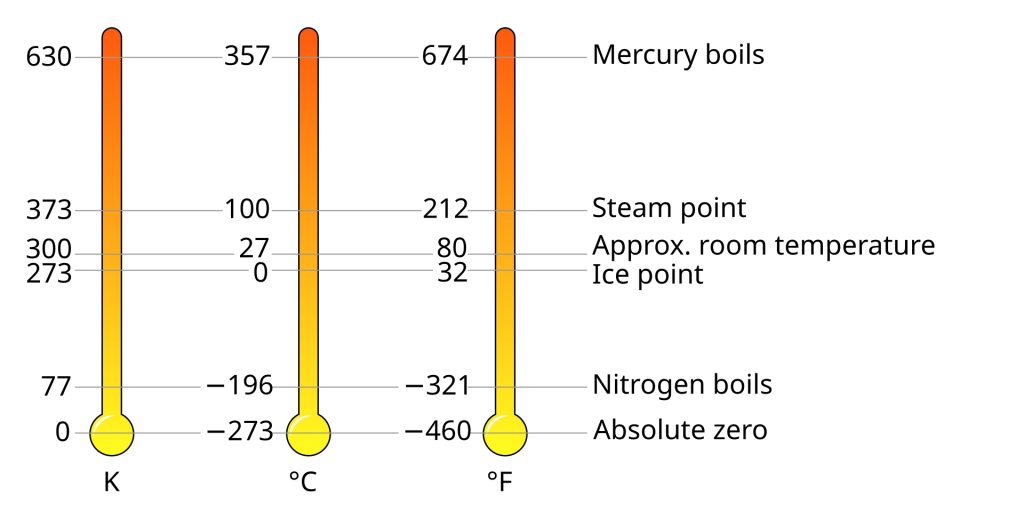
Converting to alternative scales, including those that are no longer in practical use, remains a straightforward process. Kelvin is obtained by adding 273.15 to Celsius. Consequently, to reverse the conversion, the same number must be subtracted.
The Rankine scale is converted as follows: either multiply the value by 5/9 to obtain Kelvin, or subtract 459.67 to derive degrees Fahrenheit. Subsequently, depending on the result, apply one of the procedures described above to convert to Celsius.
To convert from the Réaumur scale, multiply the value by 1.25. To convert in the opposite direction, multiply the degrees Celsius by 0.8. To convert Réaumur degrees to Celsius, subtract 7.5, multiply by 40, and divide by 21. For the reverse conversion, first multiply by 21, then divide by 40, and finally add 7.5. Finally, Newton degrees must be multiplied by 100 and divided by 33 to obtain Celsius.

