

Scientists have examined scientific articles and media publications from the last 30 years devoted to the search for extraterrestrial life. They analyzed in which aspects and promises scientists were overly optimistic, and in which journalists distorted everything.
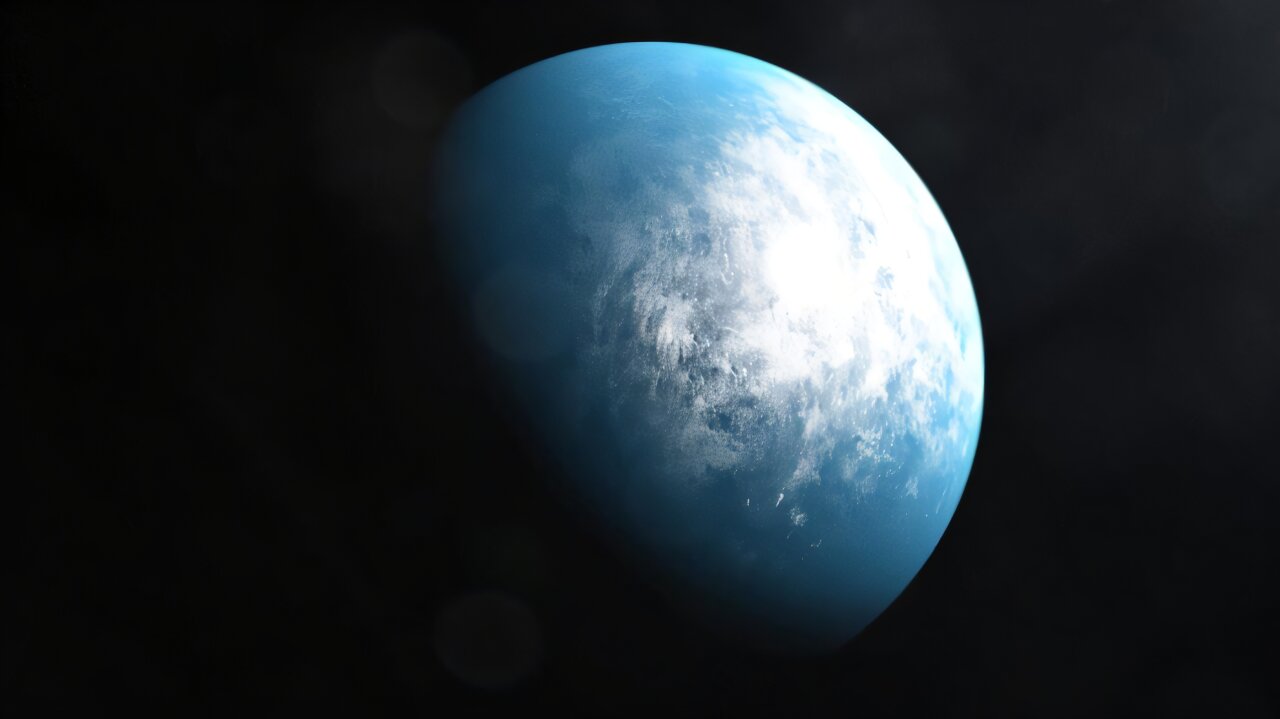
Research into extraterrestrial life
So far, no life has been found beyond Earth, but publications about the prospects for such research continue to appear one after another. And not only in scientific publications, but also in popular media. At the same time, it is difficult to give a simple answer as to whether modern science is really sure of its existence.
Researchers from Leiden University attempted to figure this out. In a study recently published in PLOS One, they took a bunch of studies, press releases, and newspaper articles on the subject from 1996 to 2024 and analyzed what they were overly optimistic about and what they were not.
The total number of articles analyzed was 630. Most of them were in English, although there were also publications in Spanish and Portuguese. In particular, sources included The New York Times (United States), The Guardian (United Kingdom), Folha and Estadão (Brazil), Público (Portugal), and El País (Spain).
Is there any exaggeration?
Researchers found that most often the distortion concerned the conditions necessary for life to exist outside Earth, i.e., the question of the “key condition.” However, speculation about the results of research and the prospects for detecting life was relatively rare.
The study showed that expectations regarding technology helping to find life beyond Earth are relatively high. They appear in about a third of news articles, a fifth of press releases, and a tenth of scientific articles. The promise of rapid development in astrobiology in the near future was also quite widespread. Approximately one-fifth of press releases and news articles contained such content.
However, there are very few promises to find extraterrestrial life in publications, at least in those that appeared in peer-reviewed journals. There is much more manipulation in newspaper publications. Press releases remained largely neutral except for the part about the research results, which were usually exaggerated.
The study also reveals that expectations for the search for life are more closely linked to the study of exoplanets than to the study of the Solar System, and are much higher than for the search for extraterrestrial intelligence (SETI).
There is indeed a lot of speculation. However, according to the authors of the study, this is not such a bad thing. After all, there is so much unknown in the Universe, and in order to develop new bold theories, we need to move beyond what we see here and now.
According to phys.org

