

Space agencies no longer dream of short visits to the Moon — they plan to stay there. NASA is considering a long-term stay in the 2030s, and China is preparing manned missions and a permanent station by the end of the same decade. However, all these ambitious plans depend on solving a seemingly simple problem: where and how to store energy in the extreme environment of space.
Weak link
Science fiction rarely shows what powers the bright city domes on alien planets. The reality is harsh: space batteries are the most vulnerable link. Space is their harshest enemy: temperatures range from -150°C on a lunar night to +150°C on the Sun, ionizing radiation destroys materials, and the absence of an atmosphere makes it difficult to dissipate heat.
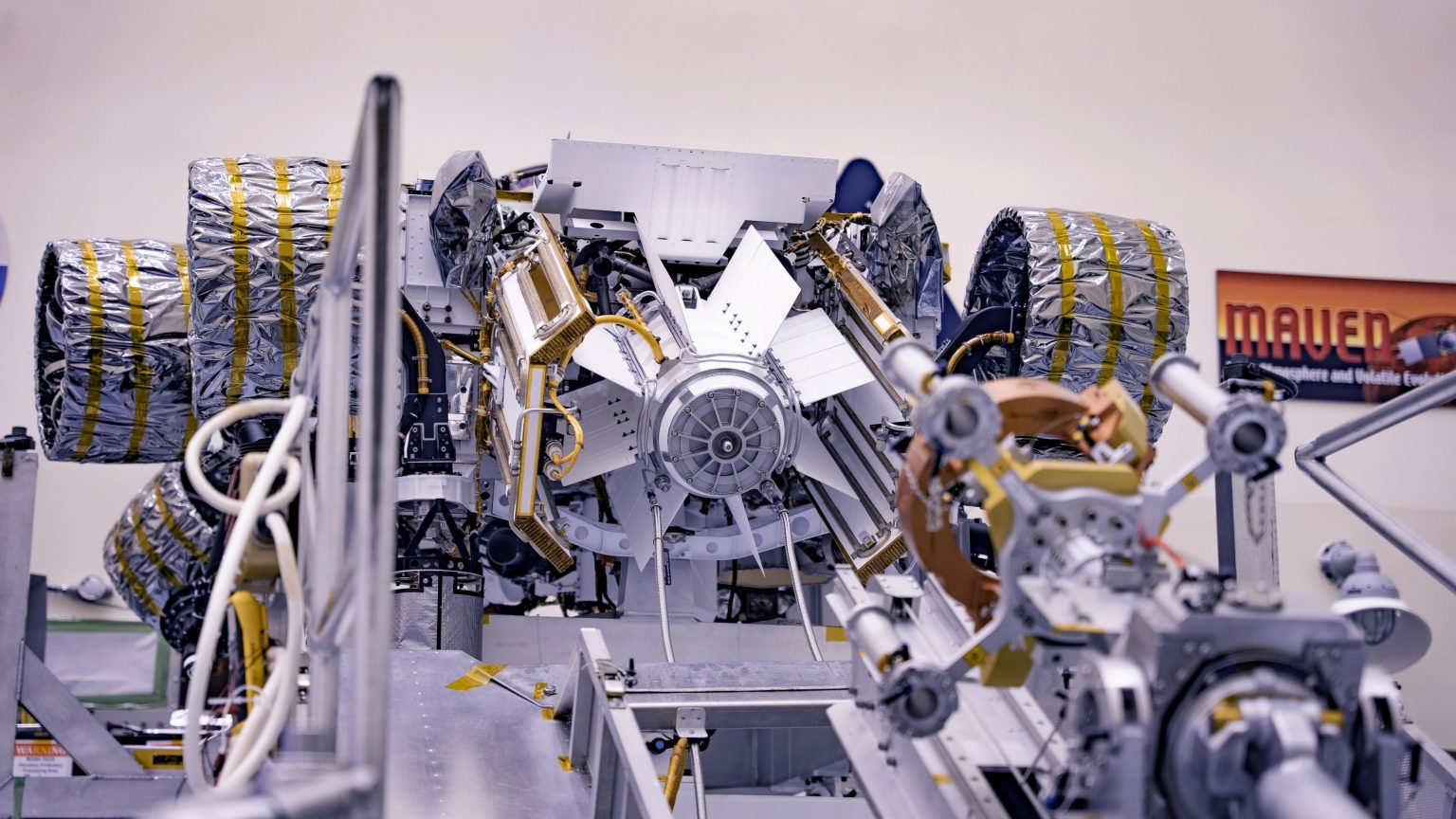
Conventional lithium-ion batteries from our phones are completely powerless in such conditions. Today’s missions, such as the Perseverance rover, use specially designed radioisotope thermoelectric generators, but long-term bases require a new generation of batteries.
Extreme testing laboratory
Researchers are already modeling battery behavior outside of Earth’s conditions. The results are alarming: electrodes can crack in the cold, cells can instantly overheat in the sun, and dust storms can significantly accelerate wear and tear. Each simulation is confirmed by experiments. The conclusion is clear: space instantly reveals all weaknesses. A design that is ideal for Earth may fail in minutes on the Moon.
Towards sustainability
To survive in space, priorities include not only capacity, but also safety, thermal stability, and durability. Scientists are working on several promising areas:
- Magnesium-air systems. They promise record energy density relative to weight, which is critical for transporting cargo from Earth.
- Lithium titanate batteries. They are inferior in capacity, but have unmatched thermal stability, long service life, and increased safety — ideal for life support systems at bases.
- Sodium-ion and potassium-ion batteries. When settlements grow and require a mini-grid, these cheaper and easier-to-scale systems will become the basis for stable energy supply.
Two in one: battery manufacturer
Multifunctional systems are of particular interest. Imagine a device that not only stores energy but also produces useful chemicals, such as hydrogen peroxide for sterilization or water purification. In an environment where every kilogram of mass is worth its weight in gold, such combined technologies are indispensable.
The quest for the Moon and beyond is becoming a catalyst for energy breakthroughs. And if we succeed in creating batteries capable of conquering the cosmic desert, then the future with permanent settlements on neighboring celestial bodies will become our new engineering achievement, and not just a plot for movies.
Earlier, we explained in detail where to get electricity in space.
According to Phys.org

