

Soon, people may not only fly to Mars, but also stay there to live. And if that happens, they will have to find a way to obtain water there. Recently, scientists have compiled all the recipes for how this can be done.
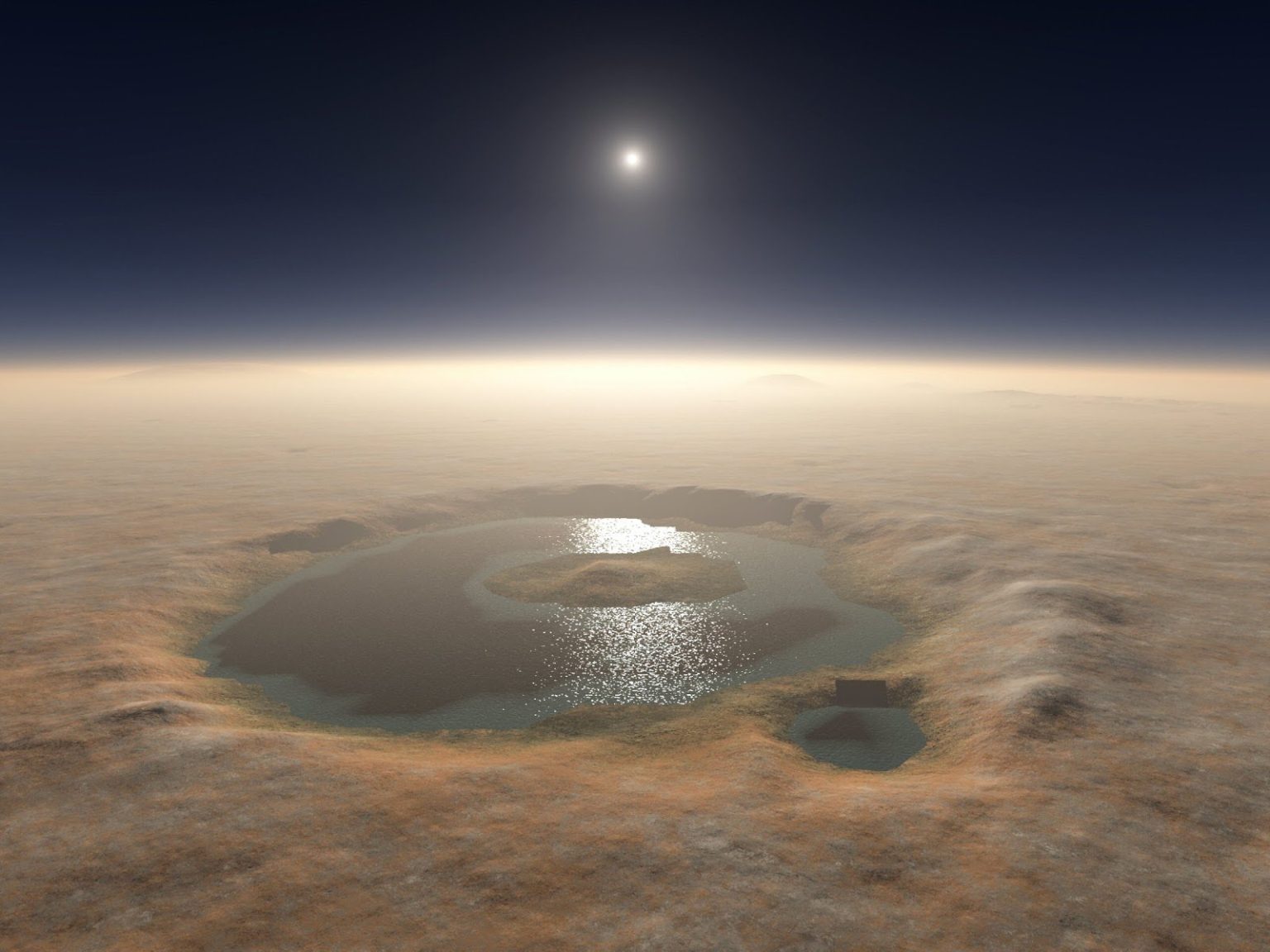
Water extraction on Mars
A new study examines how future human missions to Mars could obtain one of the planet’s most important resources: water. The article, “Martian aqua: occurrence of water and appraisal of acquisition technologies,” published in the journal Advances in Space Research, presents a comparative analysis of potential water extraction technologies for use on the Red Planet.
It also assesses the feasibility of extracting water from various Martian sources, including underground ice, wet soil, and atmospheric vapor, based on the results of previous studies that identified these sources.
Human habitation
Despite the documented widespread presence of water in various forms on Mars, most of it remains inaccessible to early explorers. This new analysis brings these discoveries together and focuses on assessing how effectively water can be collected to support human habitation.
The author, Dr. Vassilis Inglezakis from the Department of Chemical and Process Engineering at the University of Strathclyde, said: “Reliable access to water would be essential for human survival on Mars, not only for drinking but also for producing oxygen and fuel, which would reduce dependence on Earth-based supplies.”
This study is one of the first to compare different technologies that can be used to collect water on Mars. It also offers new ideas for collecting atmospheric water, which could be a valuable alternative where other sources are unavailable.
The most promising sources of water
The article discusses each method in terms of energy costs, scalability, and suitability for different conditions on Mars. The analysis shows that subsurface ice is the most promising long-term source of water, while soil moisture and atmospheric vapor can provide additional reserves, especially in emergency situations or remote locations.
While the search for water continues and much of Mars remains unexplored, a clear understanding of available technologies and their realistic application will be key to supporting long-term missions and future colonization. The study provides insight for future space missions, supporting efforts to make them more self-sufficient and sustainable.
According to phys.org

