

From time to time, ice ages occur on Earth, during which the appearance of our planet changes significantly. During these periods, large areas of land are covered with a layer of ice that does not melt even in summer. Scientists do not know all the reasons behind this phenomenon, but they have long been aware of its mechanisms and have several good theories that could explain everything.
Ice on Earth
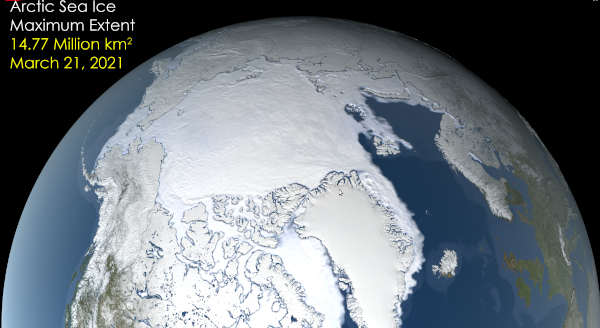
One of the main features of Earth as a planet in the Solar System is that it changes its appearance significantly as it revolves around our star. In regions where winter prevails at a given moment, water turns into snow and ice, covering vast areas of the surface. This is especially noticeable in the temperate zone of the Northern Hemisphere, as this is where the largest land masses are concentrated.
Earth is not unique in this regard, as Mars experiences the same changes, albeit on a smaller scale. There are areas of land on Earth that are permanently covered with ice regardless of the season, but this mainly applies to Antarctica, Greenland, and some high-altitude regions. However, there were times in the past when snow and ice covered a much larger area throughout the year.
We know them as the Ice Age. This term usually refers to the part of the Pleistocene epoch that began 2.53 million years ago and continues to this day. However, it is neither the only such event in the history of the Earth, nor the longest or the most extensive, but it is the best known to the general public and the best studied by scientists.
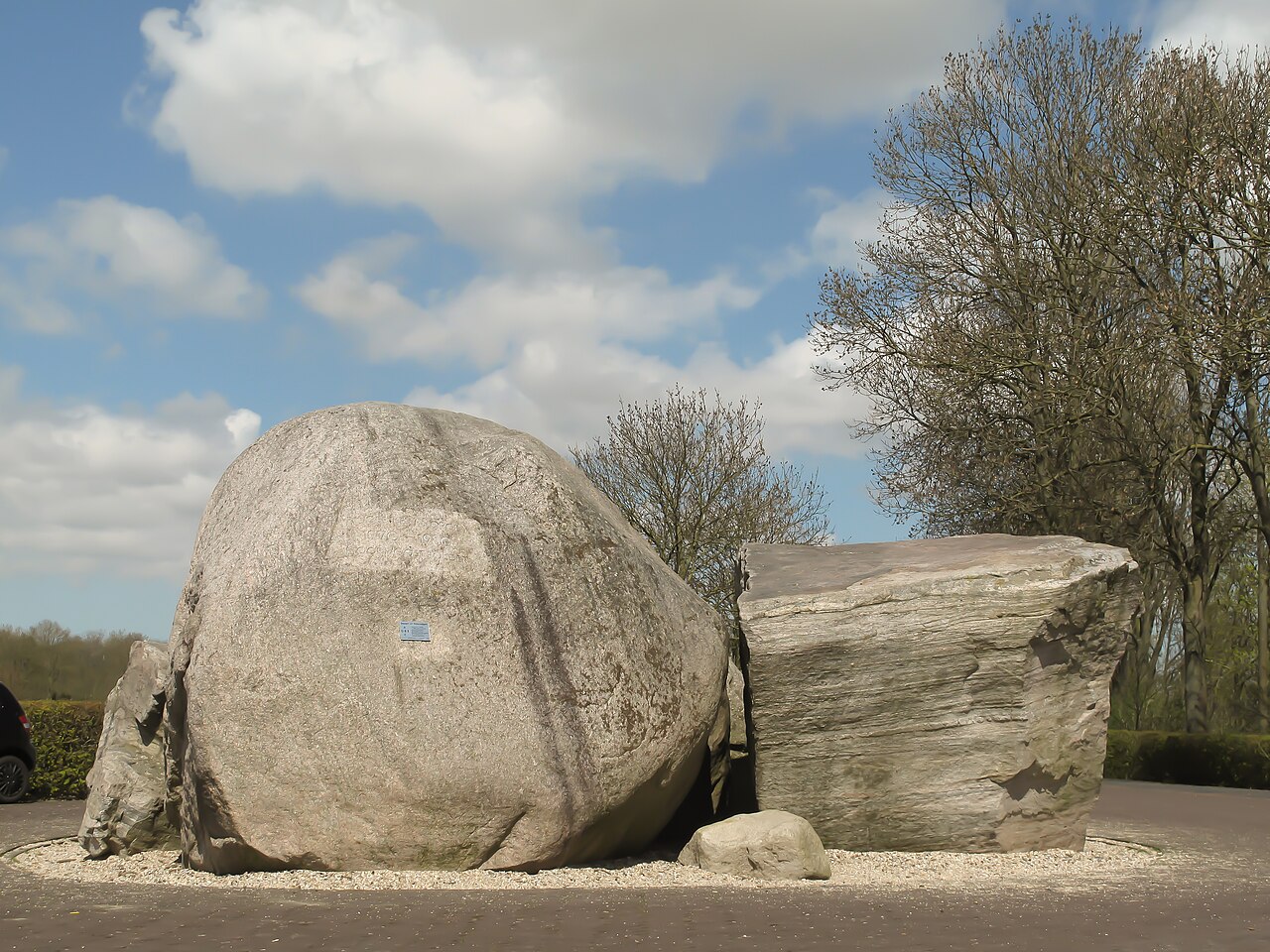
It is interesting to note that the idea of a period in our planet’s past when even modern Central Europe had a climate similar to that of northern Siberia today is relatively new. Even in the days of Galileo and Copernicus, no one suspected such a thing. It all began in the 17th century, when researchers turned their attention to so-called erratic boulders – large boulders found far from their parent rock, sometimes in the middle of a forest.
People already knew back then that such boulders often remain on the slopes of the Alps in spring after the ice has receded far into the mountains. But similar stones were found even deep in the valleys, where the ice did not reach in winter.
Subsequently, such rounded boulders began to be found not only in the Alps but also in Scandinavia, and the idea arose that once upon a time the whole continent was covered with ice. Later, the same conclusion was made about most of Europe in general. In the second half of the 19th century, the idea of the Ice Age as part of Earth’s past gained widespread recognition.
What was the last ice age like?
It should be noted that the idea of the last ice age as a period when the Earth froze 2.5 million years ago and then melted almost instantly 10,000 years ago is, in principle, incorrect.
Yes, the climate did become much colder. Glaciers covered Belarus, Scandinavia, and Scotland, but further south, in the place of modern-day London and Paris, there was tundra. This meant that snow lay on the ground for most of the year, but it melted for a few summer months, and then the land was covered with cold-resistant vegetation. Where the climate was slightly wetter and warmer, there were taiga – cold coniferous forests. Roughly the same picture was observed in North America.
Further south, where the warm Mediterranean now stretches, there was a temperate climate, and beyond that were warm and even hot countries. Yes, the average temperature on the planet was significantly lower than it is now, but in tropical and equatorial zones, this effect was not very pronounced. In many regions, precipitation was significantly higher than it is today, although its distribution remained roughly the same as it is now.
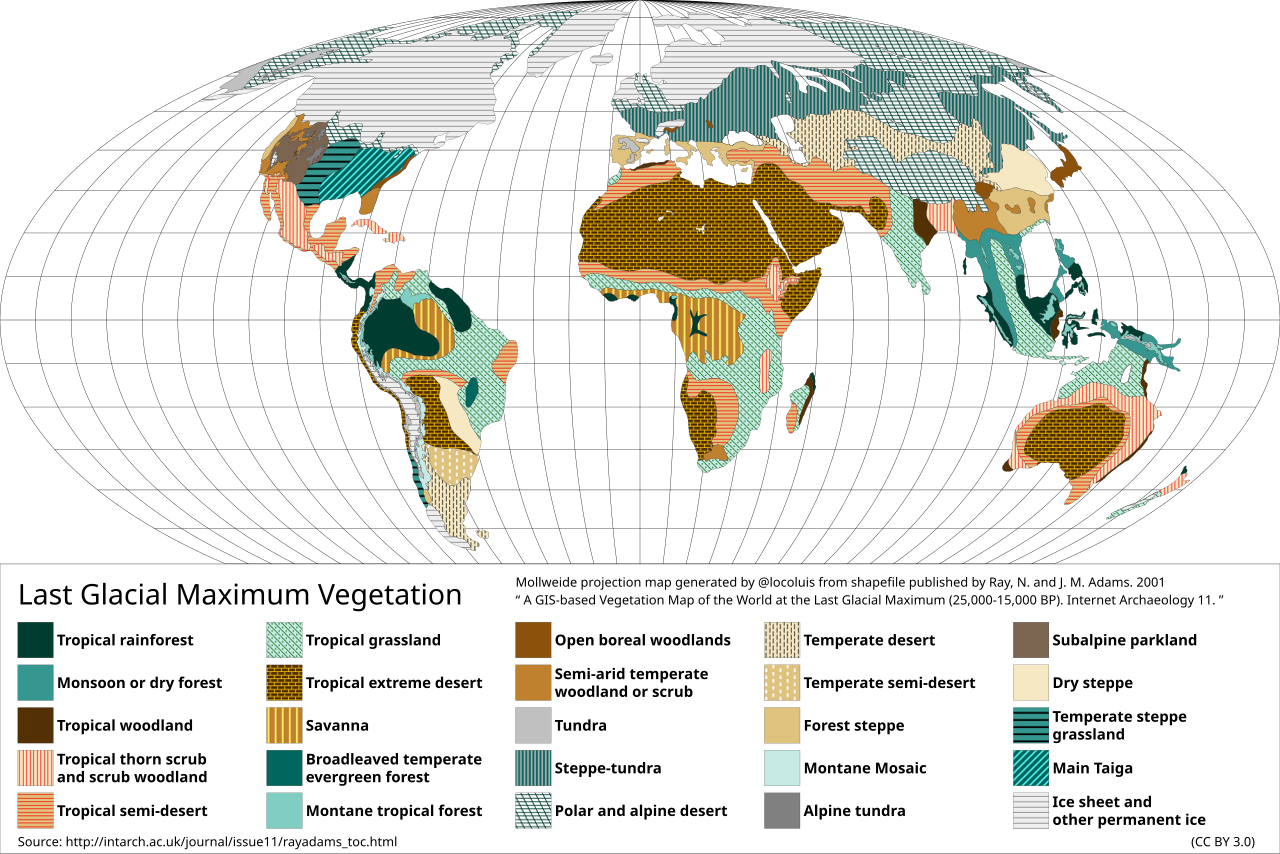
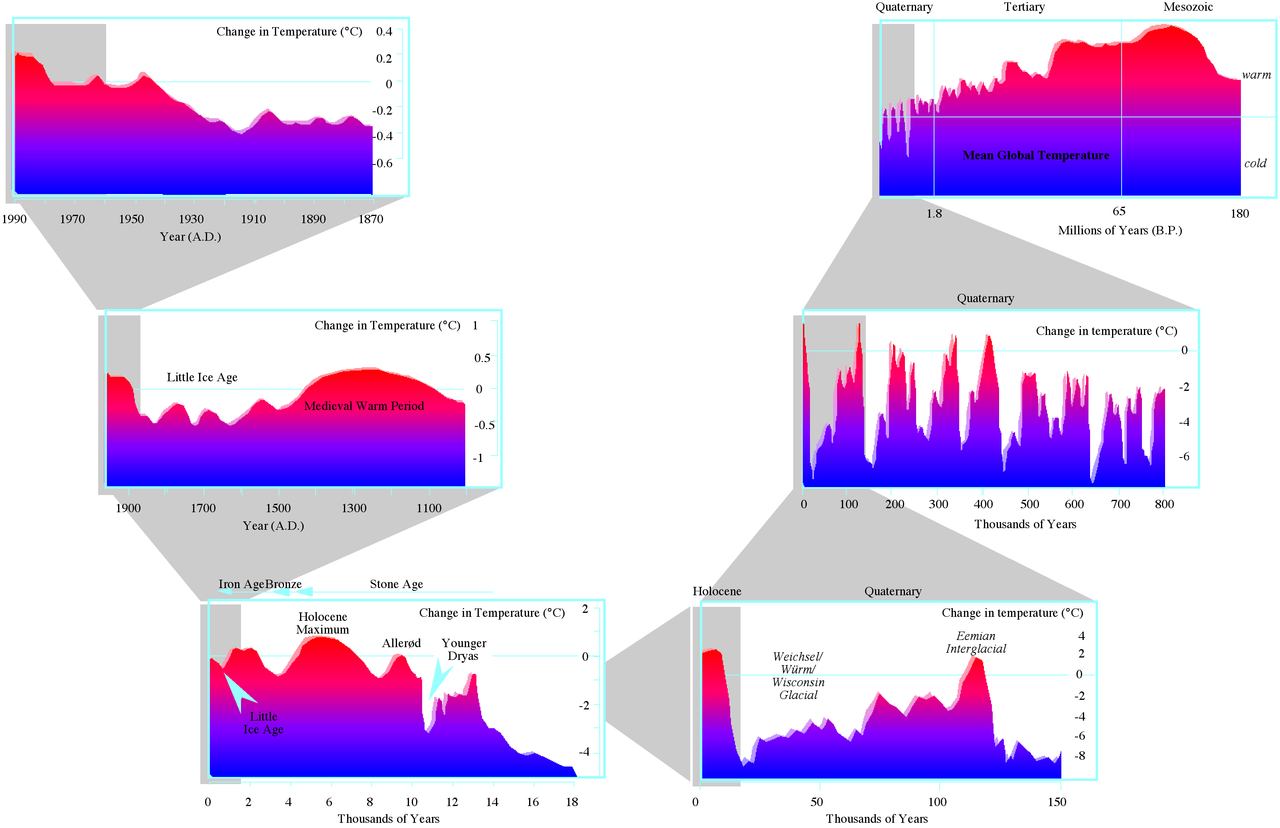
At the same time, the entire picture described above refers to the peaks of glaciation, which during the Quaternary period were not constant but were interrupted by interglacial periods. These periods lasted up to several tens of thousands of years, during which the climate was remarkably similar to what it is now. The ice fields retreated to the poles, and the former tundra turned into mixed forests and steppes.
In general, it is worth noting that the Quaternary glaciation has not yet come to an end. The climate that currently prevails on Earth is just another interglacial period. It is quite possible that in a few tens of thousands of years, the glaciers will begin to advance again.
Feedback system
But why is this happening, and why are scientists sure that this is not the end of the ice age, but just a break in it? The answer to this question is pretty complicated, not least because the Quaternary glaciation is not the first in Earth’s history; we know way less about the past ones, and there is no guarantee that they had the same root causes.
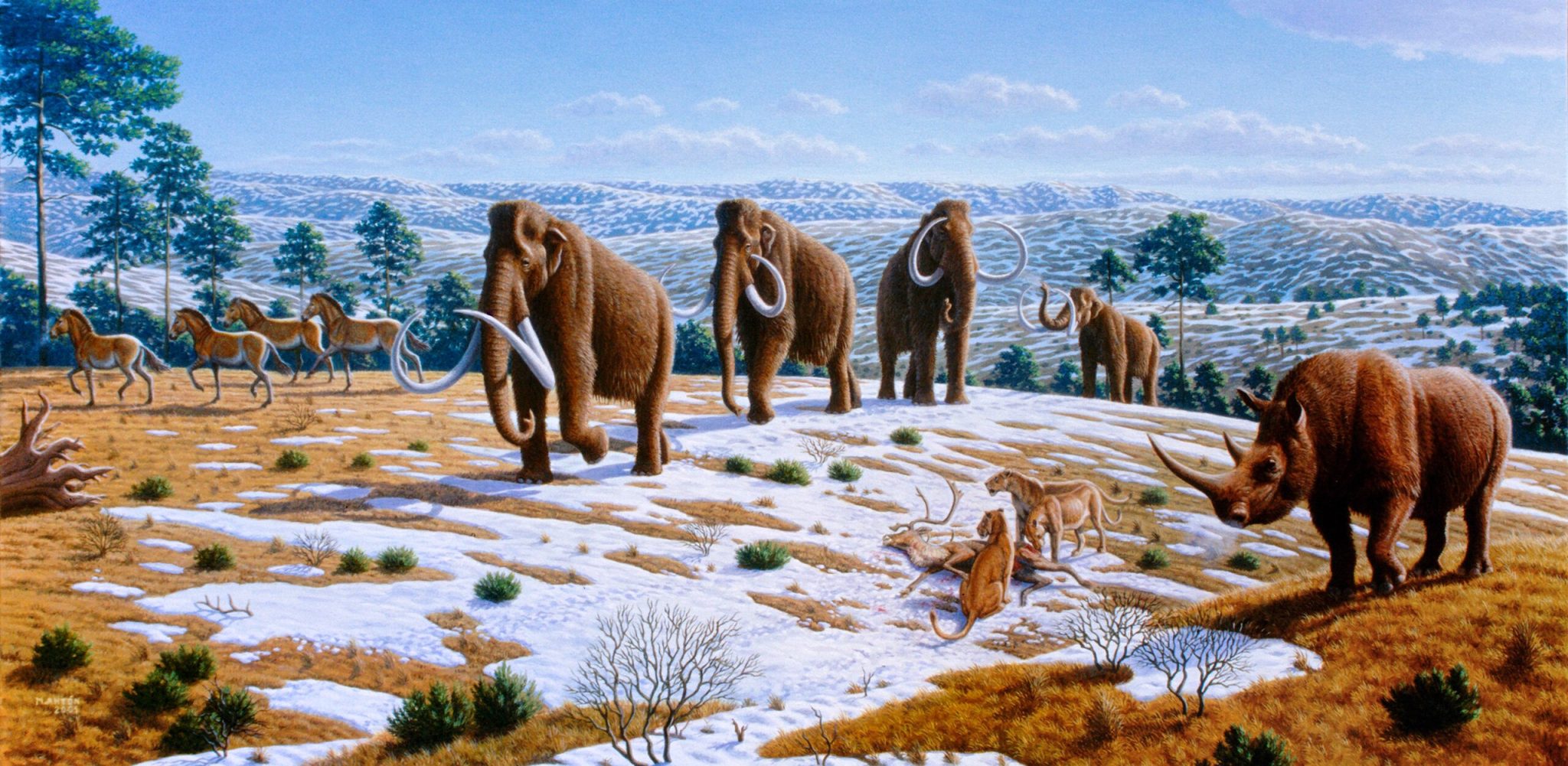
However, scientists have a fairly good understanding of the mechanisms that control the course of such an event once it has begun. Direct and reverse feedback mechanisms begin to operate.
Water ice is a material with high heat capacity for heating and melting. No wonder it is used to cool drinks. For a cubic kilometer of ice to melt, it must absorb a huge amount of energy from the surrounding land, water, and air.
In addition, ice has a high albedo. To see this for yourself, just step outside on a sunny winter day. Therefore, even a fraction of a percent increase in the area of glaciers on our planet is enough to significantly increase the amount of solar energy reflected into space. At the same time, the part that remains in the atmosphere and hydrosphere is absorbed by the same ice.
This creates conditions for the formation of even more ice. As a result, the area of glaciers grows from year to year: slowly at first, and then faster and faster as the process of their expansion accelerates.
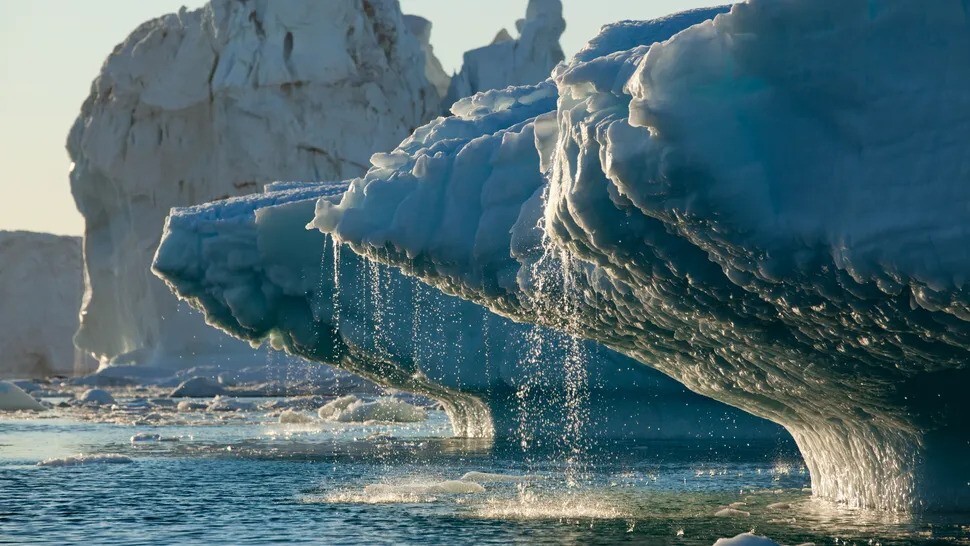
Why, then, do glaciers not cover the entire Earth, and why does the cold era eventually come to an end? Because, in addition to direct mechanisms, there is also a reverse mechanism at work. Greenhouse gases are present in the Earth’s atmosphere. The strongest of these are carbon dioxide (carbonic acid gas) and water vapor. The former is constantly replenished by volcanoes and forest fires, the latter by evaporation from the surface of the oceans.
Carbon dioxide is absorbed by plants and certain types of rock, while water vapor is converted into precipitation. In the early stages of glaciation, the amount of the former remains unchanged, while the amount of the latter actually decreases due to the overall drop in global temperatures.
But as glaciers spread, temperature fluctuations in the atmosphere decrease, winds weaken, and precipitation decreases. The cold and dry climate prevents plants from growing, and they begin to absorb less carbon dioxide. And volcanoes have no intention of ceasing their activity.
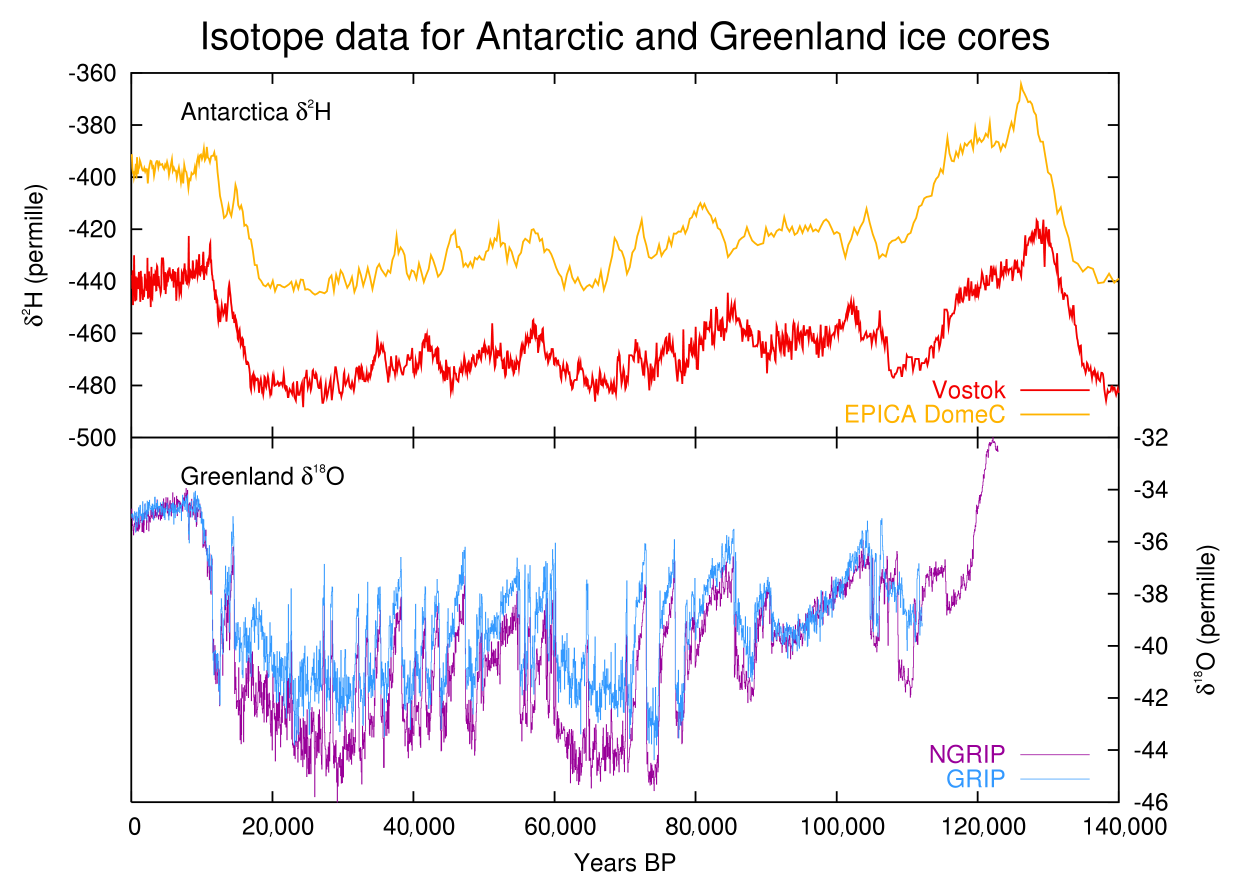
At some point, the content of carbon dioxide, followed by water vapor, in the atmosphere begins to increase, and now they demonstrate a positive correlation. The more there is, the faster it accumulates. The albedo and heat capacity of glaciers become weaker than those of relatively warm and humid air, and they begin to melt faster than they form. Therefore, their area shrinks quite quickly, the planet’s albedo decreases, and an interglacial period begins.
These assumptions are consistent with geological data. Temperature and chemical composition of the air leave many traces in rocks and fossilized trees. It is easy to construct graphs of these traces and see how this works.
Milankovitch cycles
But what is the root cause of these changes, the impetus that causes glaciers to cross the threshold beyond which the above-described processes begin? There is no exact answer to this question, but the most plausible explanation is the observation made by Serbian astronomer Milutin Milankovitch in the 1940s.
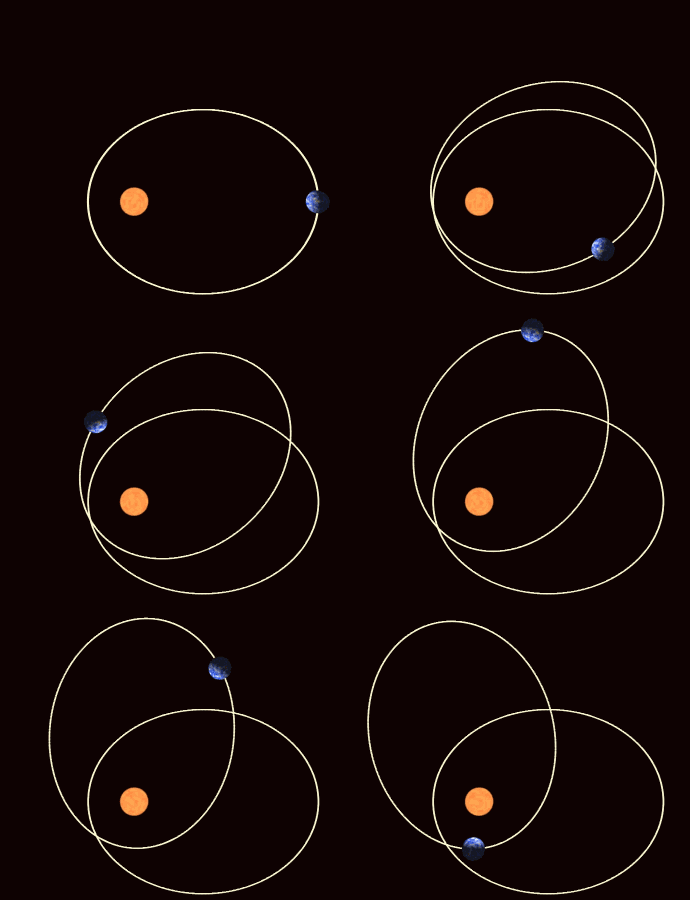
The shape of Earth’s orbit can change over time from almost perfectly circular to slightly elliptical. This is due to the influence of other planets, which is described by complex dependencies. At the same time, the axis of rotation of our planet undergoes precession, i.e., a very slow change in its orientation and orbit, i.e., the direction in which it is tilted relative to the Sun.
As a result, over tens of thousands of years, the relative positions of the Earth’s aphelion – the farthest point in its orbit – and the moment of maximum inclination of one of the poles toward the sun change. We call the latter phenomenon the solstice, and depending on which hemisphere we are in, it can be winter or summer.
But it is not only this time that changes, but also the distance between the Earth and the Sun at the moment of aphelion. Milankovitch drew attention to how small the angle at which the sun’s rays fall on the polar regions of our planet becomes. Could it be that at some point it becomes so small that most of them are simply reflected by the atmosphere, and the amount of heat received by polar glaciers becomes minimal, creating conditions for a sharp increase in their amount?
Milankovitch compared graphs of changes in the angle of incidence of rays and temperatures on Earth over the last two million years and saw that they were extremely similar. We still do not know whether the cycles named after the Serbian scientist are only the “trigger” for glaciations or whether they control them all the time, but no one doubts that they played an important role in this process. And it is precisely the repeatability of the Milankovitch cycles that gives us confidence that the last glaciation was not actually the last.
Past ice ages
The combination of Milankovitch cycles and the mechanisms of direct and reverse feedback between ice and the atmosphere provides a good explanation for the last ice age. However, if we look at the entire history of our planet, many more questions arise.
This is because the fluctuations that can be more or less confidently explained by them arose about 35 million years ago. And within these last millions of years, the change of eras did not always occur. Before that, for hundreds of millions of years, the Earth had a warm and stable climate.
And if all this does not seem strange enough to you, there were other ice ages before that, which were followed by equally long warm periods. And the most severe glaciation in Earth’s history, known as Snowball Earth, occurred during the Proterozoic eon. More precisely, there were two of them: the Stertian, 717–660 million years ago, and the Marionian, 650–635 million years ago.
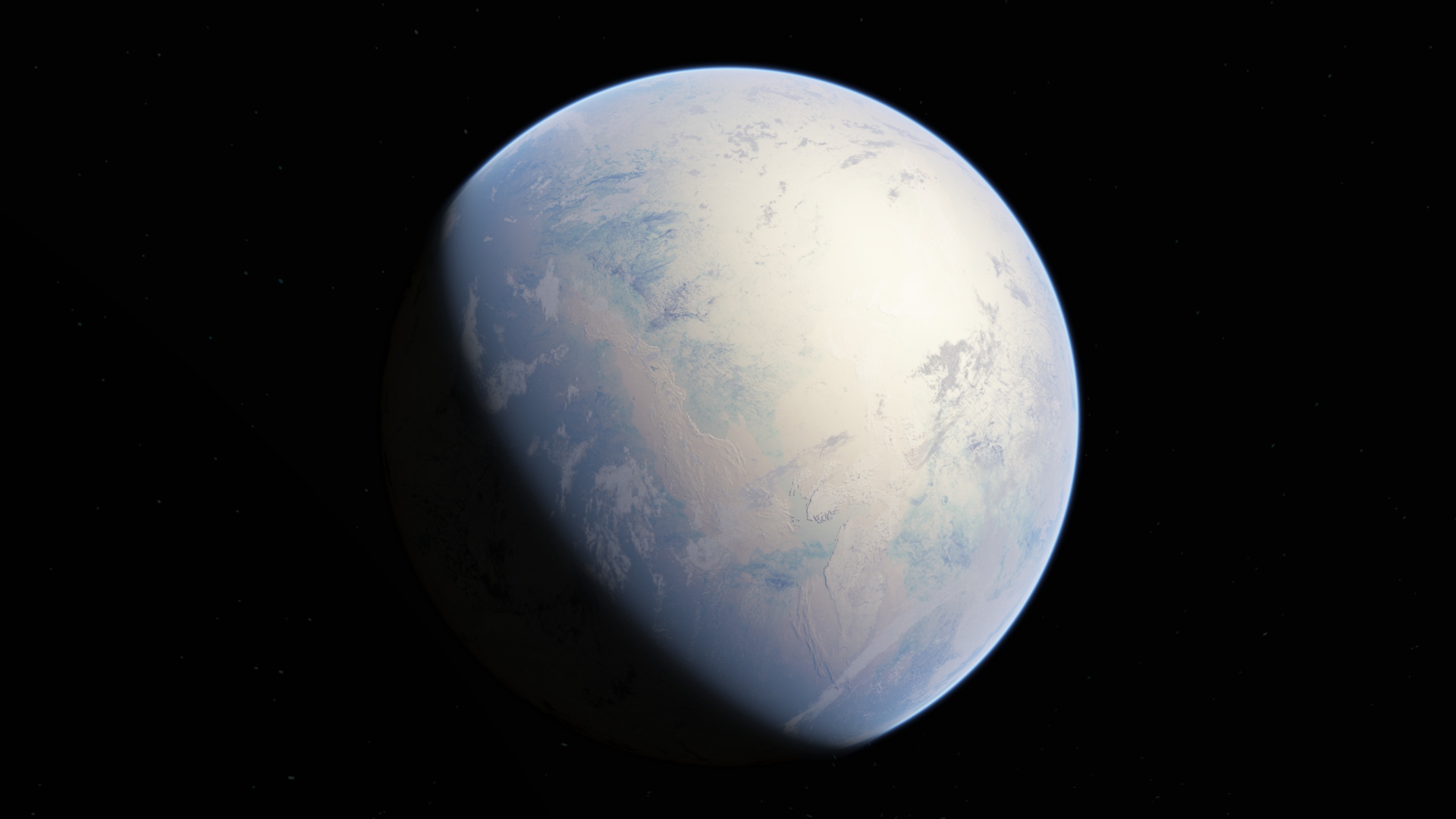
Unfortunately, due to the remoteness of these events, we know nothing about any short-lived interglacial periods that may have existed within them. However, the fact that the glaciers reached the equator at that time suggests that the simple and understandable mechanisms described above did not work or did not work properly.
This is very surprising because the heat capacity and albedo of ice could not have changed during this time. Moreover, there is little convincing evidence that our planet’s orbit has also changed.
Movement of continents
There are many ideas about possible additional mechanisms of glaciation. The most convincing among them is the hypothesis that the degree of influence of Milankovitch cycles and climatic feedback mechanisms is largely determined by the location of the continents.
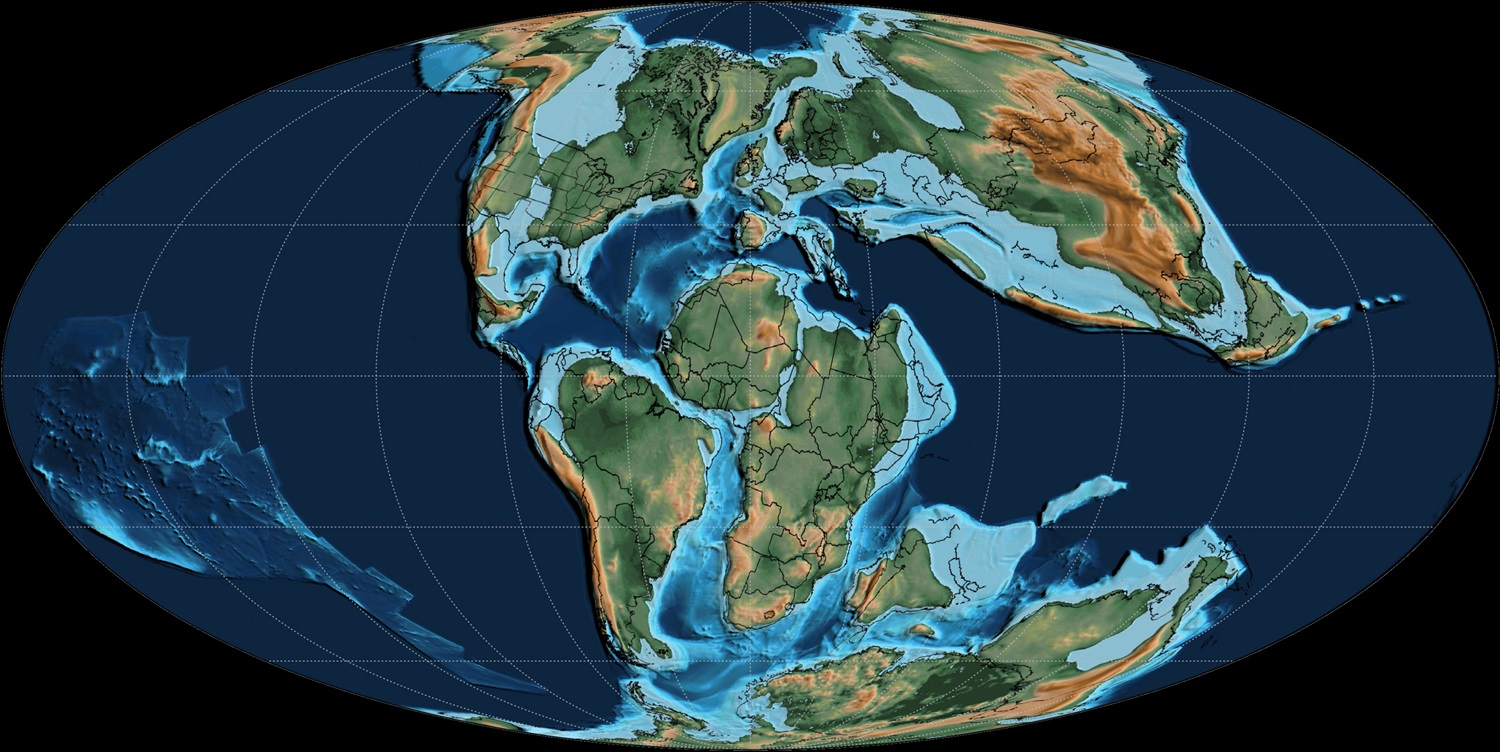
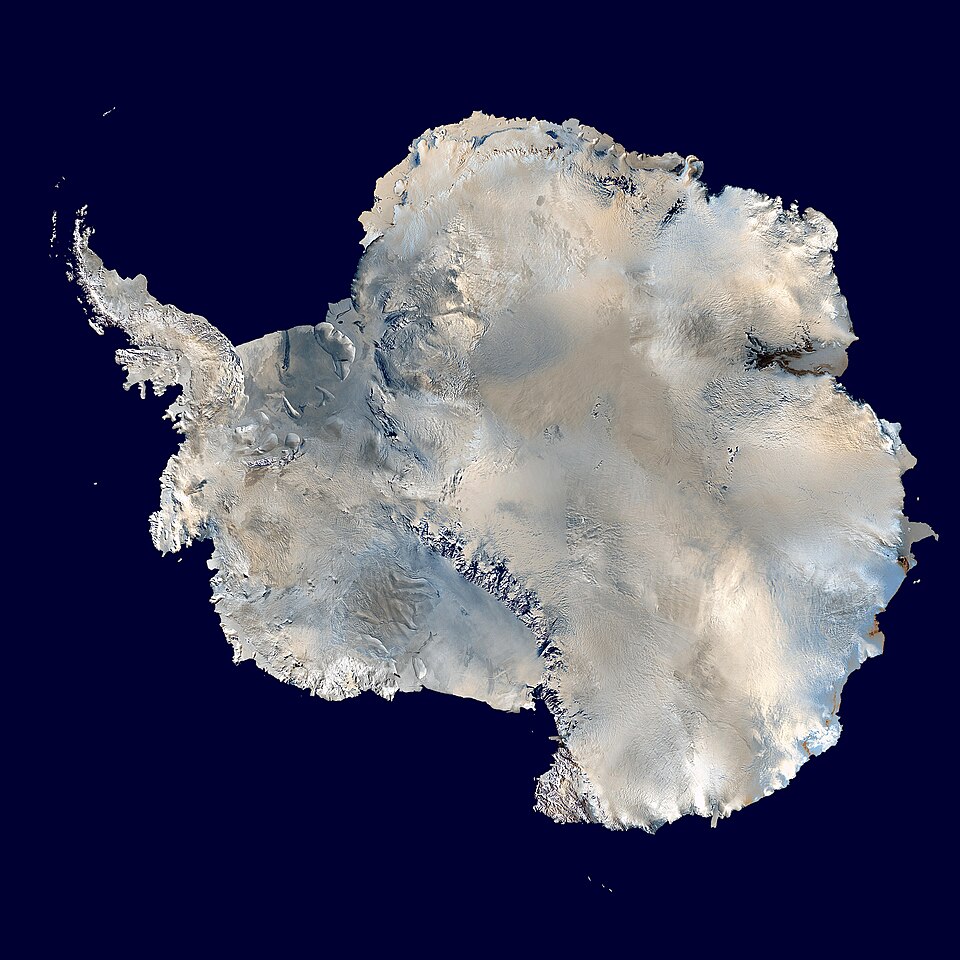
The fact is that continents act as heat and cold concentrators. Ice melts faster at sea than on land. Just look at Greenland and Antarctica, where most of the ice is concentrated. At the same time, the hottest deserts are located in the interior of the continental masses of Eurasia and Africa.
The continents themselves move very slowly along with the continental plates, compressing and forming bridges between them. That is, if all the land were gathered into a single mass stretching from pole to pole and blocking all ocean currents, it would be the ideal moment for the onset of an ice age. On the other hand, if there are several small continents scattered across the tropical and temperate zones of both hemispheres, and both poles and the equator remain free, ocean currents balance the climate across the planet.
Of course, these are two extreme ideal scenarios, which are extremely difficult to achieve given the chaotic movement of lithospheric plates. But the closer the actual position of the continental plates is to one or the other scenario, the greater the chance that the influence of Milankovitch cycles will or will not be felt. At least, data on the last few million years of our planet’s history can be well explained by this pattern, including the last 35 million years, during which we have had a giant refrigerator at the South Pole in the form of Antarctica.
The formation of mountains
There is another factor related to the movement of tectonic plates that may influence the likelihood of the onset of an ice age. When pieces of the lithosphere collide, it can happen relatively quietly, or it can be accompanied by the formation of massive mountain ranges. The last 65 million years, which we call the Cenozoic era, have been just such an epoch.
The fact is that when lithospheric plates collide, rocks that were previously hidden underground and had no contact with the atmosphere come to the surface. And the most chemically active components of the latter are carbon dioxide and water vapor.
That is, when active hill formation occurs, it should lead to the absorption of greenhouse gases. At least that is how it should happen in theory, but it is still unclear whether the volume of rock released from under the Earth is sufficient to significantly affect the composition of the atmosphere.
Astronomical reasons
Finally, when discussing the root causes that can trigger glaciation processes, it is impossible not to mention purely astronomical reasons. The first thing that comes to mind is the change in the Earth’s orbit over long periods of time. This idea is extremely logical and can explain everything without introducing additional entities.
The only problem is that all generally accepted models show that planetary orbits, except for a short period immediately after their formation, remained stable. Some studies suggest that the Earth’s orbit could indeed have changed more than is commonly believed under the influence of Jupiter and Saturn, but these assumptions remain unconfirmed.
However, one event that could have truly influenced glaciation is that the Sun may have been several tens of percent less bright than it is now during the first billion years of its existence. This is quite normal for stars similar to it.
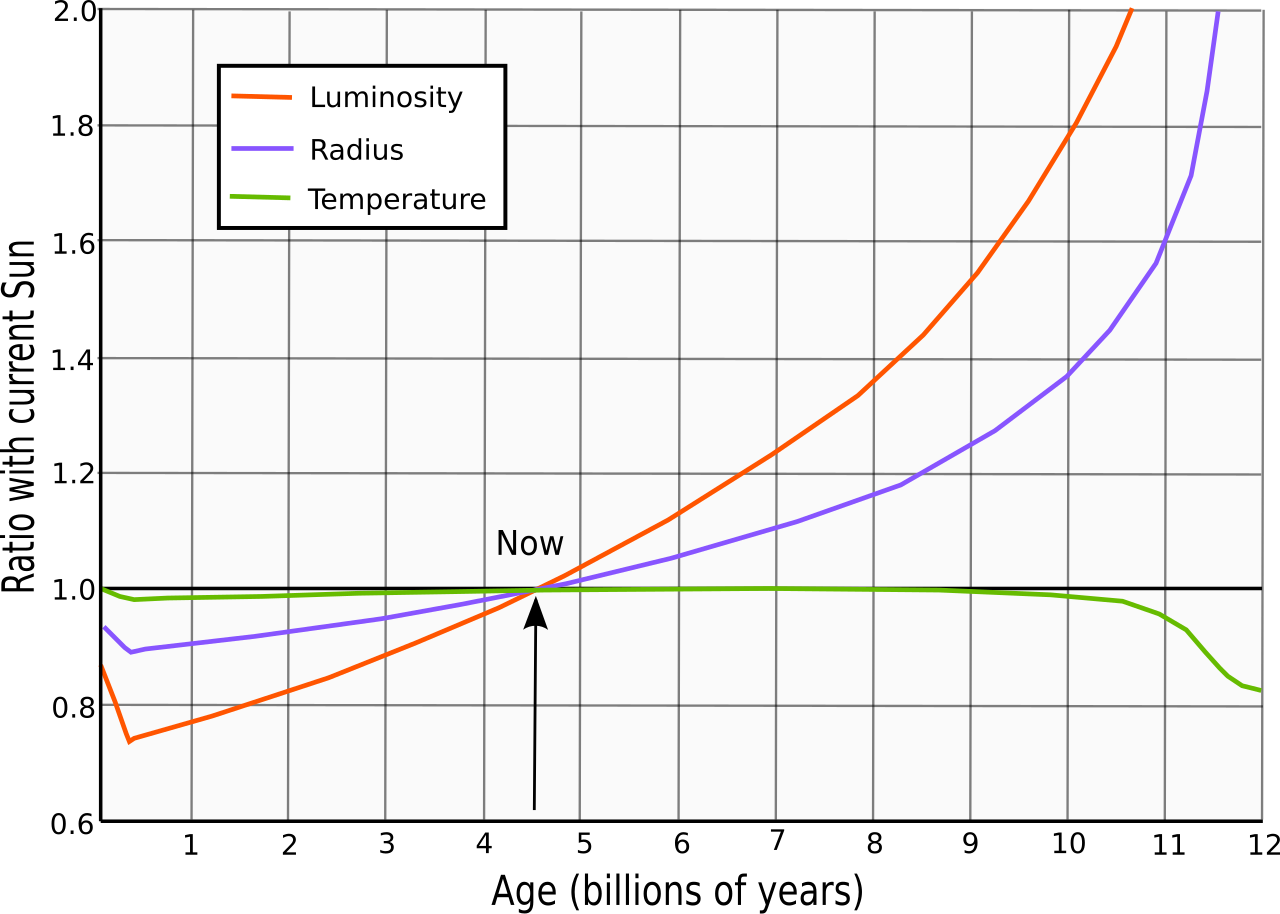
And a weak Sun is perfect for explaining why glaciation in the Proterozoic was so extensive. But it cannot be the only and exhaustive explanation for all such processes.
There are other, much more exotic assumptions about the causes of glaciation related to space. For example, the Sun encountered a shock wave from a supernova on its way, and that gas and dust somehow affected the amount of heat our planet received. However, such assumptions remain marginal.
Global warming
The onset of an ice age is caused by several very diverse factors. And here a logical question arises: how does human economic activity affect these processes? First of all, this concerns the emission of large amounts of greenhouse gases by our industry and transport.
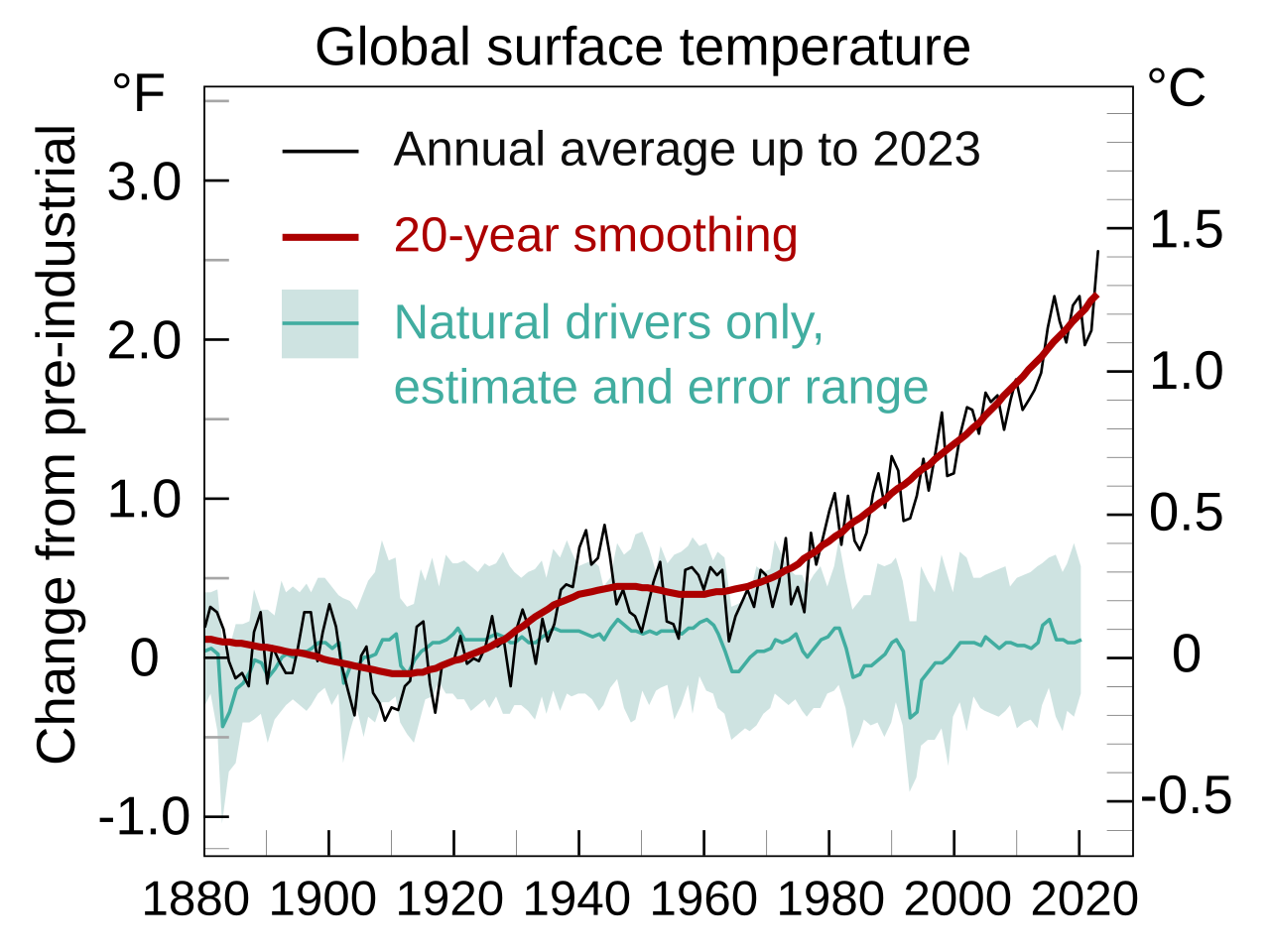
This fact is usually presented in a negative light. But is it possible that this process could actually delay the onset of a new ice age in the future? If so, then it should be viewed as positive.
In fact, there is no definite answer to this question. The same applies to the question of what role natural processes of transition from glaciation to interglaciation, which are not yet complete, play in global warming.
Scientists can only speculate that the increase in greenhouse gases in the atmosphere may reduce the impact of Milankovitch cycles on the climate, as was the case during warm periods. However, we will only find out about this in a few thousand years.

