

ESA launches INVICTUS, a European platform for testing hypersonic technologies. The European Space Agency (ESA) and British company Frazer-Nash Consultancy have announced the launch of the INVICTUS program, a fully reusable experimental aircraft capable of accelerating to a speed of Mach 5 (3,806 mph or 6,125 km/h). The project is funded through the GSTP and TDE programs and aims to develop key solutions for horizontal takeoff and sustained flight in the atmosphere at hypersonic speeds. The consortium, which also includes Spirit AeroSystems and Cranfield University, will present a preliminary design for the complete system within the next 12 months.
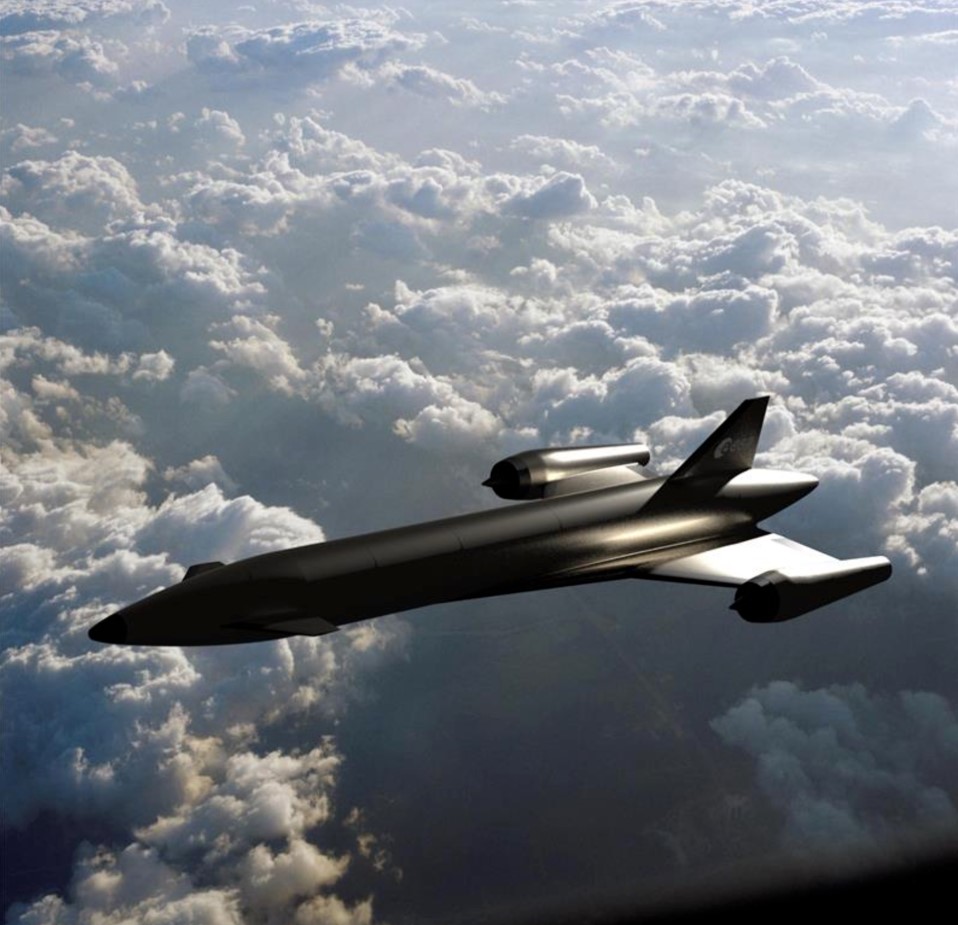
The heart of INVICTUS will be a hydrogen-fuelled precooled air-breathing propulsion system. Its heat-dissipating “precooler” is based on technologies developed in Reaction Engines’ SABRE program: the system is capable of cooling superheated air in a fraction of a second, which is critical for stable engine operation at speeds exceeding 6,000 km/h. The platform is expected to enable rapid testing of new heat-resistant materials, software, and engine configurations between individual campaigns.
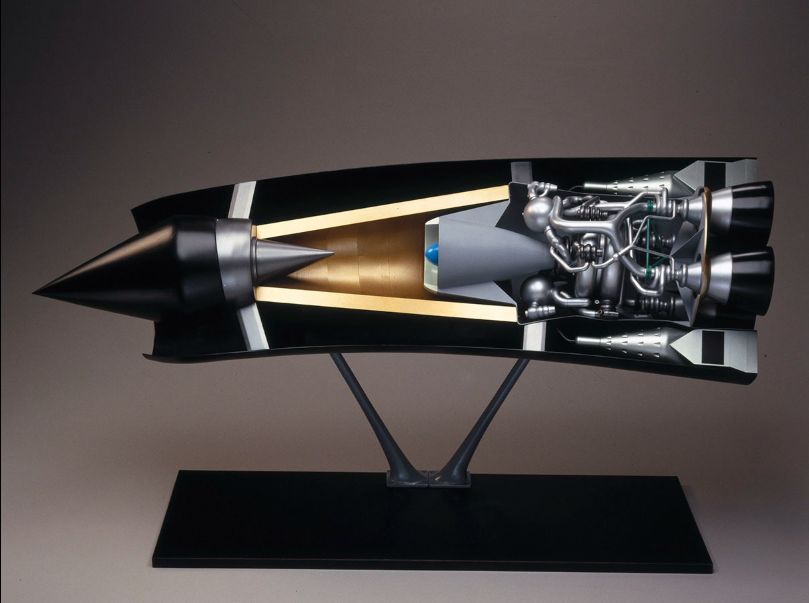
According to David Perigo, head of ESA’s chemical propulsion division, INVICTUS will “prove the suitability of the hydrogen-reactive scheme for horizontal takeoff and hypersonic flight,” as well as provide unique testing of the engine’s full gas dynamic cycle in an aircraft. The project should lay the foundation for European reusable “spaceplanes” that will take off from airfields like regular planes and enter orbit like rockets.
The development of hypersonic technologies paves the way for cheaper and faster launches of small satellites and scientific instruments. Horizontal launch using air-jet engines reduces the need for large rocket boosters, lowers launch costs, and increases flexibility in choosing launch windows. This is critically important for deploying high-orbit telescopes, rapidly delivering scientific equipment to microgravity zones, and quickly updating observation satellite constellations. Eventually, such platforms could become aerospace trucks that provide regular and more environmentally friendly communication between Earth and orbit.
Interested in learning how continuous innovation and bold engineering solutions can transform a promising project into an industry benchmark? Read our analysis, “Falcon 9 2010 vs Falcon 9 2025: Fifteen Years of Development,” and see how SpaceX’s continuous upgrades have made the rocket almost unrecognizable: from increased payload capacity to full reusability and record launch frequency. Compare this path with ESA’s current plans for INVICTUS and see what determines success in the space race. Click to find out what lessons hypersonic Europe can learn from fifteen years of Falcon 9 evolution!
According to ESA; interestingengineering;


#/media/File:SABRE_engine_designed_for_Skylon_spaceplane,_1990s._(9660572897).jpg)