

One of the most discussed ideas on how to explore space is mining minerals on the Moon. It is believed that mining helium-3 and rare earth elements there will help solve a lot of problems on Earth. But will it really be that profitable?
The beginning of the lunar fever
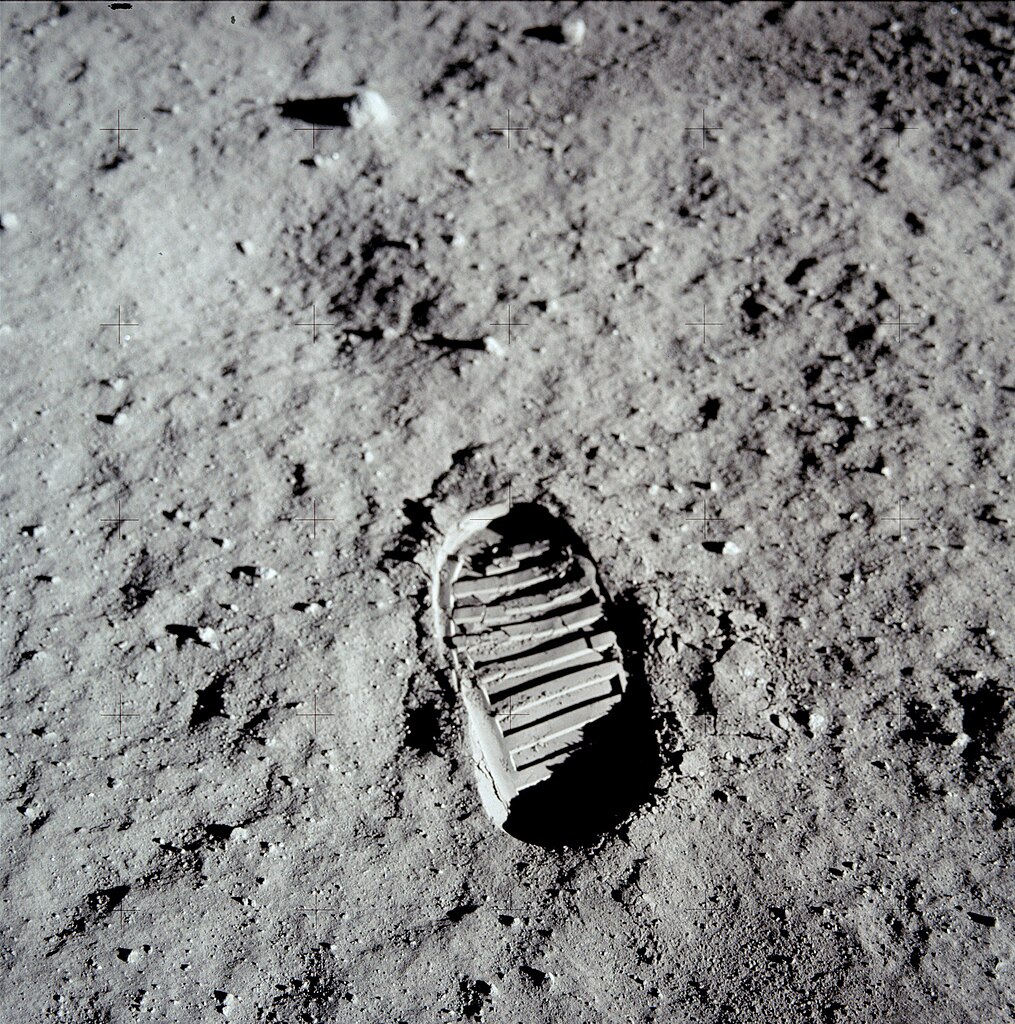
The last time humans walked on the surface of the Moon was in the fall of 1972. However, soon Earthlings will not only return there, but also begin to build a base on the surface of our natural satellite. Despite numerous delays and constant adjustments to plans, this is what the developers of the Artemis project promise.
There is a completely objective reason for this. Space flights involve huge amounts of money that must be converted into unique high-tech devices. At the same time, a single mistake can cost the loss of all investments and even human lives. And the project to build a lunar base is unparalleled in the history of space programs in terms of its complexity and cost.
It is not surprising that after the Apollo program ended, no real steps were taken to return to the Moon. However, resource extraction is now being cited as the new goal for attempting to settle there. However, there has never been any traditional coal, gas, or oil there. And in general, compared to Earth, local rocks cannot boast of the diversity of what can be extracted from them. But what is there is quite capable of interesting corporations and governments. So why haven’t they taken advantage of the opportunity to rake in money yet?
Helium-3
Energy is cited as the main reason for colonizing the Moon. Everyone knows how the global economy is affected by oil price fluctuations. And many undemocratic governments force the world to reckon with them solely because of their control over fuel resources.
People have been dreaming of replacing gas and oil with electricity for decades, but it is not easy to do. Renewable sources are too low-powered, nuclear energy generates a lot of hazardous waste, and uranium deposits around the world are quite limited.
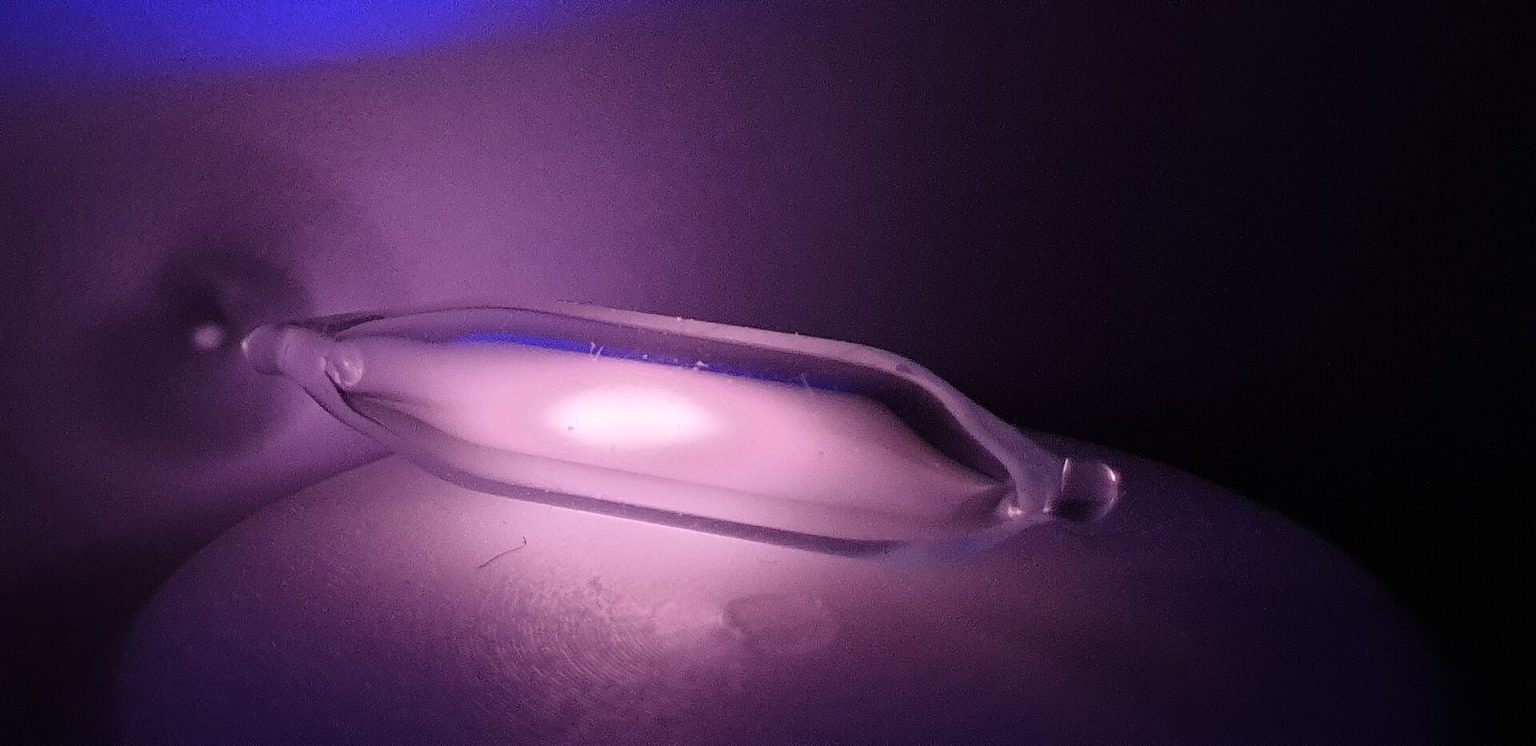
Thermonuclear energy could be the solution to these problems. After all, it is significantly more powerful than the fission of heavy elements and does not produce radioactive waste. This technology has not yet been implemented, but when thermonuclear reactors become a reality, the best fuel for them may not be deuterium and tritium, which are currently used in experiments, but helium-3. The nuclei of atoms of this isotope contain one neutron less than the gas used to inflate balloons.
The main advantage of reactions with helium-3 is the formation of a large number of protons and a smaller number of neutrons. Therefore, reactors that use reactions with it produce less harmful radiation and more energy thanks to the reuse of protons.
In addition to energy, helium-3 can also be used to cool supercomputers and in neutron detectors. Whichever way you look at it, it is a useful substance. The only problem is that it is practically non-existent on Earth. This isotope is formed in a limited number of processes and very easily “evaporates” from our planet’s gas envelope into the surrounding space.
Helium fever on the Moon
A large amount of helium-3 is formed on the Sun during thermonuclear reactions and enters the Earth’s atmosphere with solar winds. However, it does not remain in the Earth’s atmosphere. The rocky surface of the Moon, which has no gas envelope, is much more hospitable to it. According to experts, lunar regolith contains between 0.5 and 2.5 million tons of potential thermonuclear fuel.
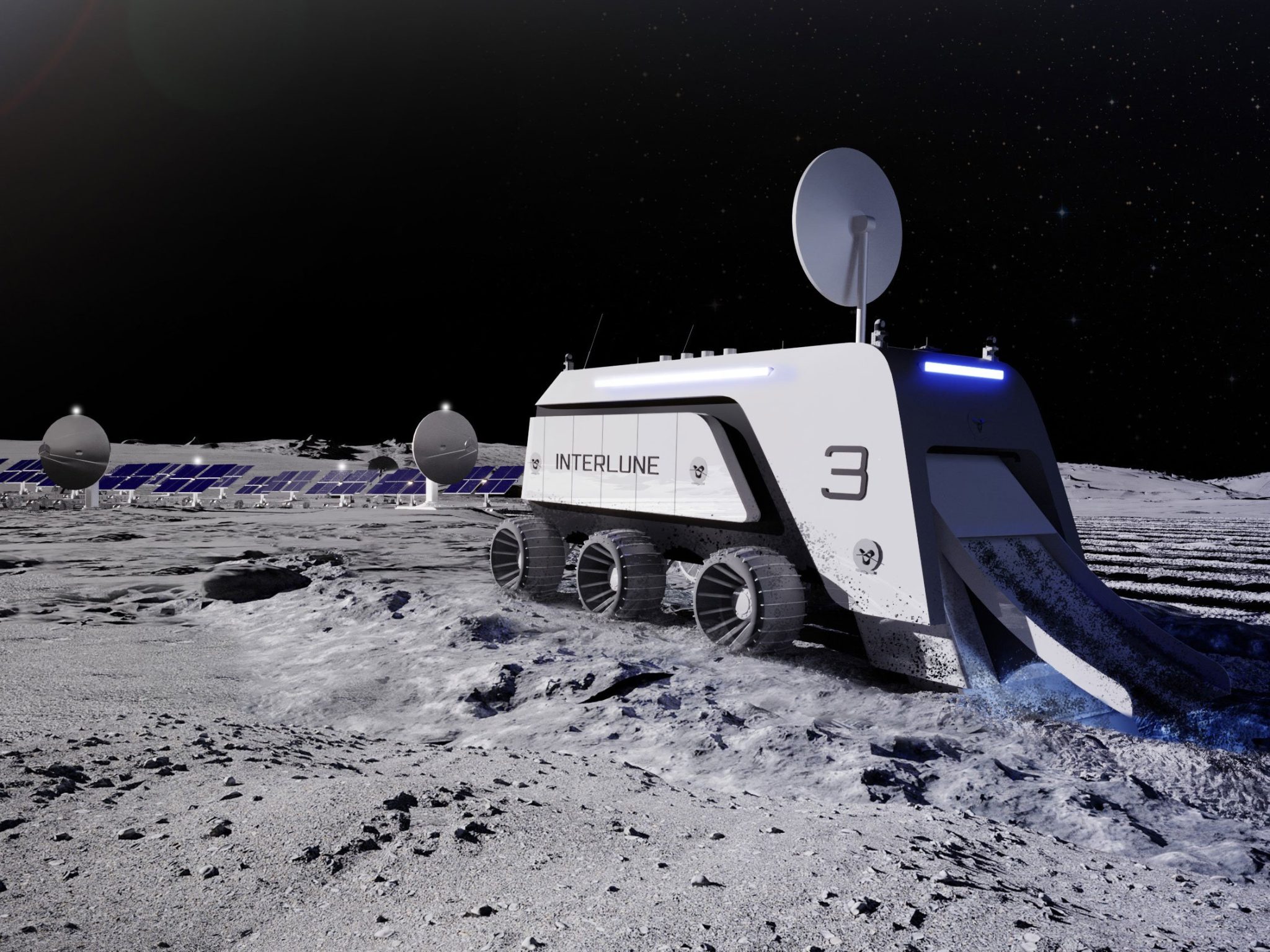
Is that a lot or a little? One ton of helium-3 can produce as much energy as 15 million tons of oil. That’s a lot. That’s why many companies, including Shackleton Energy, Seven Seven Six, and others, have already announced that they are preparing to extract this substance from regolith. They are actively supported by NASA, Blue Origin, SpaceX, and other giants. China is also planning its lunar station with a view to extracting helium-3.
Everyone is talking about “helium fever” on the Moon, but it still has not started. So far, no one has launched a demonstration device capable of extracting even a milligram of helium-3 from regolith onto the surface of our natural satellite.
When people say that there is a lot of helium-3 on the Moon, they simply do not specify that this is in comparison with Earth, where there is practically none. However, in reality, there is extremely little of it there: according to optimistic estimates, 2 grams per 100 tons.
Back in 2014, scientists calculated how cost-effective it would be to extract it. It turned out that even if we set such a large-scale task as covering 10% of all human needs with thermonuclear energy, the effectiveness of this idea is questionable. Every year, 200 tons of helium-3 would have to be extracted.
To achieve this, 630 tons of regolith must be processed every second, which will require 1,700 to 2,000 devices to extract it simultaneously. In addition, a whole fleet of vehicles will be needed to transport it to Earth. Scientists have calculated that at a projected price of €30.4/MWh, the profit will range from -€24 to €260 billion. In other words, this operation will only be profitable if it is completely successful.
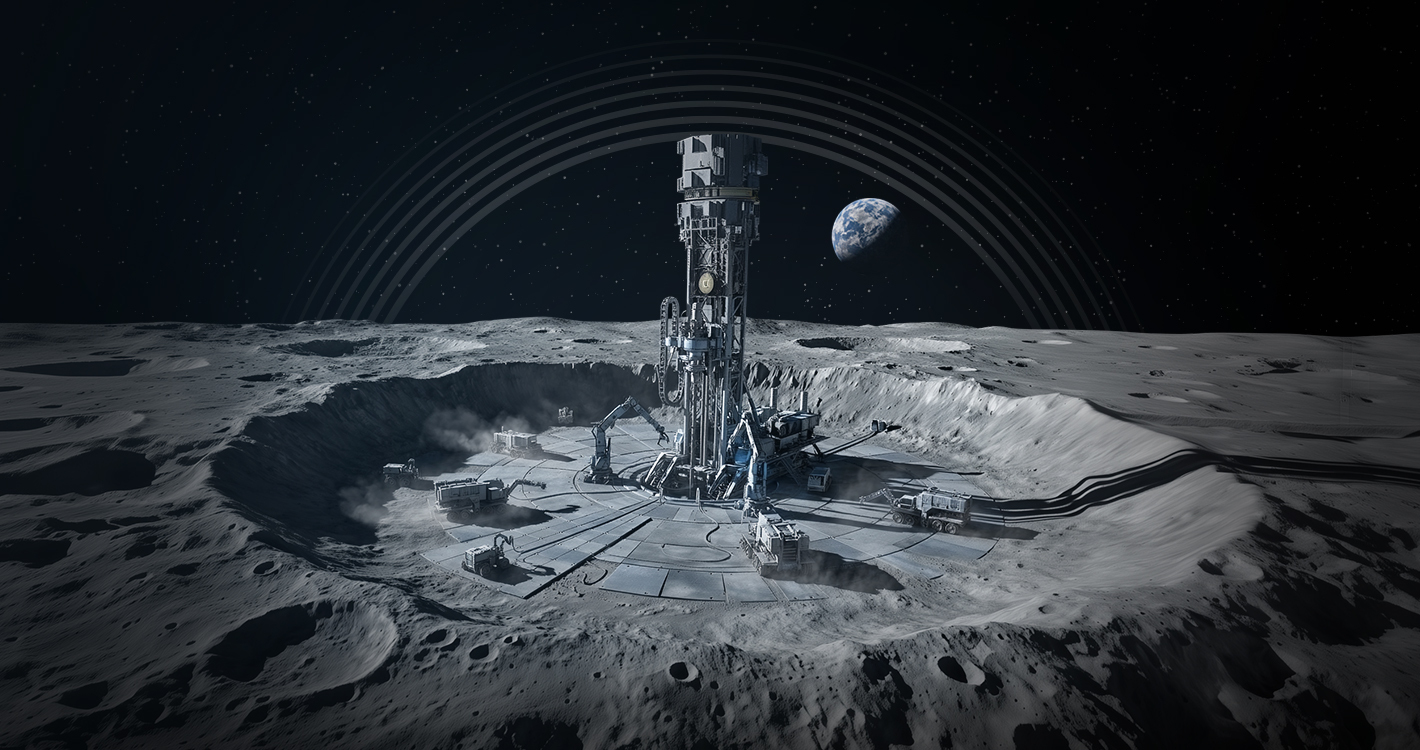
It is important to understand the incredible amount of money that will have to be spent on such an ambitious project. Even if helium is extracted in smaller quantities, the development of equipment and mission design will not become any cheaper.
The same researchers calculated scenarios in which helium-3 production covers 0.1% and 1% of all of Earth’s energy needs. In both cases, the profit would be negative. In the first case, the losses would amount to between €78.0 and €23.1 billion, and in the second, between €14.3 and €0.8 billion. In other words, for helium-3 extraction to pay off, it would have to reach an incredible scale.
Rare-earth elements
However, helium-3 is not the only valuable resource on the Moon. On Earth, we are increasingly dependent on electronics, which require elements such as yttrium, neodymium, cerium, and others. Like helium, these elements are extremely scarce in the Earth’s crust. It is estimated that at the current rate of consumption of rare earth elements, their reserves on our planet will only last for 2,500 years, which is not very long. More importantly, China currently produces 90% of rare-earth metals.
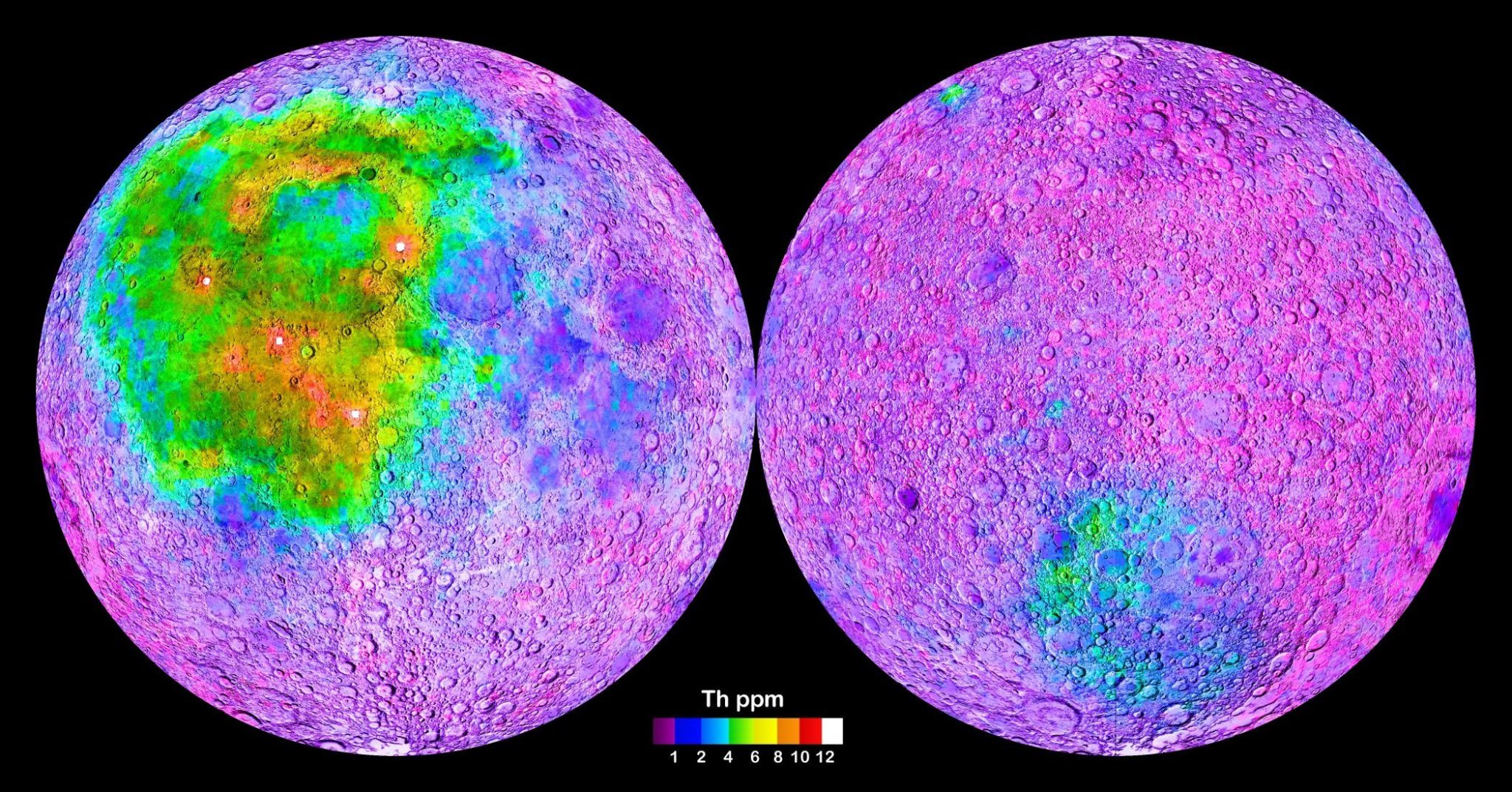
The answer was found on the Moon. Its surface is not as uniform as it seems. Part of it is covered with so-called KREEP rocks (the abbreviation stands for potassium, phosphorus, and rare earth elements). The largest area covered by them on the Moon is in Oceanus Procellarum. It is estimated that there are 2.2×10⁸ tons of these rocks here. They consist mainly of the same silicon oxides as the rest of the lunar rocks, but a few percent are made up of more interesting elements. And that’s enough to make industrialists interested in mining them.
After all, in addition to rare earth elements, potassium, and phosphorus, they also contain certain amounts of uranium and thorium. They also contain iron, aluminum, and magnesium.
Water and titanium
However, astronauts must first begin extracting a completely different substance on the Moon – water. It is necessary not only for living on the Moon, but also for many other processes, such as growing plants and extracting elements from rocks. Ultimately, water can be split into hydrogen and oxygen and used as rocket fuel.
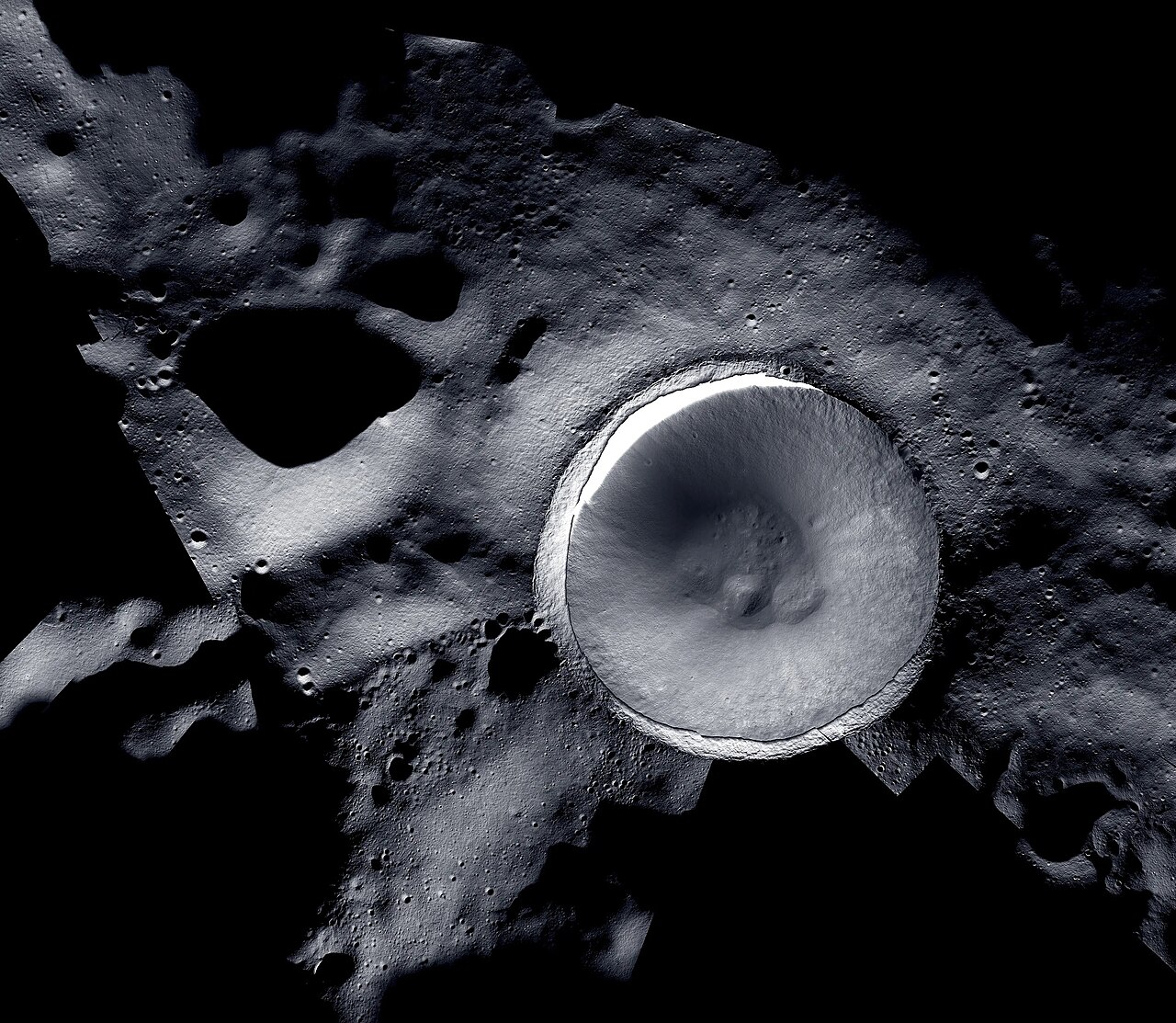
In a sense, water is the most important mineral that can be extracted on the Moon. It is believed that on our natural satellite, it can only exist in the form of ice and only at the bottom of polar craters, where the Sun’s rays never reach.
It is in these places that both American and Chinese astronauts are to land to build the first bases. Fortunately, it is expected that to obtain sufficient quantities of water, it will not be necessary to process as much rock as in the case of helium-3 or rare earth elements. So this is another reason to start mining on the Moon with it.
Another mineral that may be less valuable but definitely deserves a mention is ilmenite. Its chemical formula is FeTiO3, and it is well known on Earth. From the chemical formula, it is clear that titanium, iron, and their oxides are obtained from it. The latter are involved in a wide variety of chemical processes.
The materials themselves are turned into alloys that are used in the construction of various structures. Like water, ilmenite is much easier to extract than helium-3 or rare-earth elements. So, even though titanium and iron are not very expensive on their own, their extraction can be more profitable due to lower costs.
Lunar economy
In general, it may seem that mining resources on the Moon is not such an attractive prospect. And the main reason for this is the huge investments that need to be made in order to obtain all these valuable things. These are not the kind of treasures that can be quickly grabbed and brought back to Earth to make you rich. We are still a long way from having the technology to transport hundreds of tons of cargo from the Moon to Earth without it costing about as much as the material itself.
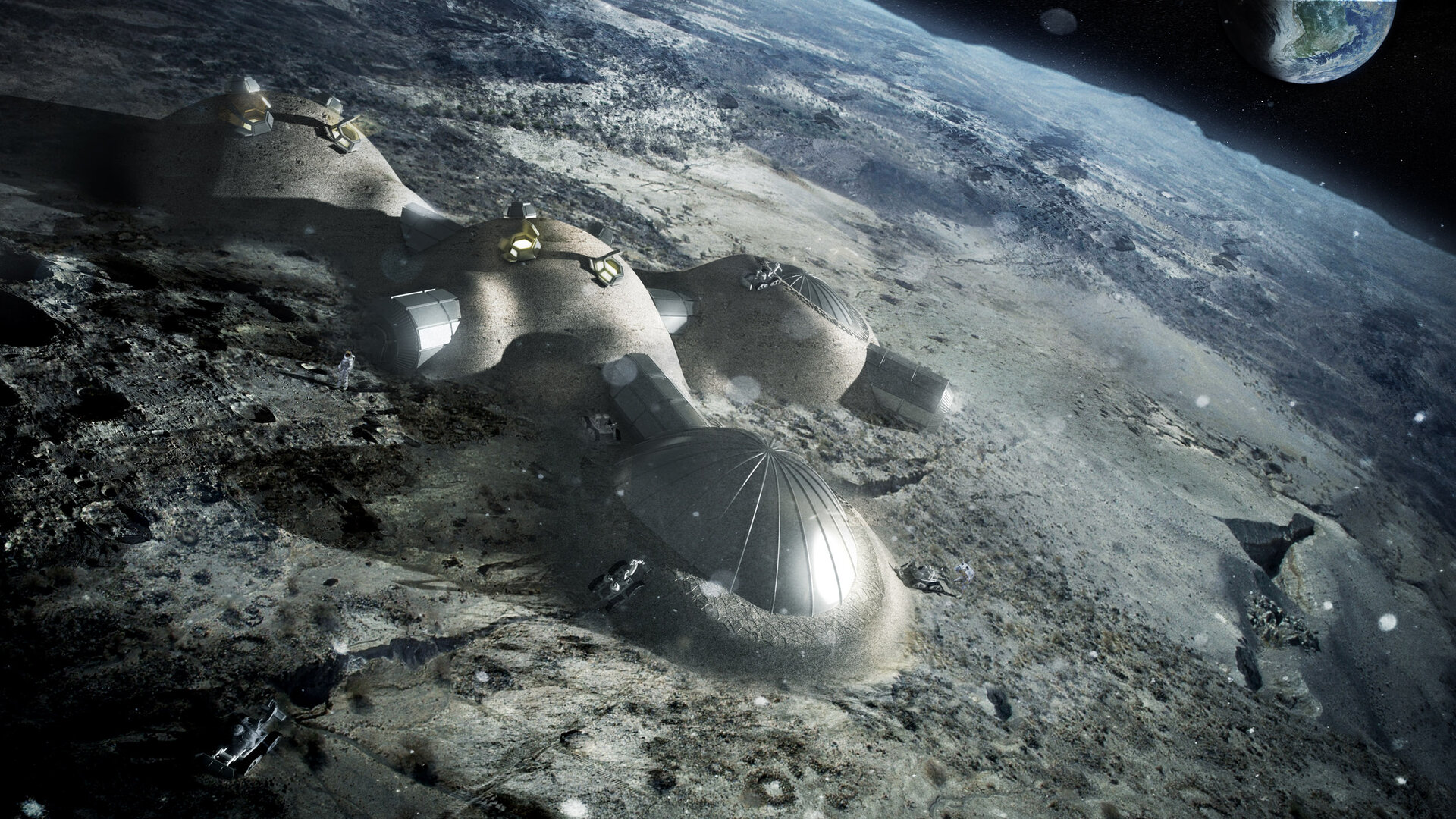
All extracted materials must be processed into finished products as much as possible before transportation, since transporting ore from the Moon makes no sense. And even these technological tricks will not greatly help make lunar mining profitable for Earthlings.
But everything changes dramatically when viewed through the eyes of someone who lives on the Moon. In general, it is an extremely expensive undertaking because, at the beginning, absolutely everything has to be transported from Earth. And every kilogram of cargo, after overcoming Earth’s gravity and the distance to our natural satellite, becomes literally worth its weight in gold, regardless of what material it is.
Much of what is mined on the Moon can be used on-site or in space. Electronics that require rare earth elements are well-suited for creating robots and electronic systems. Potassium and phosphorus are necessary for growing plants, while uranium and thorium are needed for reactors that will provide settlements with energy. But the most valuable resources are likely to be metals: aluminum, iron, magnesium, and titanium. These are used to make the strongest alloys, particularly for spacecraft.
This is one of the biggest problems facing modern space exploration. Exploring the Solar System requires the creation of ever-larger spacecraft, but how can these tons of steel structures be delivered into orbit? Would it not be easier, instead of fighting Earth’s gravity, to move as much production as possible to a place where gravity is six times weaker?
Using minerals for the needs of settlements on the Moon makes resource extraction much more cost-effective. Even what is currently considered mining waste can actually be a valuable resource. After all, the more we engage in economic activity on the Moon, the more we need space for it. And building materials are too expensive to transport from Earth. So, in fact, even “just rocks” are a valuable resource if used correctly.
The Moon is a real treasure trove of resources. We just need to figure out not only how to extract them properly, but also where best to use them. Then this industry will truly become the locomotive that will pull humanity into space.
This article was published in issue No. 2 (191) of Universe Space Tech magazine in 2024. You can purchase this issue in print or electronic format from our store.

