

Astronomers have compiled the most detailed map of the large-scale structure of the Universe. It encompasses 164,000 galaxies and extends 13.7 billion years back into cosmic history. This achievement has made possible things once beyond the reach of even the most powerful telescopes.
What is the cosmic web?
The Universe is not chaotic. Galaxies are not scattered randomly, but are clustered along giant filaments of dark matter and gas that form a vast network. Between them lie nearly empty spaces—voids.
Together, they form a structure called the cosmic web, which determines where galaxies form and how they evolve over billions of years.
James Webb’s greatest research
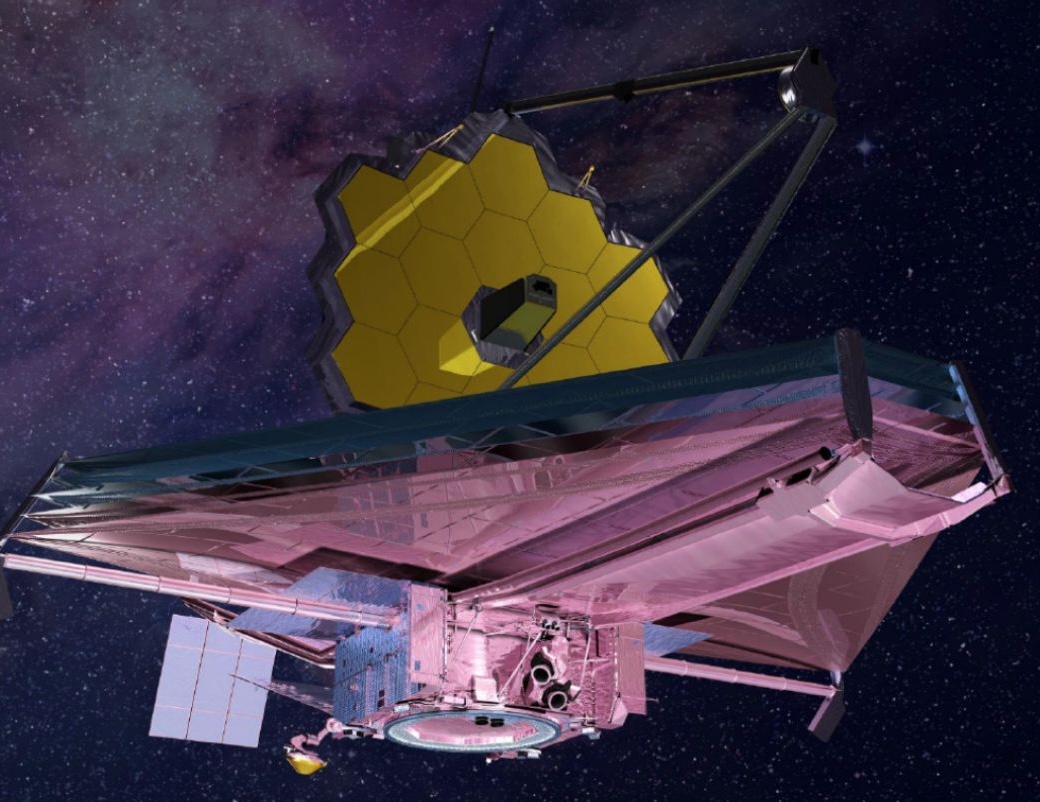
The research team was led by scientists from the University of California, Riverside. They used data from COSMOS-Web, the most extensive survey conducted by the James Webb Space Telescope to date. This program covered an area of the sky roughly three full Moons wide and detected galaxies dating back to a time when the universe was only about a billion years old.
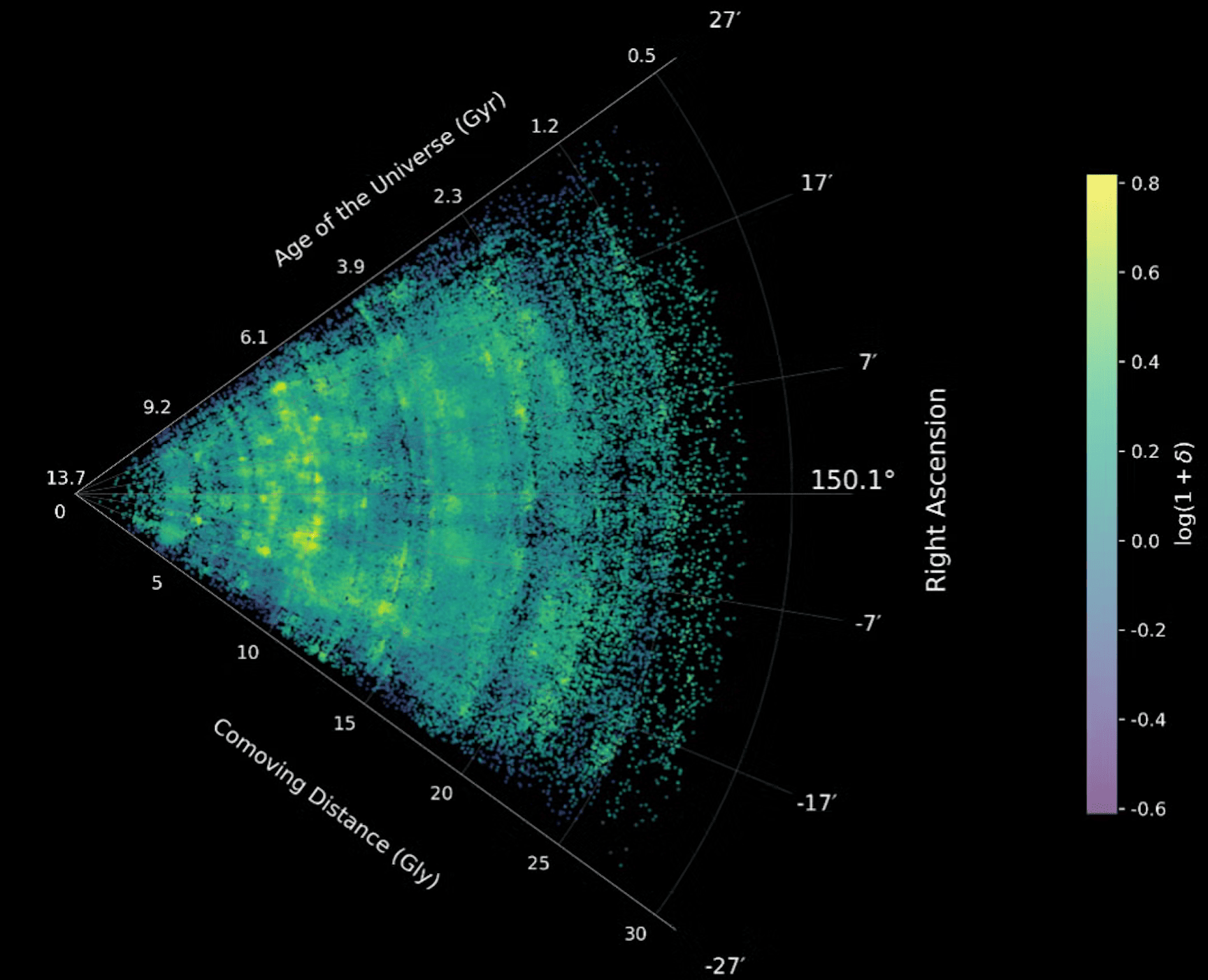
The telescope’s infrared instruments made it possible to detect faint galaxies that were invisible to older observatories and to determine the distances to each of them more accurately. This allowed the galaxies to be placed in their correct cosmic time periods.
More details from Hubble
The researchers compared the new data with archived observations from the Hubble Space Telescope. It turned out that Hubble had merged separate structures into a single image.
Bahram Mobasher, a distinguished professor of physics and astronomy at the university, noted that previously “blurred” details now appear clear. “What used to look like a single structure is now breaking down into many separate ones,” he explained.
Data available to everyone
The team has made the map, the galaxy catalog, and the relevant tools available to the public. Scientists around the world can download the data and continue their research independently.
The package also included a video showing how the cosmic web has formed and evolved over billions of years.
According to interestingengineering.com

