

The Japan Aerospace Exploration Agency (JAXA) has requested funding to participate in the ESA’s Ramses mission, which is currently under development. Its target will be the asteroid Apophis.
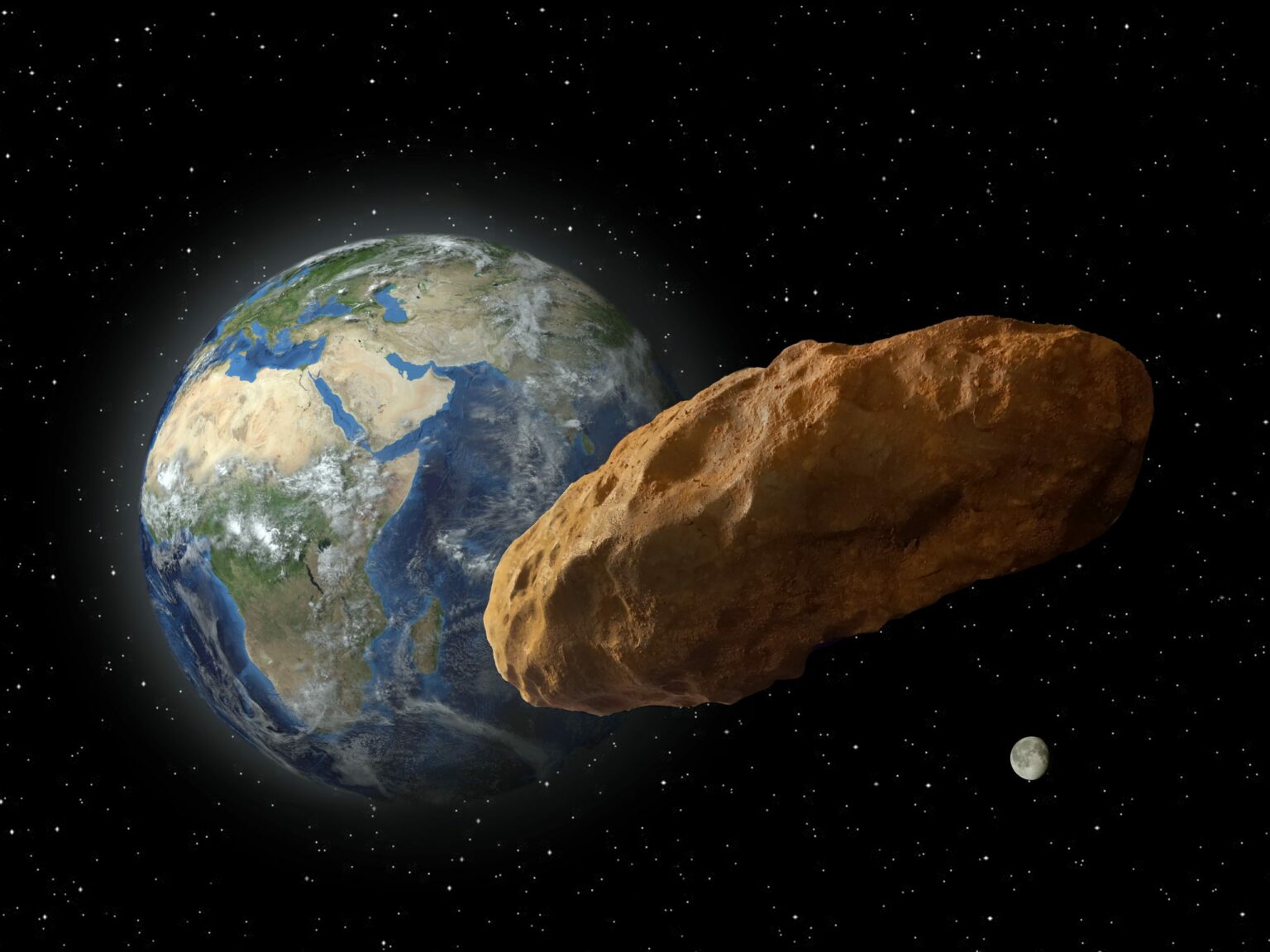
The 375-meter asteroid Apophis was discovered in 2004 and was considered the most dangerous space object in history at that time. Subsequently, astronomers ruled out the possibility of it colliding with Earth. Nevertheless, the asteroid still attracts enormous interest. The fact is that on April 13, 2029, Apophis will fly past Earth at a distance of 32,000 km. This is closer than the orbits of geostationary satellites, making the upcoming rendezvous an extremely rare event. It is believed that objects the size of Apophis approach Earth at such a close distance on average only once every 5–10 thousand years.
According to astronomers, landslides and ejections of material may occur on Apophis during its rendezvous with Earth. Therefore, ground-based telescopes will closely monitor the asteroid’s visit. However, the best data will still come from space probes.
In 2024, ESA announced the start of development of the Ramses mission, which is expected to reach Apophis several months before its rendezvous with Earth. In order to speed up construction and minimize costs, the architecture of the spacecraft was based on the recently launched European Hera mission, which is targeting the binary asteroid Didymos. Ramses will not be traveling alone. Two cubesats will be placed on board to assist in the study of the asteroid.
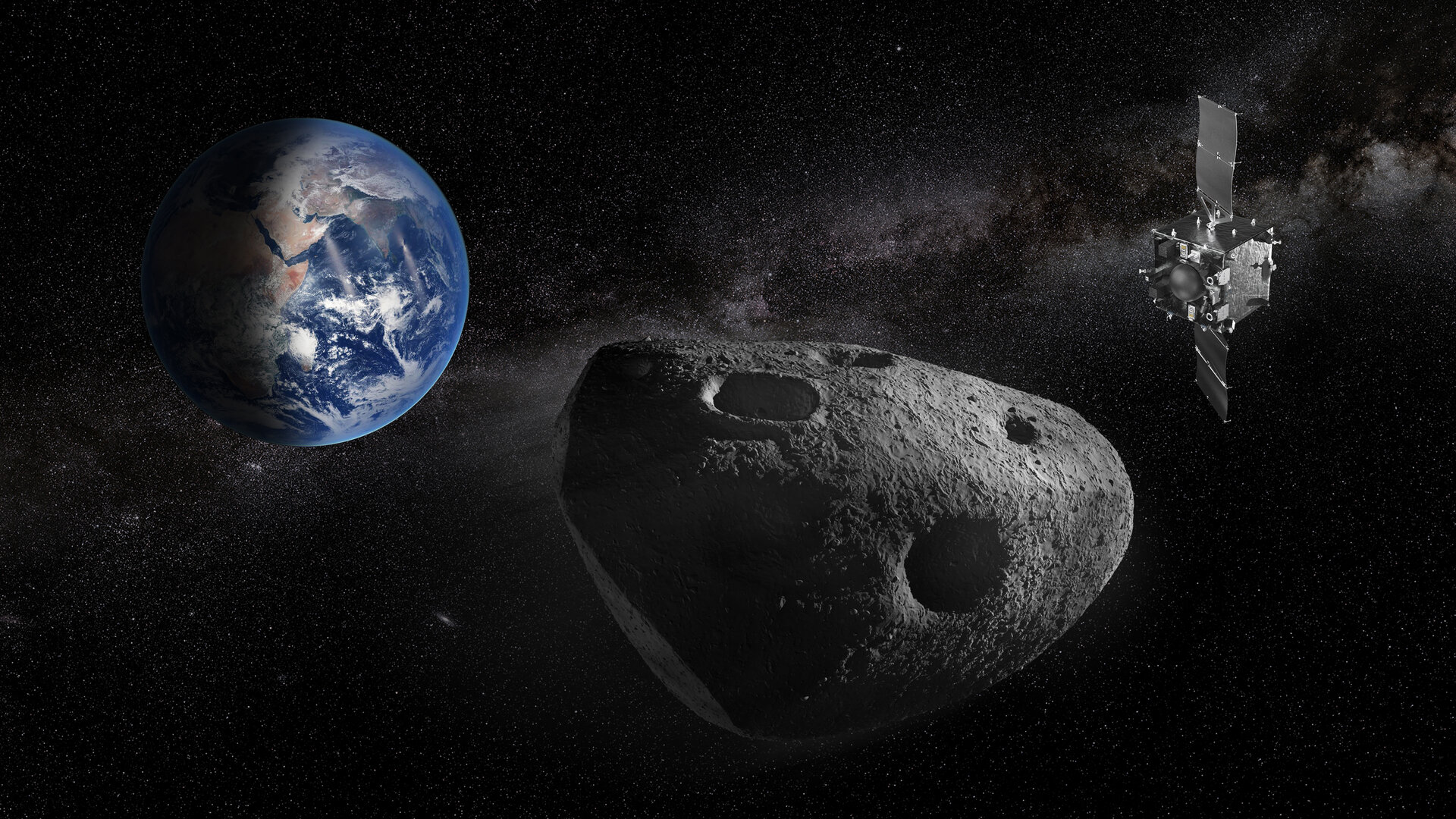
It is curious that although ESA is already actively working on the creation of the spacecraft, the mission has not yet received final approval. The decision will be made at ESA’s Ministerial Council in November 2025. However, it will almost certainly be positive — especially given the recent announcement that JAXA is joining the project.
JAXA is already a participant in the Hera mission and has been in talks with ESA in recent months regarding participation in Ramses. The organization recently submitted an official request for funding to the Japanese government, in parallel with the ESA’s request at the upcoming Ministerial Council.
JAXA’s contribution to the Ramses mission will include providing solar panels and an infrared camera for the spacecraft, as well as the H3 launch vehicle that will send the spacecraft into space. In order to reach Apophis on time, Ramses has to be launched in 2028.
According to ESA

