

Satellite tug passes tests on the ISS. American startup Kall Morris Inc. (KMI) has successfully completed an eight-month mission with its bio-inspired manipulator REACCH (Responsive Engaging Arms for Captive Care and Handling) on the International Space Station. Four mechanical tentacles, imitating the microstructures of gecko feet and the flexibility of octopus tentacles, performed 172 cycles of capturing objects of various shapes and returned to Earth in the SpaceX Dragon CRS-32 capsule on May 25, 2025.
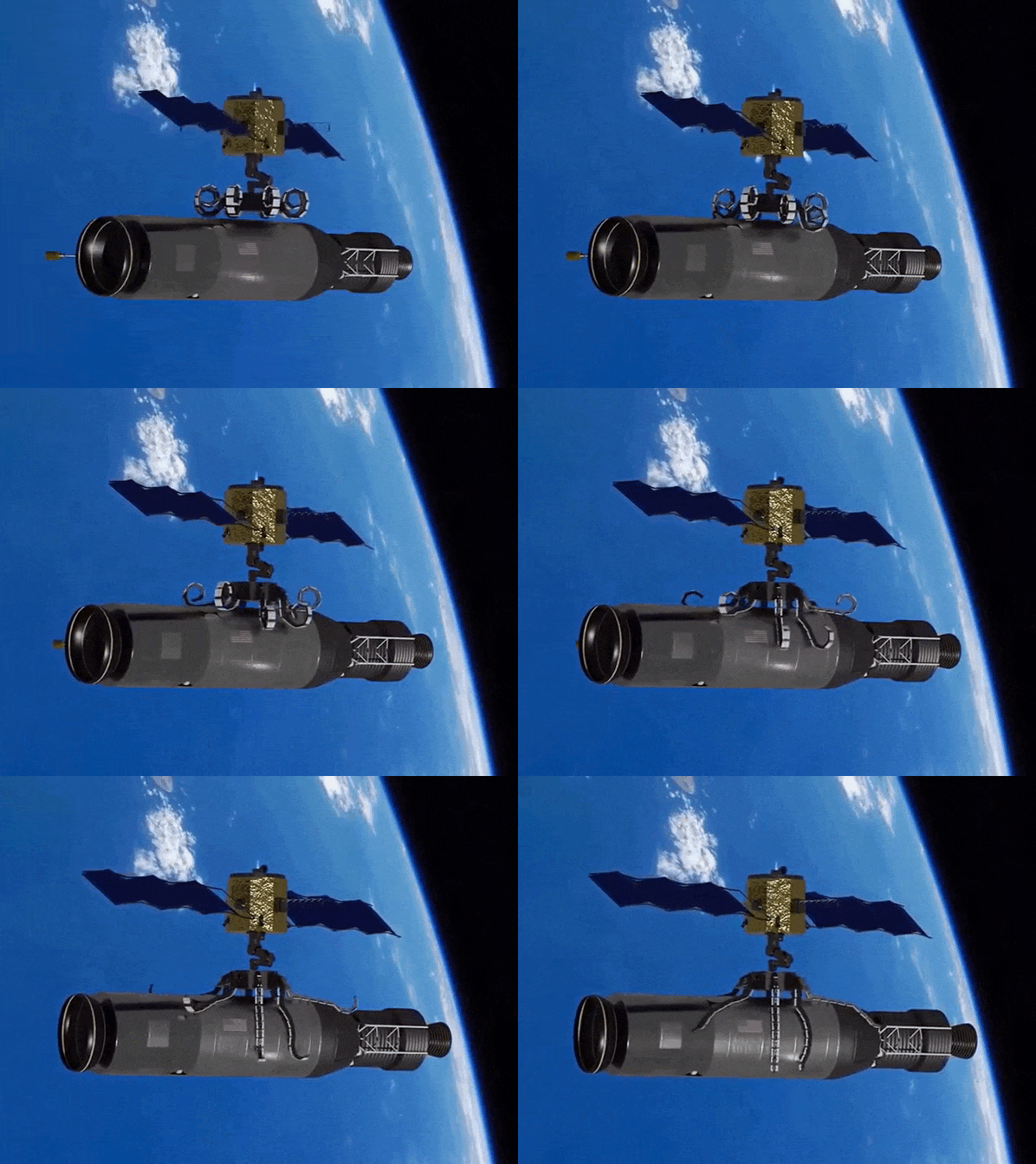
The technology allows capturing both small satellite components with a diameter similar to a basketball (~25 cm) and bulky structures up to 6.5 m, even if they do not have docking nodes. According to co-founder and CEO Troy Morris, REACCH is a “space tug” capable of aligning orbits, performing repairs, or removing debris from dangerous routes.
Partnership programs with the US Space Force and Air Force are funding the project’s expansion: by 2027, KMI plans to launch a full-scale version with eight arms, and a commercial demonstration flight is scheduled for 2028. The company is convinced that REACCH will open up the Relocation-as-a-Service market — operational services for moving and servicing equipment in orbit.
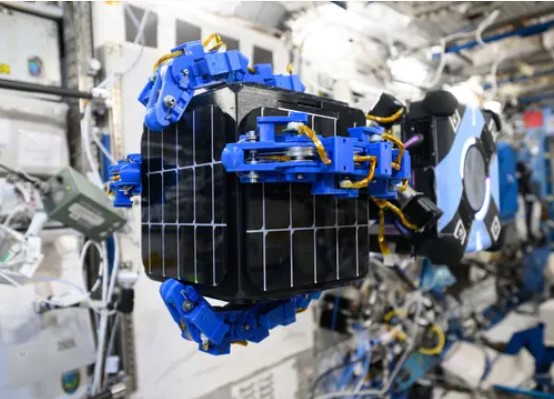
Cleaning debris from orbits and the ability to adjust the trajectories of working spacecraft reduce the risk of collisions that could damage telescopes and scientific missions. In addition, servicing extends the life of orbital observatories, saving millions of dollars and ensuring a steady stream of data for astronomical research.
If you are interested in the topic of space debris and techniques for cleaning it up, be sure to read our article “Orbital cleaning: modern technologies against debris in space” — there you will find a comparison of the most promising methods (from nets and harpoons to laser pushers), learn about already planned cleanup missions, and see how such solutions can protect scientific instruments and commercial satellites from catastrophic collisions. Don’t miss this chance to dive deeper into the issue and discover the technologies that are already shaping a safer space future today!
According to interestingengineering; msn; uppermichiganssource

