

On October 13, SpaceX launched its Falcon 9 rocket. This mission was the third and final one under its contract with Amazon.
Deal of the century
In 2020, the US Federal Communications Commission (FCC) granted Amazon a license to create the Kuiper constellation, designed to provide high-speed satellite internet services. Initially, the system will consist of 3,236 satellites operating in 98 orbital planes at altitudes of 590, 610, and 630 km. Under the terms of the permission, the first half of the vehicles are scheduled to be launched into space by July 2026, and the second half by July 2029.
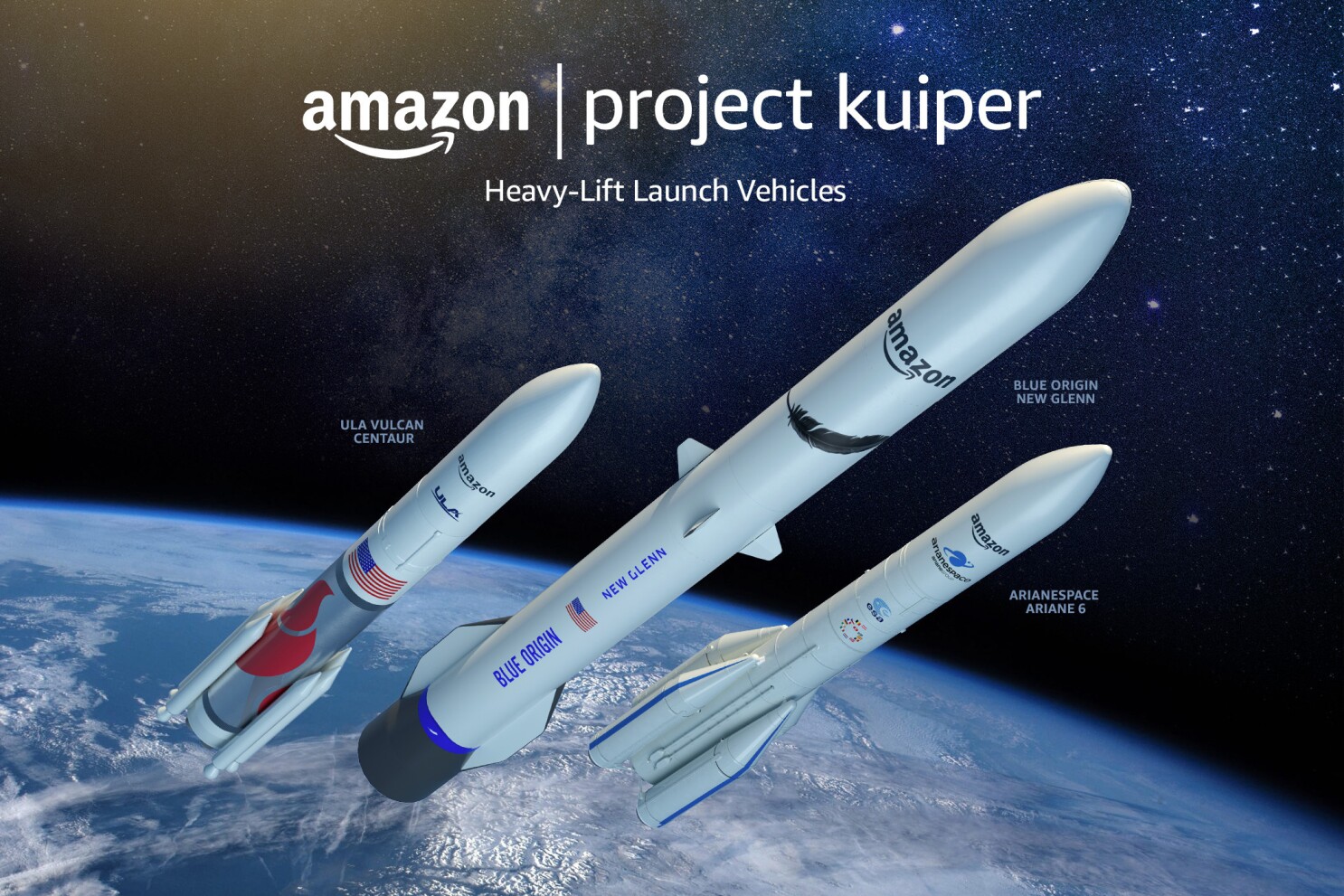
To ensure this condition is met, Amazon concluded a “deal of the century” in 2022, signing the largest commercial launch contract in history with ULA, Blue Origin, and Arianspace. They received an order to launch 83 rockets.
Under the terms of the contract, excluding the Atlas V rocket, whose production has already been discontinued, the main burden of deploying the Kuiper system was to fall on three new launch vehicles that were still under development at that time: Vulcan, New Glenn, and Ariane 6.
Assistance from competitors
Unfortunately, Amazon clearly overestimated its ability to quickly bring new rockets into service. As of the end of 2025, they ‘ve only made seven flights in total, and none of them carried Kuiper satellites as payload.
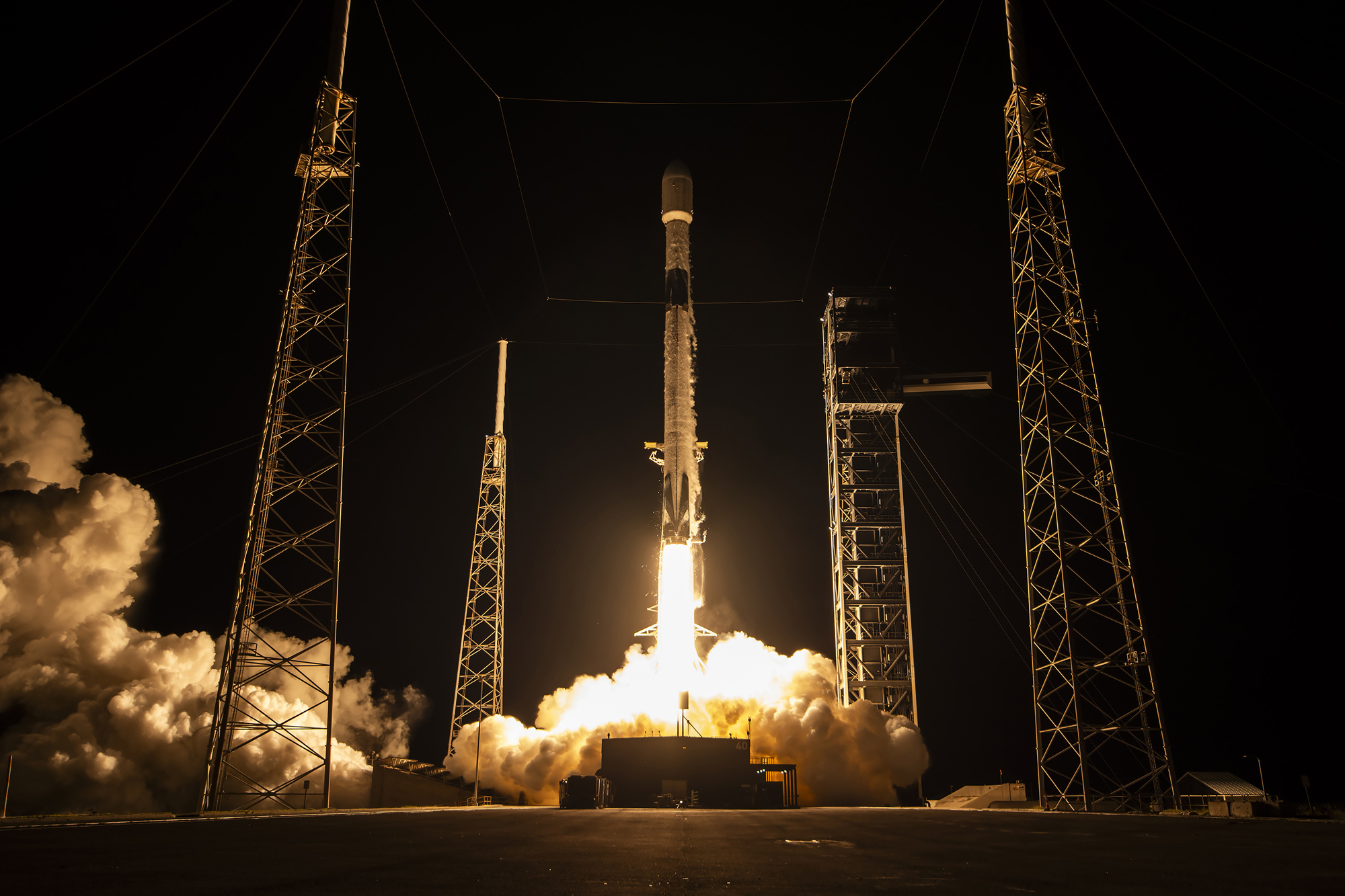
Because of all this, Amazon had to take the necessary step and turn to SpaceX, whose Starlink system is a direct competitor to Kuiper. They did not refuse. Amazon signed a contract for three Kuiper launches using the Falcon 9 rocket. The first one took place on July 16, the second on August 11, and the third on October 14, 2025. All missions were successful. Over the course of them, SpaceX launched 72 Kuiper satellites into orbit. Another 81 spacecraft were launched into orbit by Atlas V rockets. Thus, the total number of Kuiper spacecraft currently in orbit is 153.
It is easy to calculate that 153 vehicles represent less than 10% of the number of satellites that are to be deployed by July 2026. Amazon still has five Atlas V rockets in reserve. Together, they are capable of launching 135 spacecraft, which is clearly insufficient to meet the requirements of the existing license. The FCC is likely to amend it, as Amazon has demonstrated its ability to safely maintain the operation of the satellite constellation.
At the same time, it is clear that Vulcan, New Glenn, and Ariane 6 are unlikely to fly more frequently than they do now in the near future. This means that Kuiper’s deployment will continue to fall behind schedule. Therefore, it is possible that Amazon will have to use SpaceX’s services again in the future.

