

The launch of the private Chinese rocket Ceres-1 on November 9 ended in failure. It failed to deliver its payload into orbit.
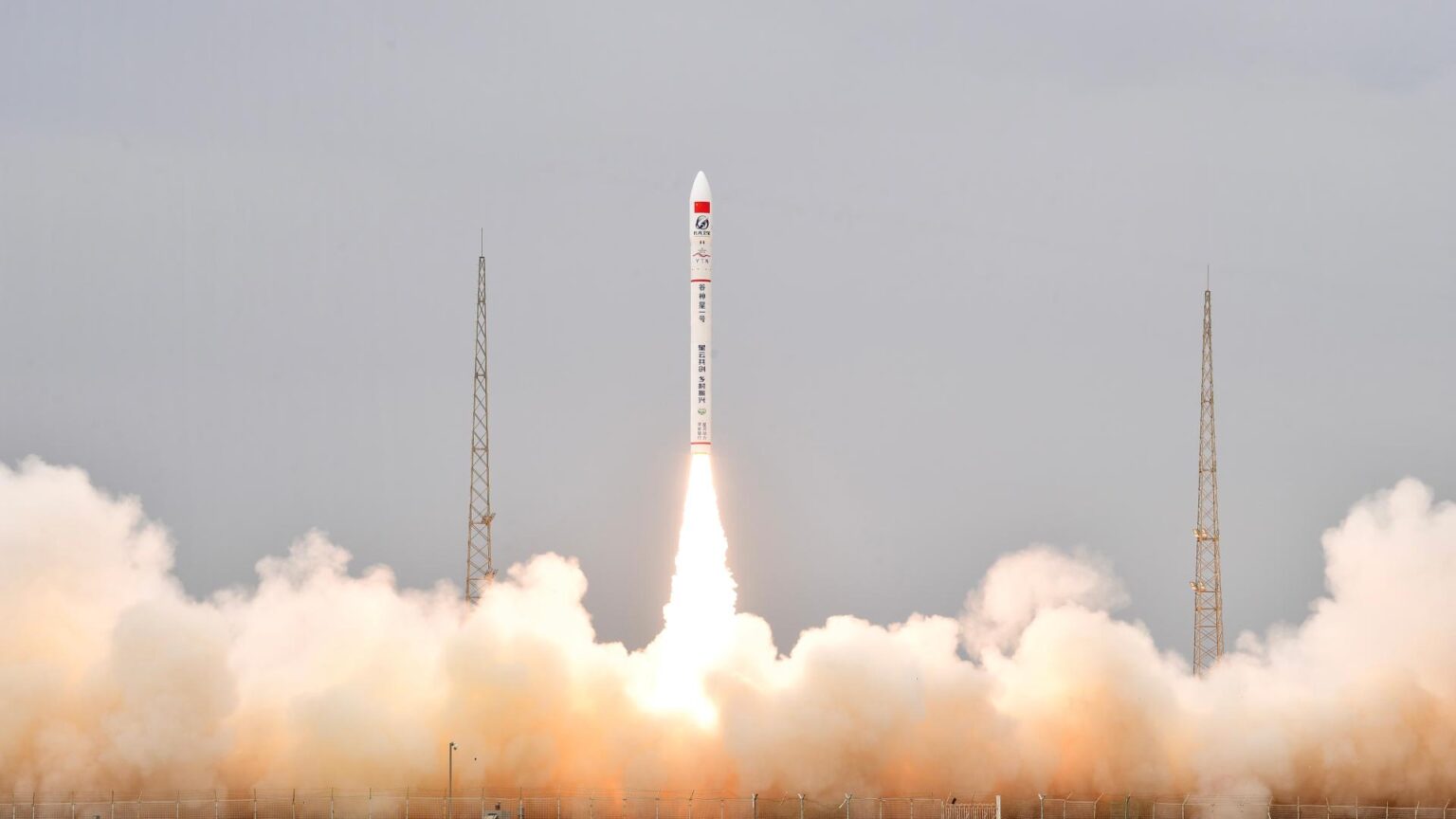
The Ceres-1 rocket was built by Galactic Energy. It has a four-stage design. The first three stages are solid fuel, and the fourth is liquid fuel. It is capable of delivering up to 400 kg of cargo to low Earth orbit and up to 300 kg to a 500-kilometer sun-synchronous orbit.
Ceres-1 has been in operation since 2020. The first nine launches were successful, while the tenth ended in failure. After conducting an investigation, Galactic Energy resumed operation of Ceres-1 and recorded another 11 successful missions.
However, this successful streak has now been interrupted once again. The 22nd launch of Ceres-1, which took place on November 9, ended in failure once again. The first three stages of the rocket performed normally. However, during the fourth stage, the engine shut down prematurely. As a result, the rocket was unable to reach the first cosmic velocity and fell into the ocean.
The Ceres-1 accident resulted in the loss of three satellites: a pair of Jilin-1 Earth remote sensing system devices and a satellite built by Zhongbei University. Galactic Energy has already apologized for the incident and promised to conduct a thorough investigation.
Like many other aerospace companies, Galactic Energy is working on developing more powerful launch vehicles. One of these will be a modification of the current rocket, capable of carrying up to 1,600 kg of cargo into space. A more ambitious project is Pallas-1: a launch vehicle with a reusable first stage. Galactic Energy had previously promised to carry out its first launch by the end of 2025, but it appears that it will not take place until next year at the earliest.
Earlier, we reported on the failure of another private Chinese rocket, which also didn’t succeed in reaching orbit.
According to globaltimes.cn

