

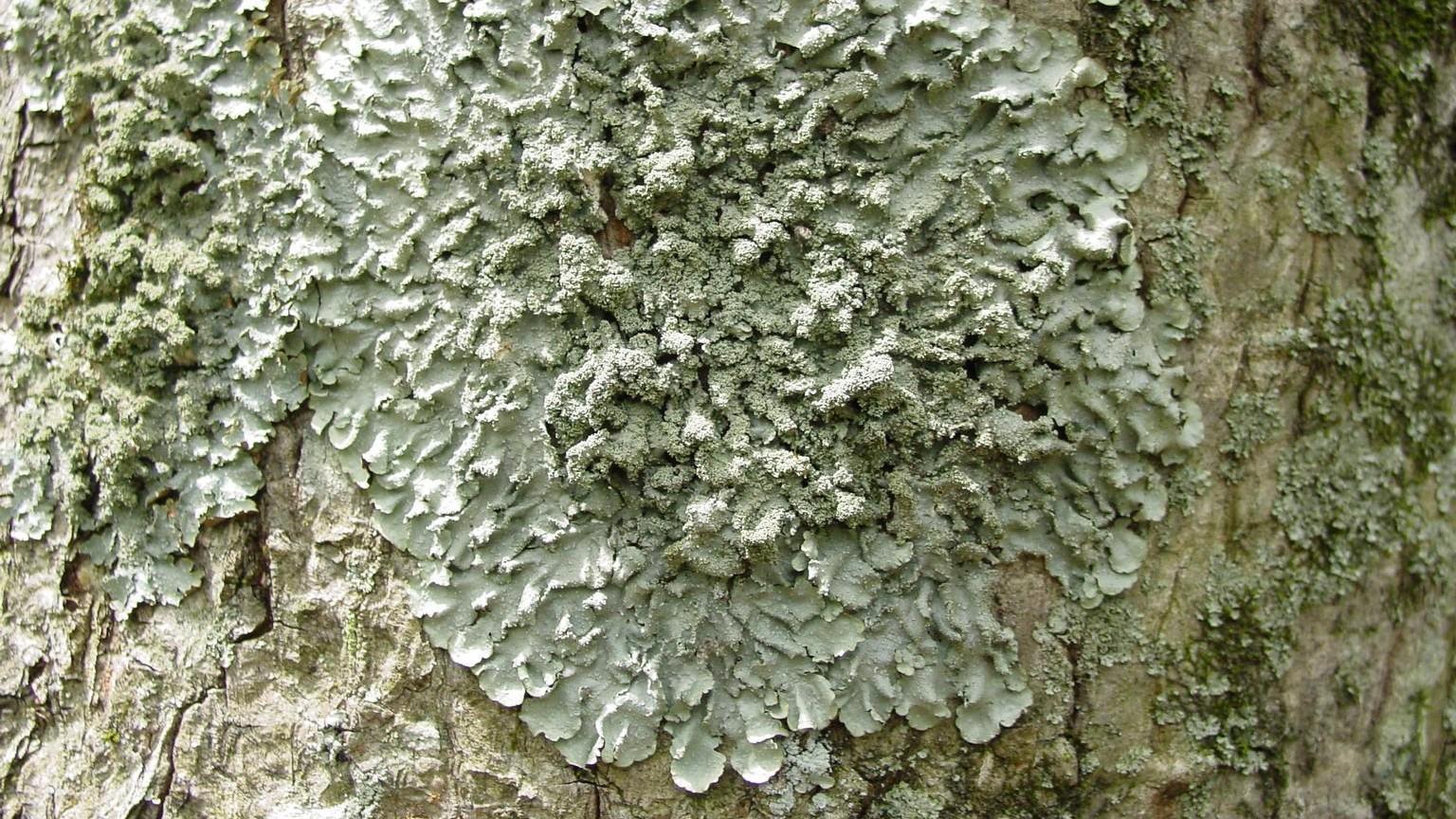
Lichens are symbiotic living systems composed of fungi and algae or cyanobacteria. Recently, scientists have proposed using them as a binding agent to create materials that can be used to build structures on Mars.
Lichens on Mars
Scientists continue to ponder how to construct buildings on Mars. After all, transporting materials there is too expensive, and producing them on site is quite difficult. However, a group of researchers from the University of Texas recently proposed using lichens for this purpose.
Lichens appear primitive, but are actually a symbiotic system that can grow rapidly in unfavorable conditions, utilizing the strengths of both species that comprise it.
It is already known that lichens are strong enough to survive in the harsh Martian environment. However, their common species still require human involvement for effective reproduction. That is why scientists have created artificial lichen, which consists of filamentous fungi and cyanobacteria — together, they are capable of growing on Mars without any human intervention.
Fungi need oxygen and cannot obtain energy from the Sun, but they survive well in the harsh Martian environment. Cyanobacteria can convert carbon dioxide into oxygen and energy, but they cannot withstand Martian conditions. So why not create such conditions inside the mass of fungus, which microorganisms will feed with energy?
Lichens instead of cement
However, simply leaving lichens on Mars is not enough, because they cannot build a house on their own. However, they can be used instead of cement mortar to bind particles of Martian soil.
And this mixture of lichen and sand, which is essentially a type of concrete, can be used in 3D printers, which will then create houses based on a specific design. In fact, the authors of the study are currently working on turning synthetic lichens into a material for printing.
According to phys.org

